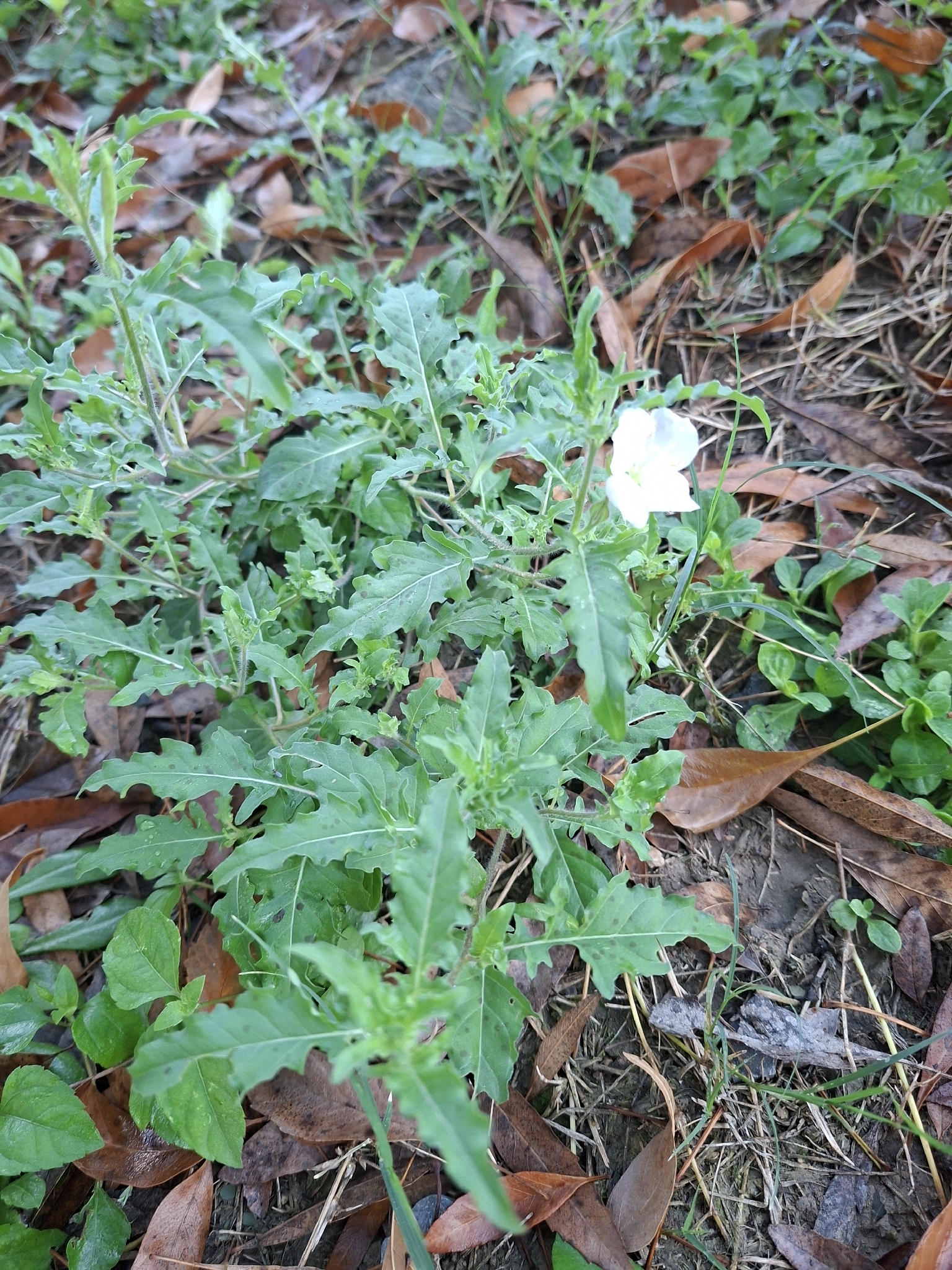
Pink evening primrose (Oenothera tetraptera)
Care, watering, light and tips for Pink evening primrose on Floravia.
Quick facts
- Family: Onagraceae
- Difficulty: Easy to care for
- Watering: every 7 days
- Light: Partial shade
- Temperature: 10–30 °C
About Pink evening primrose
Oenothera tetraptera, also known as Fourwing Evening Primrose, is a low-growing perennial or annual herbaceous plant native to South America. It is distinguished by its delicate white flowers that open at dusk and turn pink as they fade, creating an ephemeral and charming display. It is ideal for borders, rock gardens, or as ground cover in sunny garden spots.
Native range
Mexico and the southern United States
Care tips
It requires full sun for abundant flowering and well-drained soil, preferably sandy or slightly poor, as it does not tolerate waterlogging. Watering should be moderate, allowing the substrate to dry out between waterings, especially in warm climates. Avoid over-fertilization, as this can promote foliage growth at the expense of flowers. It's important to note that it can self-seed vigorously, so controlling its spread is recommended if you don't want it to colonize other areas.
How to save a dying Pink evening primrose
- Warning signs
- Yellowish or reddish leaves, weak and limp stems, lack of flowering or wilting flowers.
- First aid
- Check drainage and watering frequency. Repot if in a small pot or compacted soil. Ensure full sun.
- What kills it
- Overwatering (root rot) or constant shade (no blooms, weakens). Needs sun and good drainage.
- Can it be saved?
- Yes, it's hardy. Act quickly by correcting watering and sun exposure. It can recover if roots aren't too damaged.