Floating primrose-willow (Ludwigia peploides)
Care, watering, light and tips for Floating primrose-willow on Floravia.
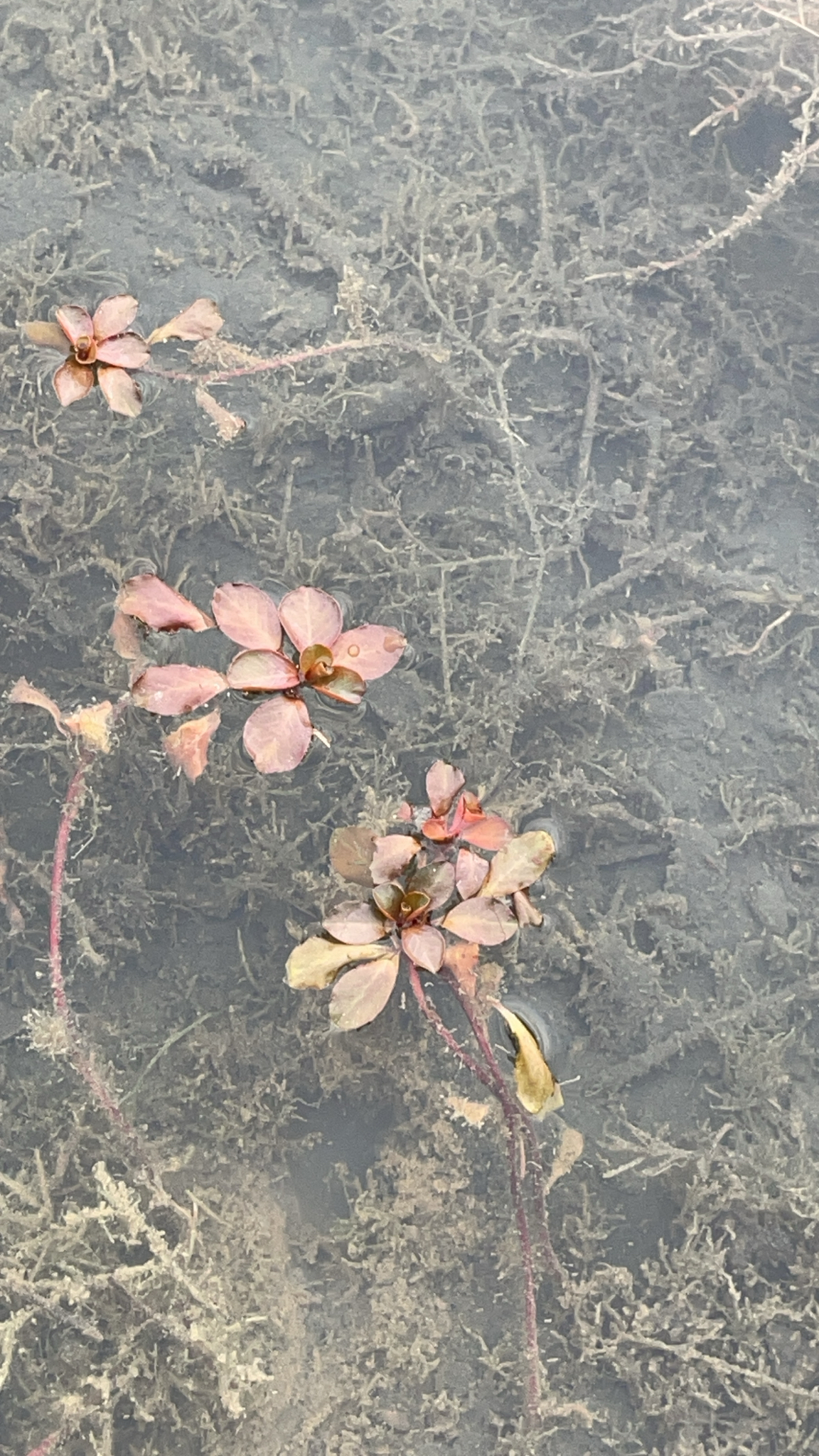
Quick facts
- Family: Onagraceae
- Difficulty: Demanding
- Watering: every 7 days
- Light: Partial shade
- Temperature: 10–30 °C
- Toxicity: Toxic to pets
About Floating primrose-willow
Ludwigia peploides, also known as creeping water primrose or floating primrose-willow, is a fast-growing aquatic or semi-aquatic plant that forms dense floating mats or roots in mud. Its reddish stems and bright green leaves, often with a reddish tinge, feature small, five-petaled yellow flowers. It is ideal for ponds, wetlands, or water body margins, where its vibrant foliage and flowers brighten the aquatic landscape.
Native range
North and South America
Care tips
It requires full sun exposure for optimal growth and abundant flowering. Keep the substrate consistently moist or submerged, as it is an aquatic plant; it tolerates both stagnant and slow-moving waters. It prefers nutrient-rich soils, although it is very adaptable to different substrate types. Avoid releasing it into natural environments outside its native range, as it can become a highly aggressive invasive species.
How to save a dying Floating primrose-willow
- Warning signs
- Yellowish/blackened leaves, soft/rotting stems, stunted growth, or general wilting.
- First aid
- Remove from water, inspect roots. Prune rotten stems and roots. Replant in fresh, clean water.
- What kills it
- Excessive water nutrients, lack of direct sunlight, or prolonged stagnation causing rot.
- Can it be saved?
- Yes, if you act quickly. Needs clean aquatic environment, good light, and pruning of damaged parts to regrow.