Chaste tree (Vitex agnus-castus)
Care, watering, light and tips for Chaste tree on Floravia.
Quick facts
- Family: Lamiaceae
- Difficulty: Easy to care for
- Watering: every 7 days
- Light: Full sun
- Temperature: 5–35 °C
- Toxicity: Toxic to pets
About Chaste tree
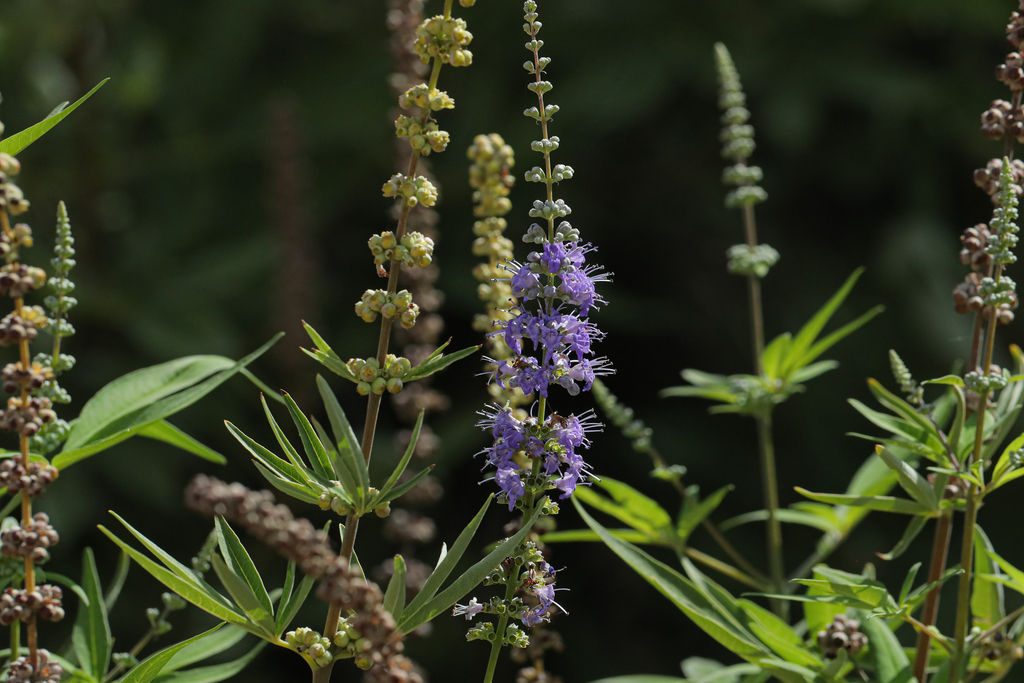
Vitex agnus-castus, commonly known as Chaste Tree, is a deciduous shrub from the Lamiaceae family, prized for its lavender-like spikes of violet or blue flowers and aromatic foliage. Its palmate leaves and graceful habit make it ideal for hedges, borders, or as a specimen plant in Mediterranean-style gardens. It blooms profusely from late summer into autumn, attracting pollinators.
Native range
Mediterranean region and Western Asia
Care tips
It requires full sun for optimal flowering and well-drained soil, though it tolerates a wide range of poor soils. Watering should be regular during its establishment, but once mature, it is quite drought-tolerant. Prune in early spring to encourage abundant flowering and maintain an attractive shape. Avoid overwatering in heavy soils, as it can lead to root rot.
How to save a dying Chaste tree
- Warning signs
- Yellowish or whitish leaves, leaf drop, dry or brittle branches, lack of flowering or wilted flowers.
- First aid
- Check drainage, prune dead branches and remove affected leaves. Ensure full sun and moderate watering.
- What kills it
- Overwatering that rots roots or lack of direct sunlight. Also, heavy clay soils that retain too much moisture.
- Can it be saved?
- Yes, it often recovers if conditions are corrected promptly. It's a tough plant once established.