Black horehound (Ballota nigra)
Care, watering, light and tips for Black horehound on Floravia.
Quick facts
- Family: Lamiaceae
- Difficulty: Easy to care for
- Watering: every 7 days
- Light: Full sun
- Temperature: 5–35 °C
- Toxicity: Toxic to pets
About Black horehound
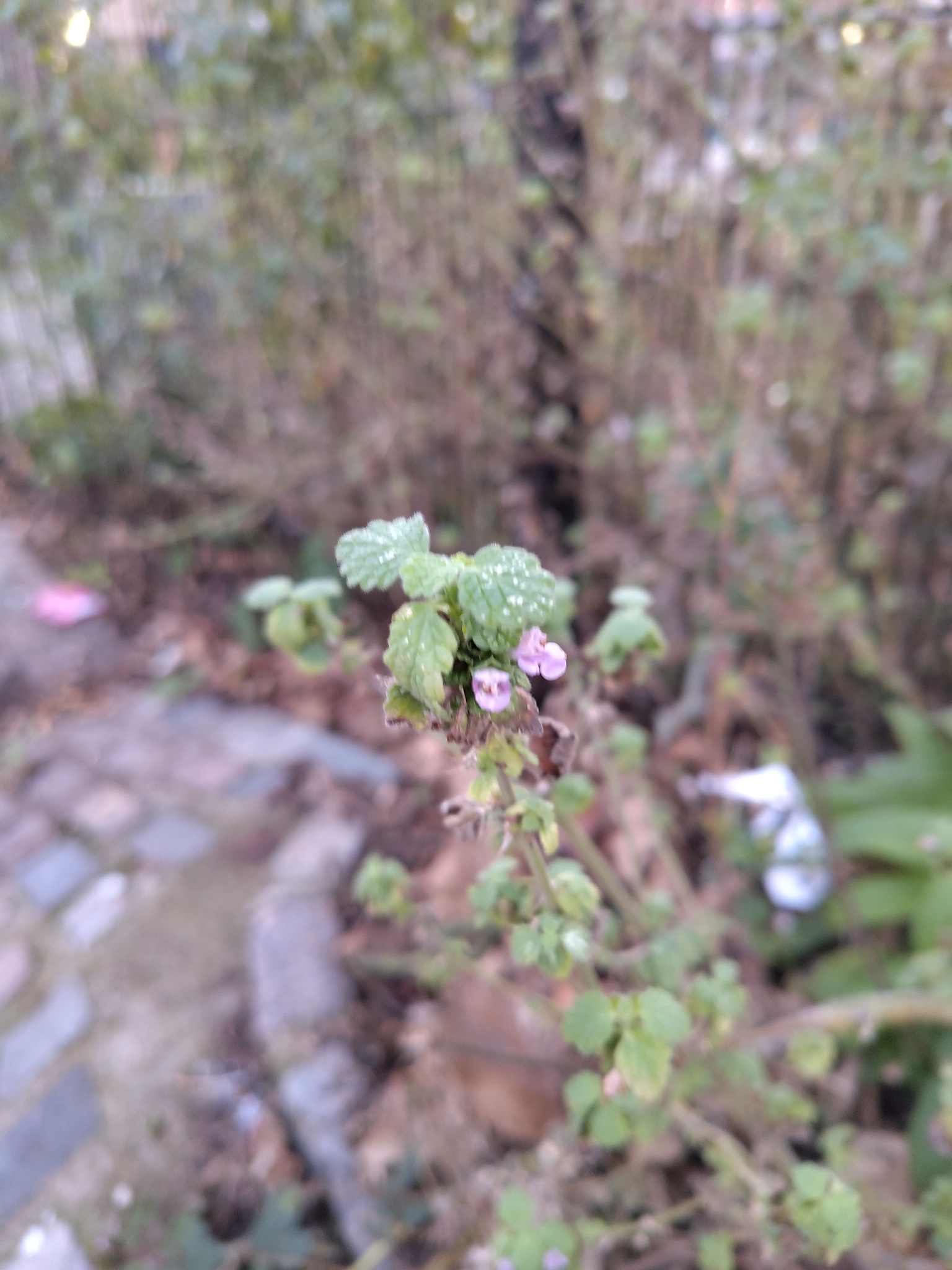
Ballota nigra, commonly known as Black Horehound, is a herbaceous perennial plant belonging to the Lamiaceae family, characterized by square stems and oval, slightly wrinkled, dark green leaves. Its purple flowers, arranged in whorls, appear in summer. This resilient plant is well-suited for naturalistic gardens, roadside plantings, or low-maintenance areas, adding a rustic touch.
Native range
Europe, temperate Asia, and North Africa
Care tips
Ballota nigra thrives in full sun to partial shade and tolerates a wide range of soils, though it prefers well-drained and not overly rich ones. It is very drought-tolerant once established, so watering should be moderate, allowing the soil to dry out between waterings. Avoid waterlogging, as it is susceptible to root rot in excessively wet conditions. It doesn't require regular pruning, but can be trimmed to maintain a compact shape or remove spent flowers.
How to save a dying Black horehound
- Warning signs
- Wilting, yellowing or browning leaves that drop; soft or blackened stems. A foul odor may be present.
- First aid
- Check drainage and soil moisture. If waterlogged, remove plant, trim damaged roots, and repot in dry, well-draining substrate. If dry, water moderately.
- What kills it
- Overwatering is the main enemy of black horehound, causing root rot. Poor drainage or overly compact soil also contribute.
- Can it be saved?
- Yes, if you act quickly at the first signs of rot or wilting due to overwatering. Ballota nigra is a resilient plant.