Woodland sage (Salvia nemorosa)
Care, watering, light and tips for Woodland sage on Floravia.
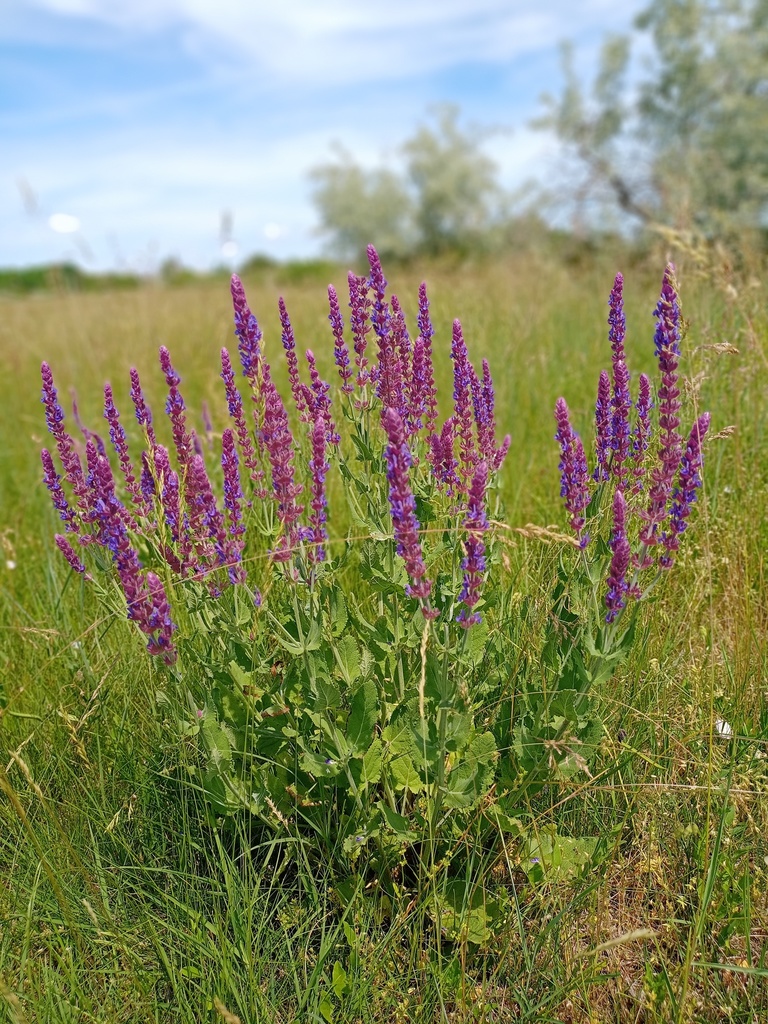
Quick facts
- Family: Lamiaceae
- Difficulty: Easy to care for
- Watering: every 7 days
- Light: Full sun
- Temperature: 5–35 °C
About Woodland sage
Salvia nemorosa, commonly known as woodland sage or steppe sage, is a perennial herbaceous plant from the Lamiaceae family, valued for its dense, colorful flower spikes, ranging from deep blue to purple, and its aromatic foliage. It blooms profusely from late spring well into summer, attracting pollinators. It is ideal for borders, rock gardens, or Mediterranean and xeriscape-style gardens, providing a vertical burst of color.
Native range
Europe and Western Asia
Care tips
It prefers full sun exposure for optimal flowering, although it tolerates partial shade in very hot climates. It requires well-drained soil, preferably sandy or sandy-loam, and is quite drought-tolerant once established, so watering should be moderate. Avoid waterlogging, as it is susceptible to root rot. After the first flush of blooms, a light deadheading of spent flower spikes will encourage a second flowering.
How to save a dying Woodland sage
- Warning signs
- Yellowish or brown leaves, limp or soft stems, lack of flowering, or premature wilting.
- First aid
- Check drainage. If soil is waterlogged, carefully repot with fresh, light substrate. If dry, water thoroughly but not excessively.
- What kills it
- Overwatering and poor drainage are its main foes, causing root rot. Also, excessive sun without enough moisture.
- Can it be saved?
- Yes, if you act quickly. Remove affected parts, ensure good drainage, and adjust watering. With patience, it will re-sprout.