Holy basil (Ocimum tenuiflorum)
Care, watering, light and tips for Holy basil on Floravia.
Quick facts
- Family: Lamiaceae
- Difficulty: Easy to care for
- Watering: every 3 days
- Light: Full sun
- Temperature: 5–35 °C
About Holy basil
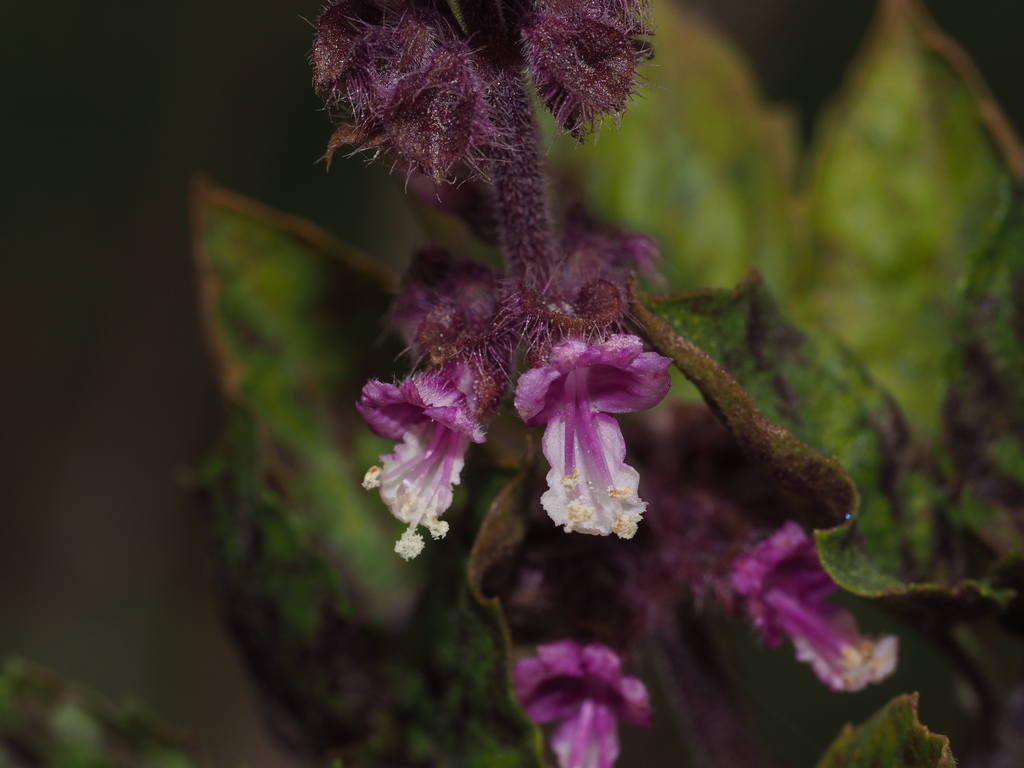
Holy Basil (Ocimum tenuiflorum), also known as Tulasi, is an aromatic perennial herb revered for its medicinal properties and distinct fragrance. Its oval-shaped leaves, ranging from green to purple, are arranged on square stems, and it produces small white or purplish flowers on spikes. It's ideal for herb gardens, pots on sunny balconies, or as part of a medicinal herb collection.
Native range
Indian subcontinent and parts of Southeast Asia
Care tips
It requires full sun (at least 6 hours daily) for optimal growth and good essential oil production. Watering should be regular, keeping the soil moist but not waterlogged, especially in warm climates. It prefers well-draining, rich organic soil. A common mistake is insufficient light, leading to leggy and less aromatic growth.
How to save a dying Holy basil
- Warning signs
- Pale or yellowing leaves, wilting, dry tips, or brown spots. Slow or no growth. Less intense aroma.
- First aid
- Check drainage and soil moisture. Repot if waterlogged or pot is too small. Place in partial shade and water sparingly.
- What kills it
- Overwatering that rots roots or complete lack of light. Also intense cold, as it's very sensitive to low temperatures.
- Can it be saved?
- Yes, if roots aren't completely rotten and there are still green stems. Act quickly to adjust watering and light.