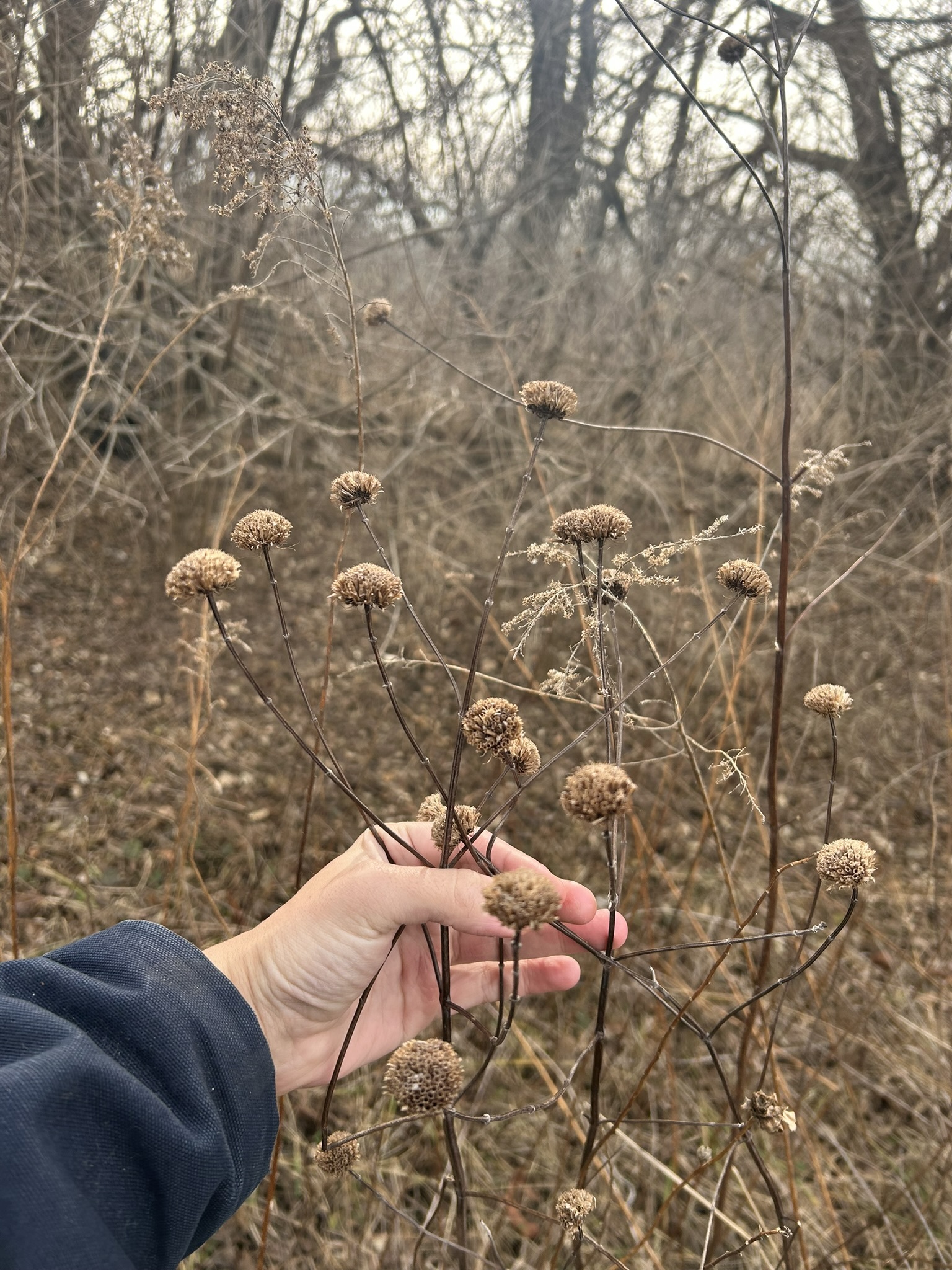
Wild bergamot (Monarda fistulosa)
Care, watering, light and tips for Wild bergamot on Floravia.
Quick facts
- Family: Lamiaceae
- Difficulty: Easy to care for
- Watering: every 7 days
- Light: Full sun
- Temperature: 5–35 °C
About Wild bergamot
Monarda fistulosa, also known as Wild Bergamot, is an aromatic perennial herb belonging to the Lamiaceae family, native to North America. It is characterized by its tubular lavender to pink-purple flowers, clustered in terminal heads that attract pollinators. It is ideal for pollinator gardens, naturalized meadows, or perennial borders, adding a wild and fragrant touch.
Native range
North America, from Canada to northern Mexico
Care tips
It prefers full sun to light partial shade and well-drained soils, although it tolerates a wide range of soil types. Watering should be regular during dry periods, but it is relatively drought-tolerant once established. A common mistake is planting it in heavy, poorly drained soils, which can lead to root rot. To encourage more abundant flowering and a compact habit, spent blooms can be deadheaded.
How to save a dying Wild bergamot
- Warning signs
- Yellowing or wilting leaves, soft or blackened stems, lack of flowering or stunted growth. Gray mold at the base.
- First aid
- Check drainage, reduce watering if soil is wet. Prune affected stems. If mold is present, improve ventilation and use fungicide.
- What kills it
- Excessive humidity and lack of air circulation, leading to root rot and powdery mildew.
- Can it be saved?
- Yes, if you act quickly. Good drainage and aeration are key to its recovery. Repot if necessary.