Gypsywort (Lycopus europaeus)
Care, watering, light and tips for Gypsywort on Floravia.
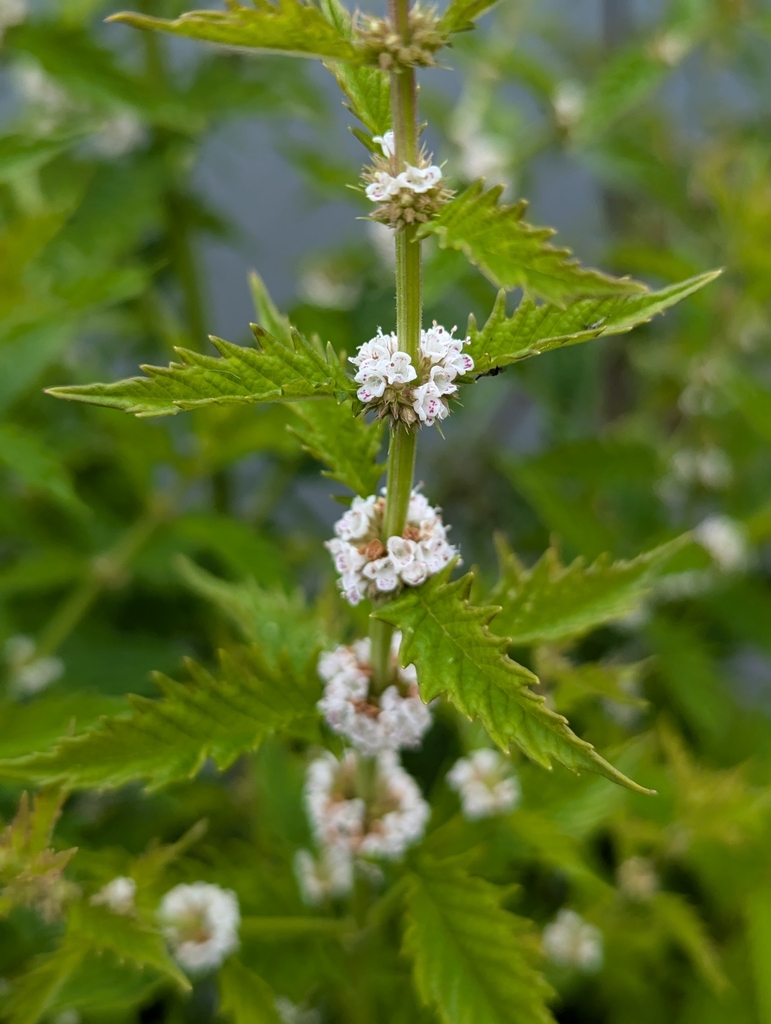
Quick facts
- Family: Lamiaceae
- Difficulty: Moderate care
- Watering: every 4 days
- Light: Full sun
- Temperature: 5–35 °C
About Gypsywort
Lycopus europaeus, also known as gipsywort or water horehound, is a perennial herbaceous plant from the Lamiaceae family, commonly found in wetlands and riverbanks. It features square stems and dark green, toothed leaves, often bearing small white or pale pink flowers in axillary whorls. It is ideal for wetland gardens, pond edges, or high-humidity garden areas where its vigorous growth can be managed.
Native range
Europe and Western Asia
Care tips
Lycopus europaeus thrives in full sun to partial shade and requires consistently moist to waterlogged soil for optimal growth. It prefers nutrient-rich, well-draining substrates, though it tolerates a wide range of soils if moisture is adequate. A common mistake is planting it in dry soils, which will severely limit its development; additionally, its invasive nature in ideal conditions requires growth control to prevent it from outcompeting other plants.
How to save a dying Gypsywort
- Warning signs
- Yellowish or brown, wilting leaves, soft stems. May indicate over/underwatering, or poor soil.
- First aid
- Check soil moisture. If dry, water; if waterlogged, aerate and drain. Amend poor soil with compost.
- What kills it
- Consistently dry or waterlogged soil. Also lack of nutrients in very depleted soils.
- Can it be saved?
- Yes, if you act quickly. It's a resilient plant. Adjust watering and nutrition, and it will recover.