Lemon balm (Melissa officinalis)
Care, watering, light and tips for Lemon balm on Floravia.
Quick facts
- Family: Lamiaceae
- Difficulty: Easy to care for
- Watering: every 3 days
- Light: Full sun
- Temperature: 5–35 °C
About Lemon balm
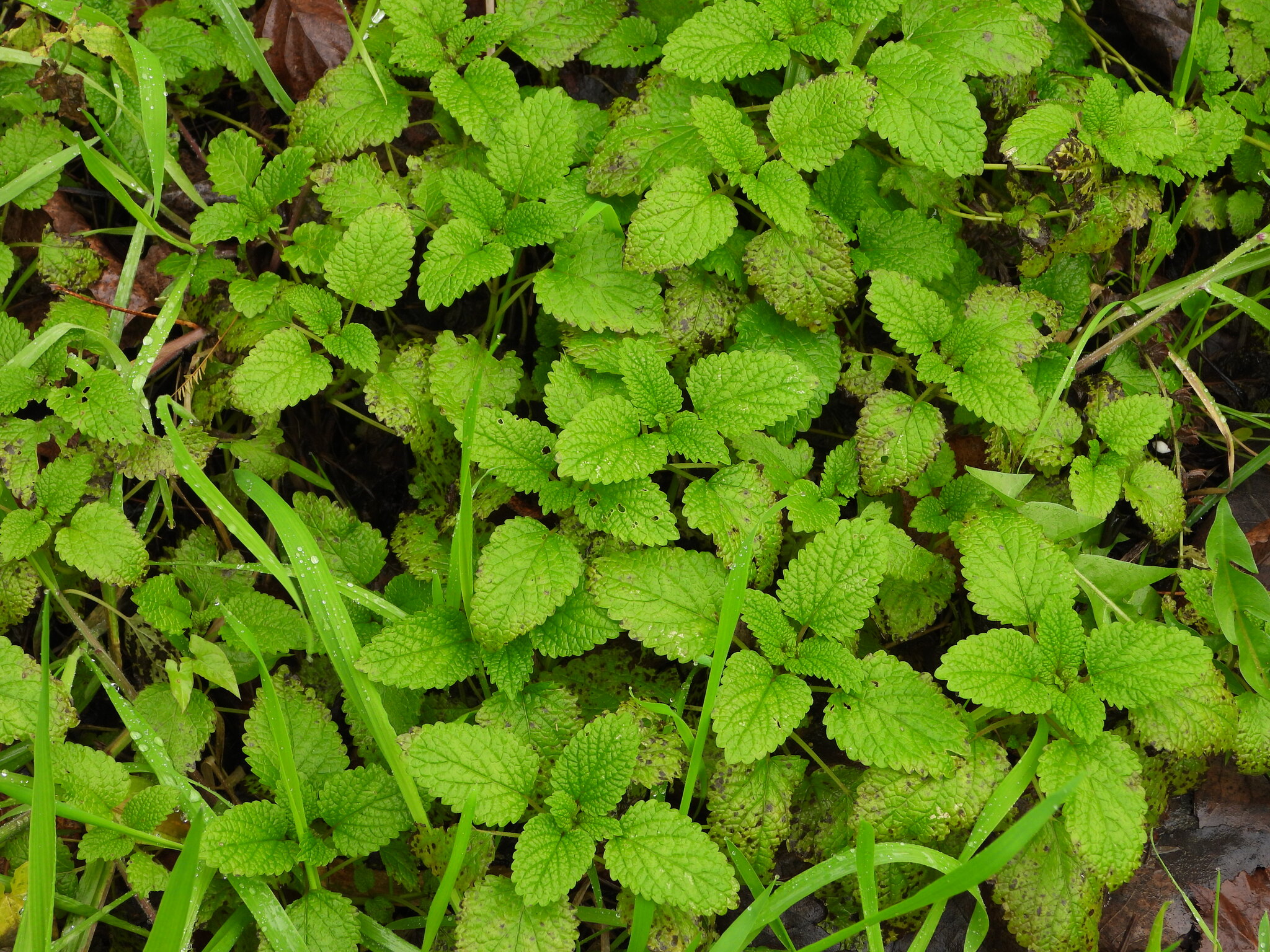
Melissa officinalis, commonly known as lemon balm, is an aromatic perennial herb belonging to the mint family, Lamiaceae. It is characterized by its bright green, oval, toothed leaves that release a distinctive lemon scent when rubbed. It's ideal for herb gardens, garden borders, or pots, attracting pollinators and adding a fresh, relaxing touch.
Native range
Southern Europe and Central Asia
Care tips
Lemon balm thrives in full sun to partial shade and prefers well-drained, fertile, and moist soil, though it tolerates various conditions. Water regularly to keep the soil consistently moist, especially in warm climates, but avoid waterlogging. A common mistake is allowing it to grow unchecked, as it can become invasive; prune regularly to maintain its shape and encourage bushy growth. It is quite resistant to pests and diseases.
How to save a dying Lemon balm
- Warning signs
- Yellow, soft leaves with drooping stems (overwatering); dry, crispy leaves (underwatering/direct sun).
- First aid
- If overwatered, repot to dry, well-draining soil. If underwatered, water and move to partial shade.
- What kills it
- Constant waterlogging or intense direct sun in summer. It does not tolerate prolonged drought.
- Can it be saved?
- Yes! It's resilient. Act quickly by adjusting watering or sun exposure.