Siberian motherwort (Leonurus tataricus)
Care, watering, light and tips for Siberian motherwort on Floravia.
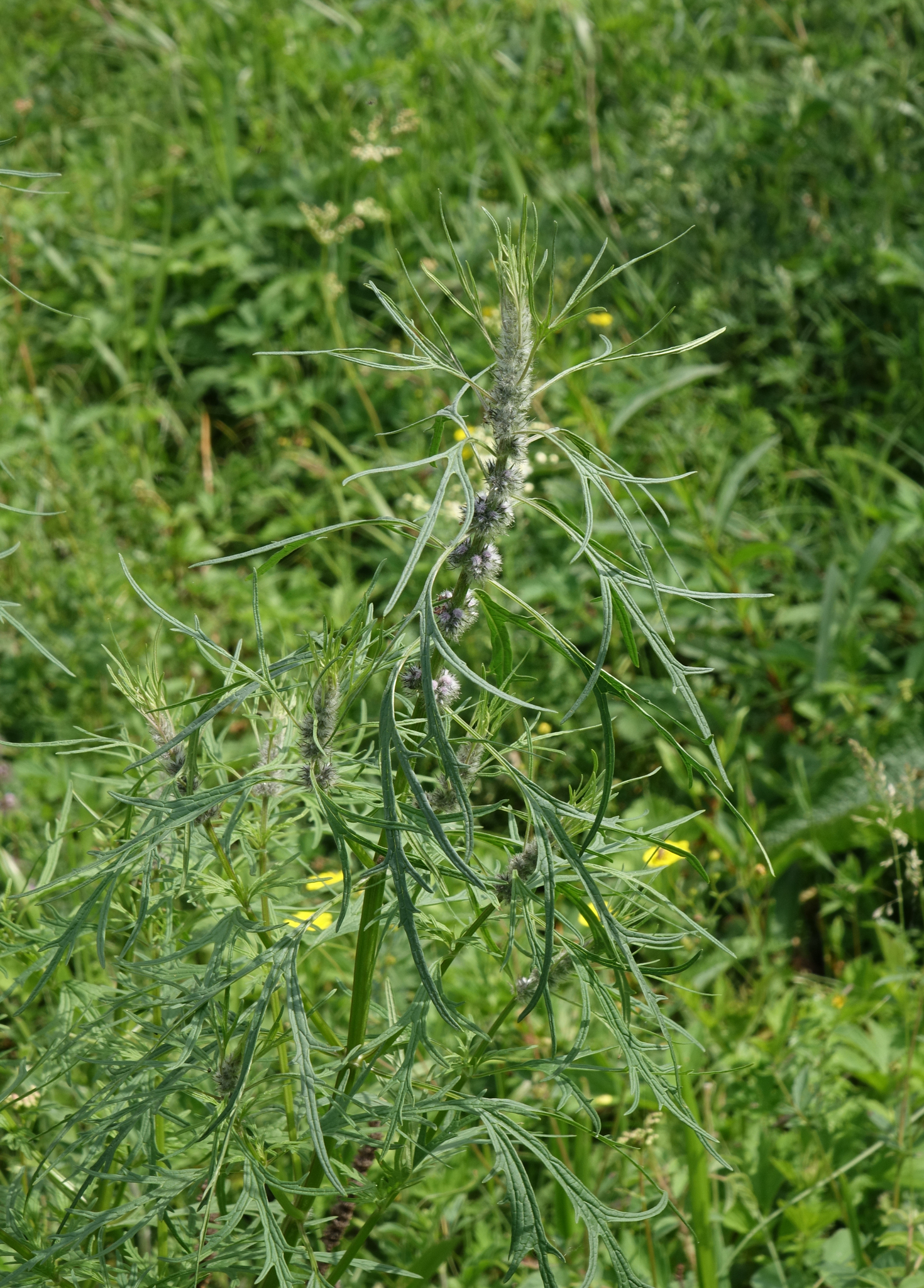
Quick facts
- Family: Lamiaceae
- Difficulty: Easy to care for
- Watering: every 7 days
- Light: Full sun
- Temperature: 5–35 °C
About Siberian motherwort
Leonurus tataricus, commonly known as Tartar motherwort or Chinese motherwort, is a perennial herbaceous plant belonging to the Lamiaceae family, valued for its medicinal properties and attractive foliage. It features square stems and bright green, lobed leaves, with small purple or pink flowers appearing in axillary spikes during summer. It makes an excellent addition to herb gardens, naturalized borders, or large pots, where its habit and blooms will provide a rustic and medicinal touch.
Native range
Siberia and Central Asia
Care tips
It thrives in full sun to partial shade and well-drained soils, although it tolerates a range of conditions. Water moderately, allowing the topsoil to dry out between waterings, as it is susceptible to waterlogging. A general-purpose potting mix enriched with organic matter is ideal. Avoid over-fertilizing, as this can promote excessive leafy growth at the expense of flowering and the production of medicinal compounds.
How to save a dying Siberian motherwort
- Warning signs
- Yellowing or wilting leaves, soft or blackened stems. May indicate overwatering or lack of light.
- First aid
- Check drainage. If waterlogged, remove plant, discard wet soil, and repot with fresh, light substrate.
- What kills it
- Overwatering is its main enemy, especially in pots. It doesn't tolerate heavy, compact soil.
- Can it be saved?
- Yes, if you act quickly. Good drainage and moderate watering are key for recovery. It's quite resilient!