Wild thyme (Thymus serpyllum)
Care, watering, light and tips for Wild thyme on Floravia.
Quick facts
- Family: Lamiaceae
- Difficulty: Easy to care for
- Watering: every 7 days
- Light: Full sun
- Temperature: 5–35 °C
About Wild thyme
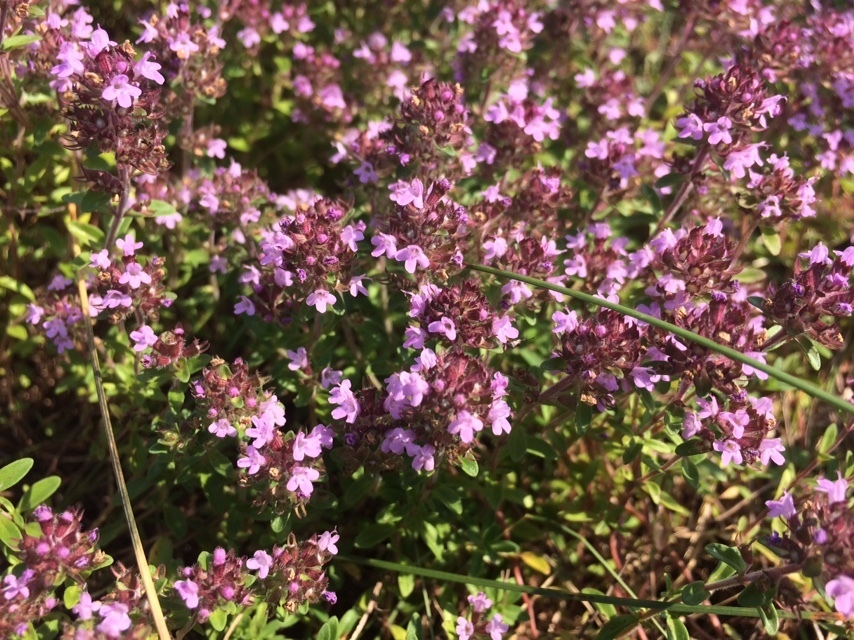
Thymus serpyllum, commonly known as wild thyme or creeping thyme, is a low-growing, mat-forming plant with tiny, aromatic leaves and clusters of purple or pink flowers. It is perfect for ground cover in rockeries, between stepping stones, or as part of a herb garden, releasing a pleasant fragrance when trodden upon. Its hardiness and low maintenance make it ideal for dry, sunny gardens, attracting pollinators.
Native range
Europe and northern Asia
Care tips
This plant thrives in full sun and well-drained, even poor or sandy soils; excessive moisture is its biggest enemy. Water sparingly, only when the substrate is completely dry, as it is very drought-tolerant. Avoid waterlogging at all costs, especially in winter, to prevent root rot. It does not require frequent fertilization and benefits from light pruning after flowering to maintain its compact shape.
How to save a dying Wild thyme
- Warning signs
- Yellowish or brown leaves, general wilting, soft and blackened stems. 🌿
- First aid
- Remove from pot, inspect roots. Remove damaged ones. Repot in draining substrate, water moderately.
- What kills it
- Overwatering and poor drainage. Thyme hates waterlogging. Also insufficient light.
- Can it be saved?
- Yes! It's resilient. With good drainage and sun, it recovers. Prune damaged parts to stimulate new growth.