Greek sage (Salvia fruticosa)
Care, watering, light and tips for Greek sage on Floravia.
Quick facts
- Family: Lamiaceae
- Difficulty: Easy to care for
- Watering: every 7 days
- Light: Full sun
- Temperature: 5–35 °C
About Greek sage
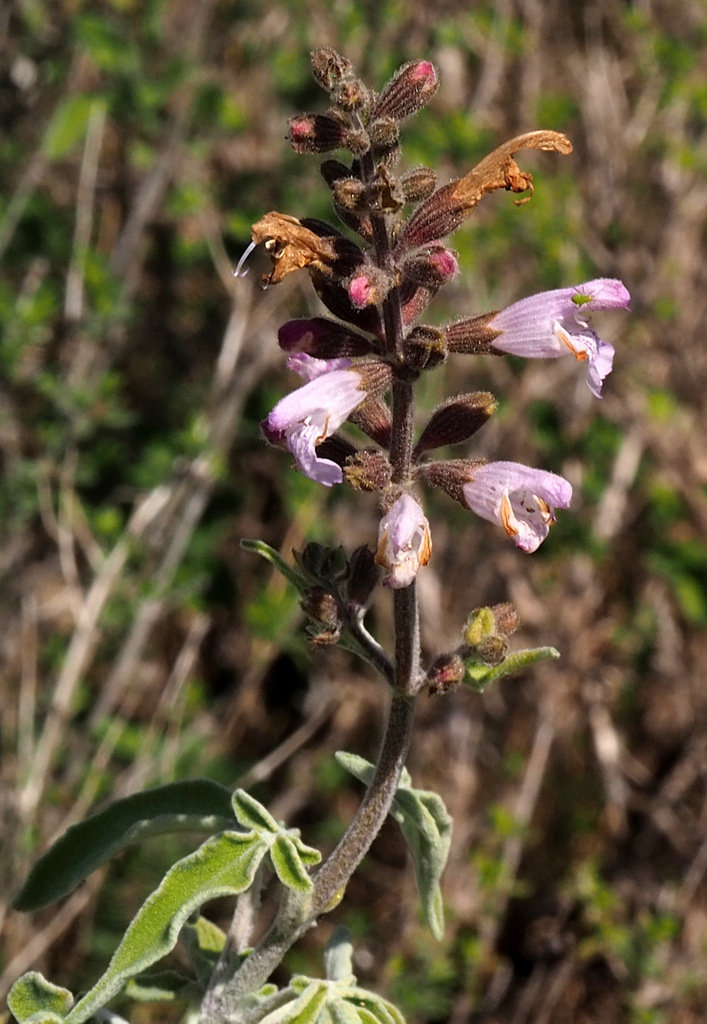
Salvia fruticosa, also known as Greek sage or three-lobed sage, is an aromatic perennial shrub native to the Mediterranean region. It is characterized by its grayish, slightly hairy leaves and lavender flowers that appear in spring and summer. It's an excellent choice for rock gardens, sunny borders, or pots, adding a rustic and fragrant touch.
Native range
Eastern Mediterranean region (from Southern Italy to the Near East)
Care tips
This sage thrives in full sun and well-drained soils, even poor or calcareous ones. It is very drought-tolerant once established, so watering should be sparse, allowing the substrate to dry completely between waterings. The main mistake to avoid is overwatering, which can lead to root rot. Light pruning after flowering will help maintain its compact shape and encourage new growth.
How to save a dying Greek sage
- Warning signs
- Yellowish or whitish leaves, soft stems, moldy smell in soil. 🌿
- First aid
- Remove damaged leaves/stems. Ensure good drainage, reduce watering. Repot if soil is compacted.
- What kills it
- Overwatering and poor drainage, causing root rot. They hate constant moisture! 💧
- Can it be saved?
- Yes, if roots aren't fully rotted. Act fast, provide dry, sunny environment.