Sideritis pusilla
Care, watering, light and tips for Sideritis pusilla on Floravia.
Quick facts
- Family: Lamiaceae
- Difficulty: Easy to care for
- Watering: every 7 days
- Light: Full sun
- Temperature: 5–35 °C
About Sideritis pusilla
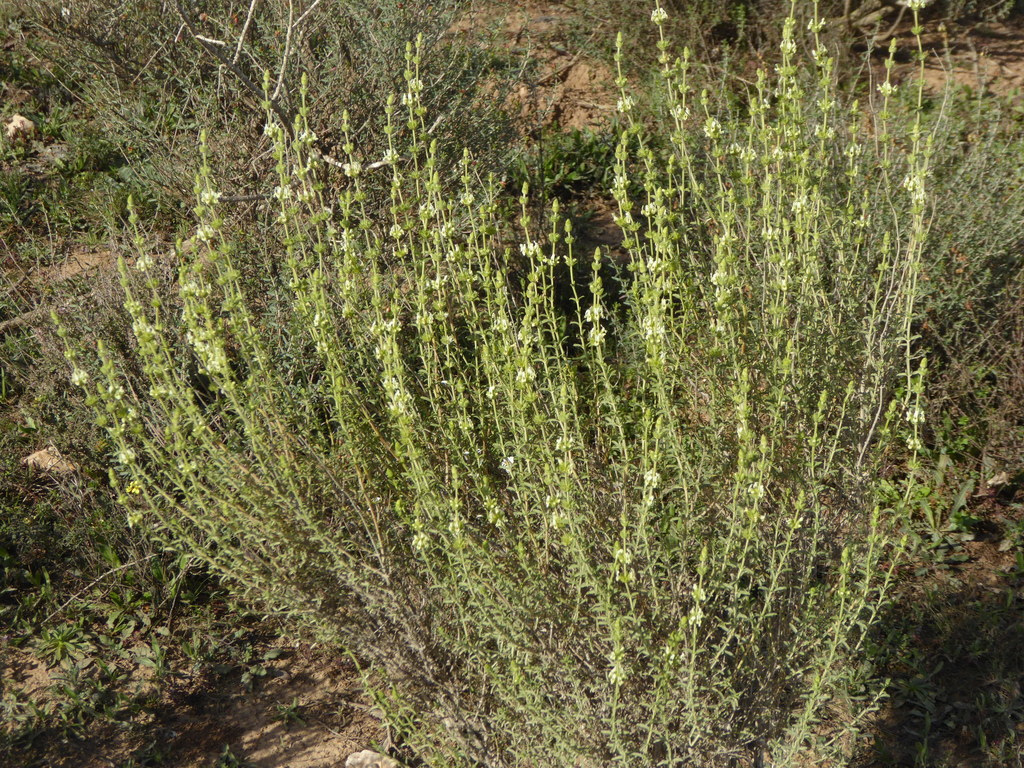
Sideritis pusilla, also known as 'Petite crapaudine', is a small perennial herbaceous plant belonging to the Lamiaceae family, native to the Mediterranean region. It is characterized by its small, often pubescent leaves, and its spiked inflorescences with tiny white to pale purple flowers. It is ideal for rock gardens, dry gardens, or as a potted plant on patios, adding a wild and aromatic touch.
Native range
Western Mediterranean region (Spain and North Africa)
Care tips
It requires full sun exposure for optimal growth and abundant flowering. Watering should be sparse, allowing the substrate to dry out completely between waterings, as it is very drought-tolerant and susceptible to waterlogging. It prefers well-drained, sandy or stony soils, avoiding heavy and clayey substrates. A common mistake is overwatering, which can lead to root rot.
How to save a dying Sideritis pusilla
- Warning signs
- Yellowish or brown, wilted, and lifeless leaves. If exposed to high humidity, black spots may appear.
- First aid
- If potted, check drainage. If outdoors, ensure soil isn't waterlogged. Move to a dry, sunny spot. Remove severely damaged leaves.
- What kills it
- Overwatering and constant humidity are lethal for Sideritis pusilla, leading to root rot.
- Can it be saved?
- Yes, if roots aren't completely rotted and you act quickly. Sideritis pusilla is resilient if conditions are corrected.