Bastard balm (Melittis melissophyllum)
Care, watering, light and tips for Bastard balm on Floravia.
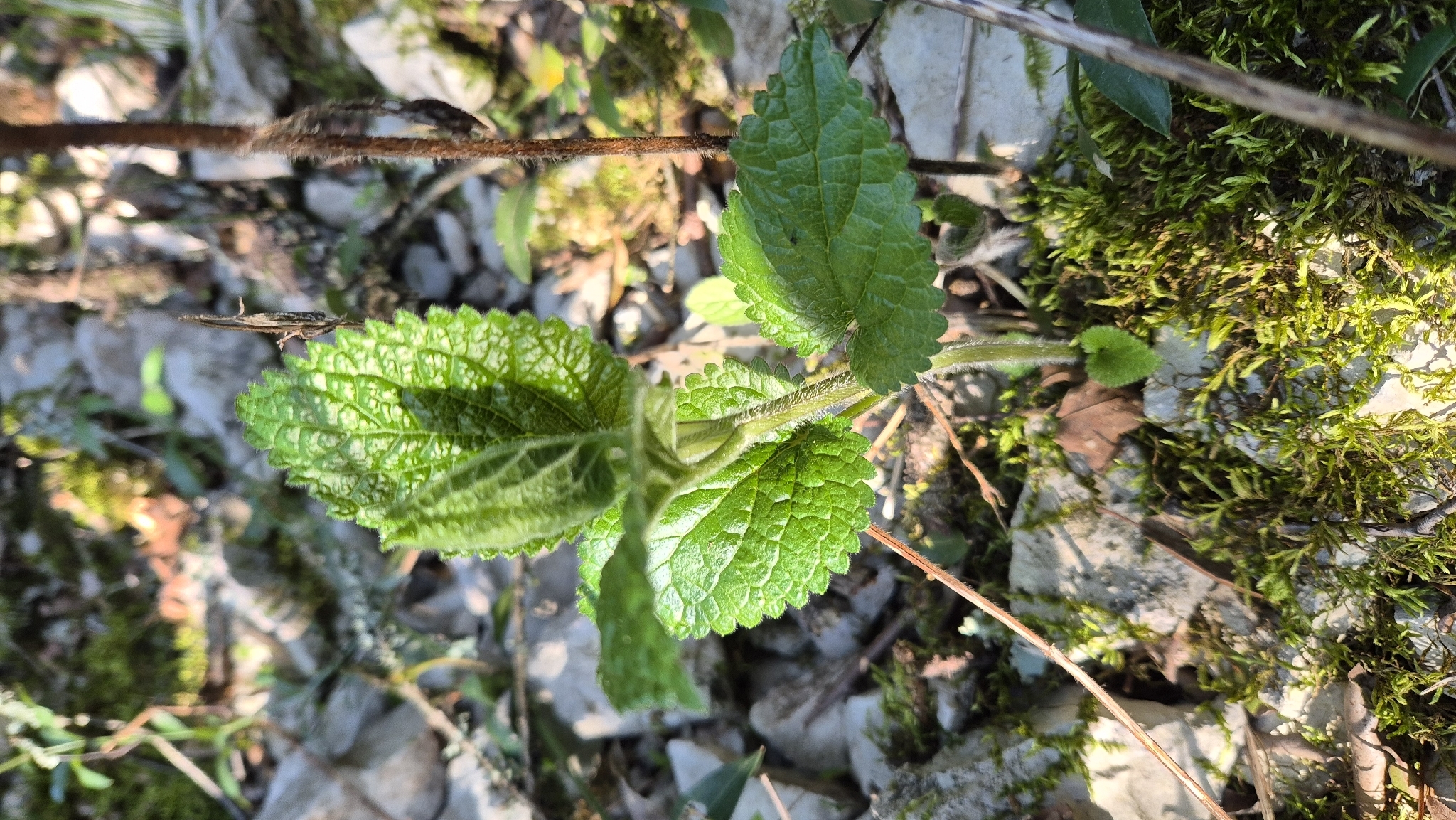
Quick facts
- Family: Lamiaceae
- Difficulty: Moderate care
- Watering: every 7 days
- Light: Full sun
- Temperature: 5–35 °C
About Bastard balm
Melittis melissophyllum, commonly known as Bastard Balm, is a perennial herbaceous plant from the Lamiaceae family, prized for its showy flowers and aromatic foliage. Its bicolored inflorescences (typically white and pink or purple) emerge in late spring and early summer, creating an attractive contrast with its green, textured leaves. It is ideal for partial shade gardens, woodland borders, or wild gardens where its natural beauty can stand out.
Native range
Central and Southern Europe, from Spain to the Balkans and Ukraine
Care tips
It prefers locations with partial shade or filtered light, as direct midday sun can scorch its leaves. Watering should be moderate, keeping the substrate slightly moist but never waterlogged, especially during dry periods. It adapts well to well-drained, organically rich soils that are slightly acidic to neutral. A common mistake is planting it in poor or overly dry soils, which will limit its flowering and growth.
How to save a dying Bastard balm
- Warning signs
- Yellowish or brown, wilted, lifeless leaves. Stunted growth or soft stems.
- First aid
- Move to semi-shade, water if soil is dry (avoid waterlogging). Prune badly damaged parts.
- What kills it
- Excessive direct sun and prolonged dry soil. Also constant waterlogging.
- Can it be saved?
- Yes, if roots aren't rotted and green stems with buds remain. Act quickly.