Catmint (Nepeta caerulea)
Care, watering, light and tips for Catmint on Floravia.
Quick facts
- Family: Lamiaceae
- Difficulty: Easy to care for
- Watering: every 7 days
- Light: Full sun
- Temperature: 5–35 °C
About Catmint
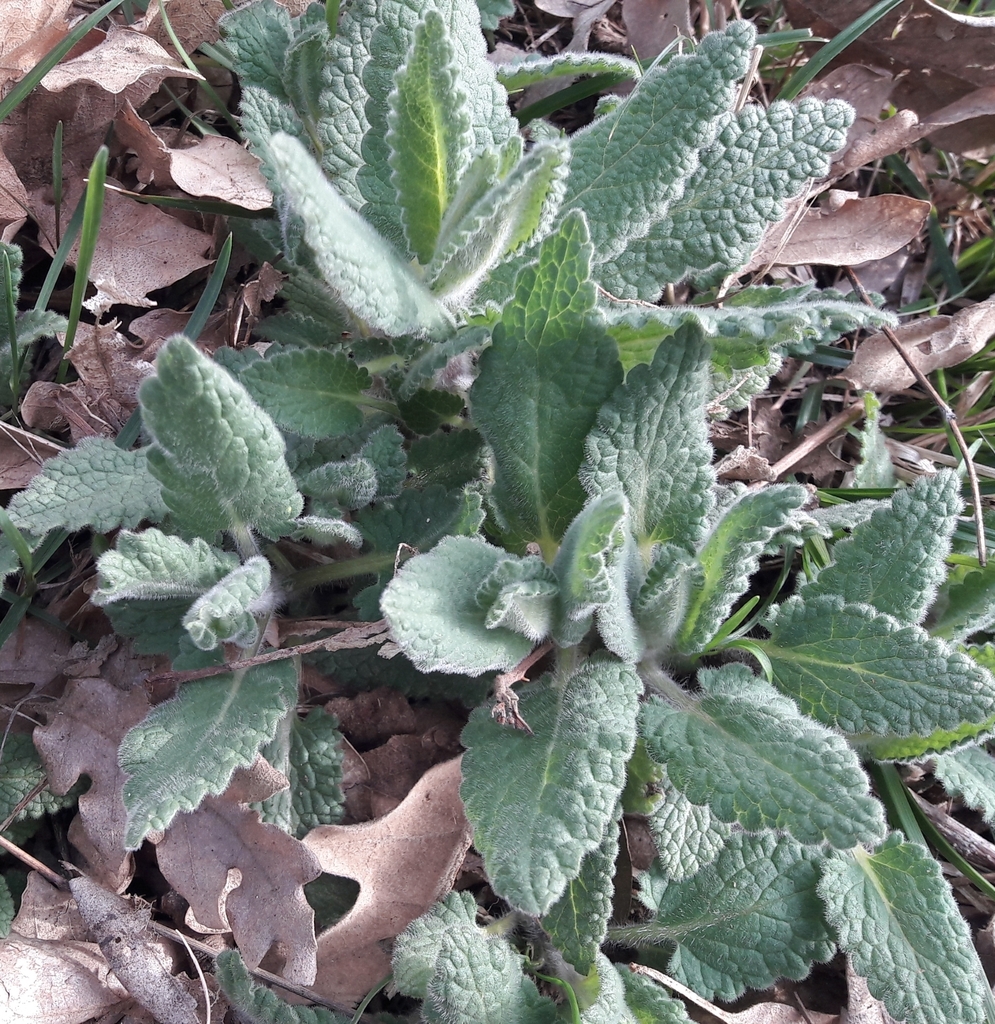
Nepeta caerulea, commonly known as Blue Catmint, is a perennial herbaceous plant from the Lamiaceae family, famous for its spikes of vibrant lavender-blue flowers. Its aromatic, grayish, velvety foliage forms dense and attractive clumps, ideal for path edges, rock gardens, or as part of a wild and pollinator-friendly garden. It's an excellent choice for attracting bees, butterflies, and of course, cats, which are irresistibly drawn to its characteristic scent.
Native range
Mediterranean region and Central Asia
Care tips
Blue Catmint thrives in full sun, requiring at least 6 hours of direct light per day for optimal flowering, though it tolerates some partial shade. It prefers well-drained soils, even poor or sandy ones, and is quite drought-tolerant once established, so watering should be moderate, allowing the substrate to dry out between waterings. A common mistake is overwatering, which can lead to root rot; it's better to err on the side of dryness than wetness. Pruning after the first flush of blooms will encourage a second wave of flowers and maintain a compact habit.
How to save a dying Catmint
- Warning signs
- Yellowish or brown, wilted, lifeless leaves. Lack of flowering or dropped flowers.
- First aid
- Replant in a larger pot with good drainage or well-aerated soil. Water thoroughly if dry.
- What kills it
- Overwatering that rots roots or lack of space and nutrients. Insufficient light.
- Can it be saved?
- Yes, if roots aren't completely rotted and it receives adequate sunlight.