Bluebeard (Caryopteris clandonensis)
Care, watering, light and tips for Bluebeard on Floravia.
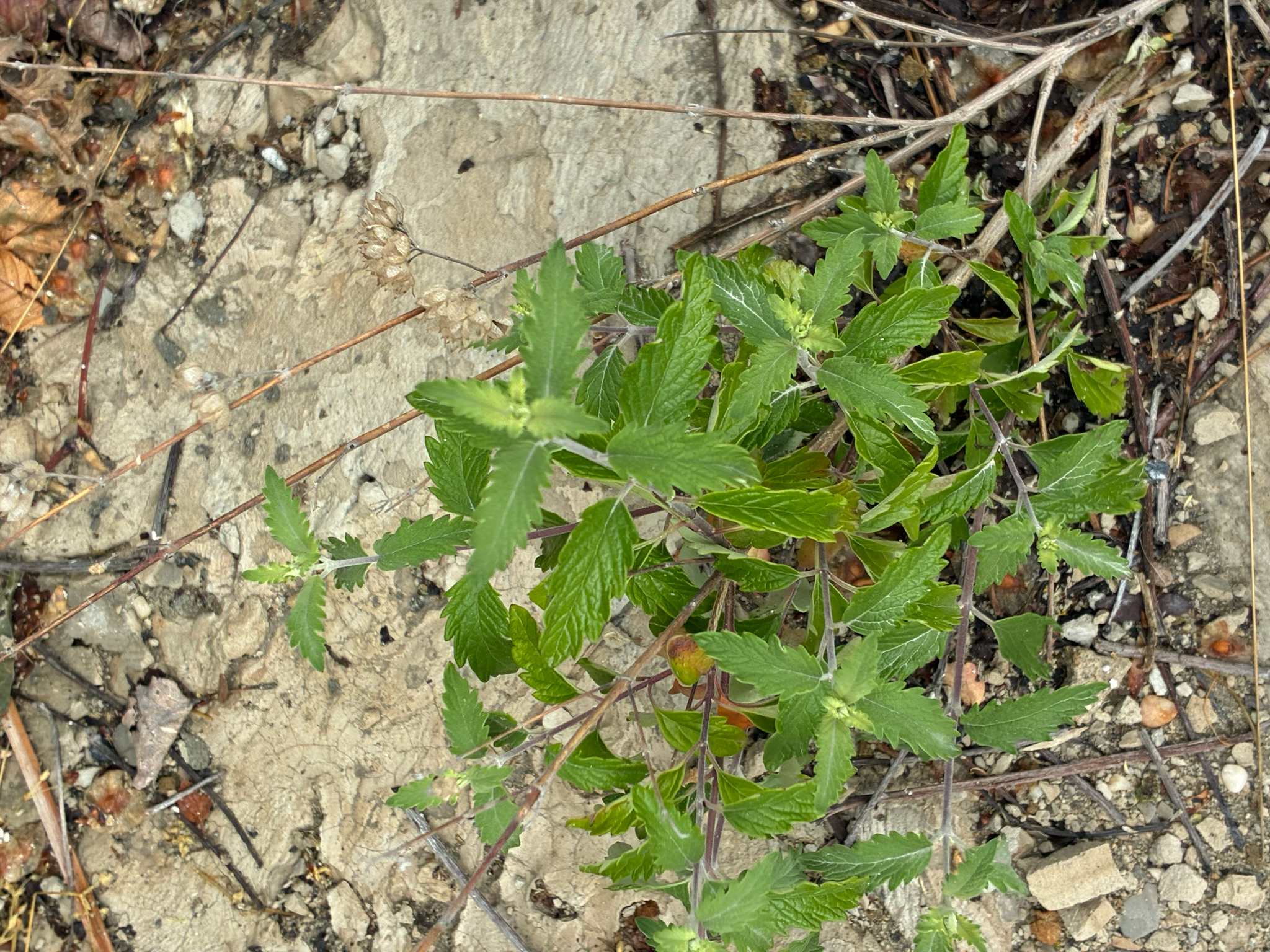
Quick facts
- Family: Lamiaceae
- Difficulty: Easy to care for
- Watering: every 7 days
- Light: Full sun
- Temperature: 5–35 °C
About Bluebeard
Caryopteris clandonensis, commonly known as Bluebeard, is a compact deciduous shrub cherished for its attractive blue flowers that bloom in late summer and early autumn. Its aromatic foliage and late-season flowering make it an excellent addition of color to mixed borders, flower beds, or as a specimen plant, attracting pollinators like bees and butterflies.
Native range
East Asia
Care tips
It thrives in full sun for abundant flowering and requires well-drained soil, though it tolerates a variety of soil types as long as they are not excessively wet. Watering should be moderate, allowing the soil to dry out slightly between waterings, and it is quite drought-tolerant once established. Prune in early spring to encourage dense growth and more profuse flowering; a common mistake is not pruning, which can lead to a more open form and less bloom.
How to save a dying Bluebeard
- Warning signs
- Yellowing or browning leaves, general wilting, lack of flowering or drooping flowers.
- First aid
- Check drainage and watering. If potted, ensure no waterlogging. If soil is dry, water deeply.
- What kills it
- Overwatering (root rot) or prolonged drought. Also, excessive shade.
- Can it be saved?
- Yes, if roots aren't completely rotted and the cause is corrected promptly.