Lesser calamint (Clinopodium nepeta)
Care, watering, light and tips for Lesser calamint on Floravia.
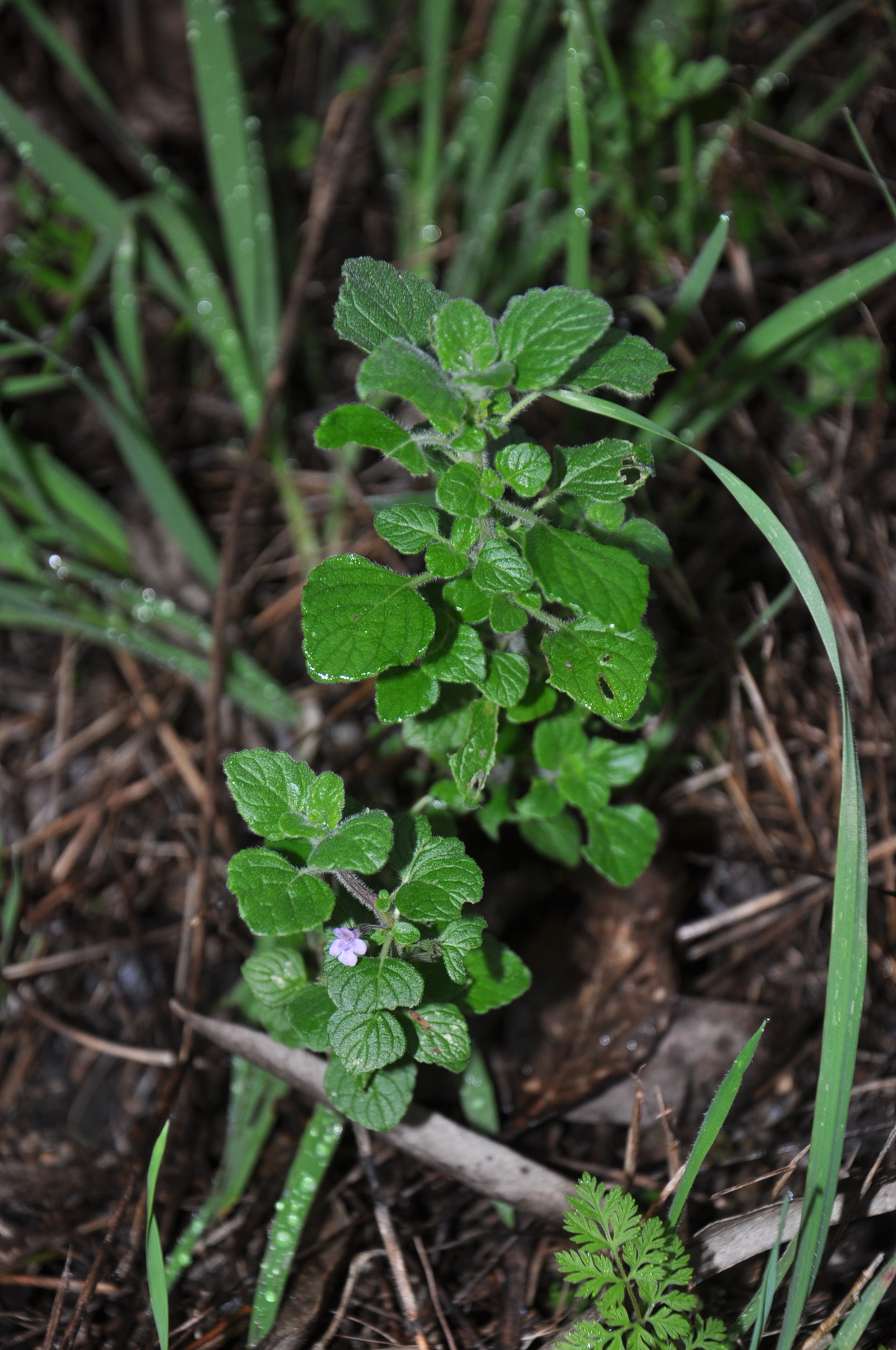
Quick facts
- Family: Lamiaceae
- Difficulty: Easy to care for
- Watering: every 7 days
- Light: Full sun
- Temperature: 5–35 °C
About Lesser calamint
Clinopodium nepeta, commonly known as Lesser Calamint, is an aromatic perennial herb belonging to the Lamiaceae family, forming dense, low-growing clumps of oval leaves and small, tubular white or pale lilac flowers. Its foliage releases a pleasant minty scent when brushed, making it perfect for path edges or near seating areas in the garden where its fragrance can be enjoyed. It's an excellent choice for herb gardens, rockeries, or as ground cover in sunny areas.
Native range
Europe, North Africa, and Western Asia
Care tips
It thrives in full sun to partial shade, though more sun exposure enhances its flowering and aroma. It prefers well-drained soils, even poor or calcareous ones, and is quite drought-tolerant once established, so watering should be moderate, allowing the substrate to dry out between waterings. Avoid overwatering, as it can lead to root rot; it's better to underwater than overwater. A light trim after flowering can encourage more compact growth and a second flush of blooms.
How to save a dying Lesser calamint
- Warning signs
- Yellowing or wilting leaves, soft stems, no flowering. May indicate overwatering or poor soil.
- First aid
- Check drainage. If potted, repot into one with good drainage. Reduce watering. Add compost.
- What kills it
- Waterlogging is its main enemy, rotting the roots. Also very compact, unaerated soil.
- Can it be saved?
- Yes! It's a resilient plant. Act quickly at the first signs and it will recover.