Viper's bugloss (Echium vulgare)
Care, watering, light and tips for Viper's bugloss on Floravia.
Quick facts
- Family: Boraginaceae
- Difficulty: Easy to care for
- Watering: every 7 days
- Light: Partial shade
- Temperature: 10–30 °C
- Toxicity: Toxic to pets
About Viper's bugloss
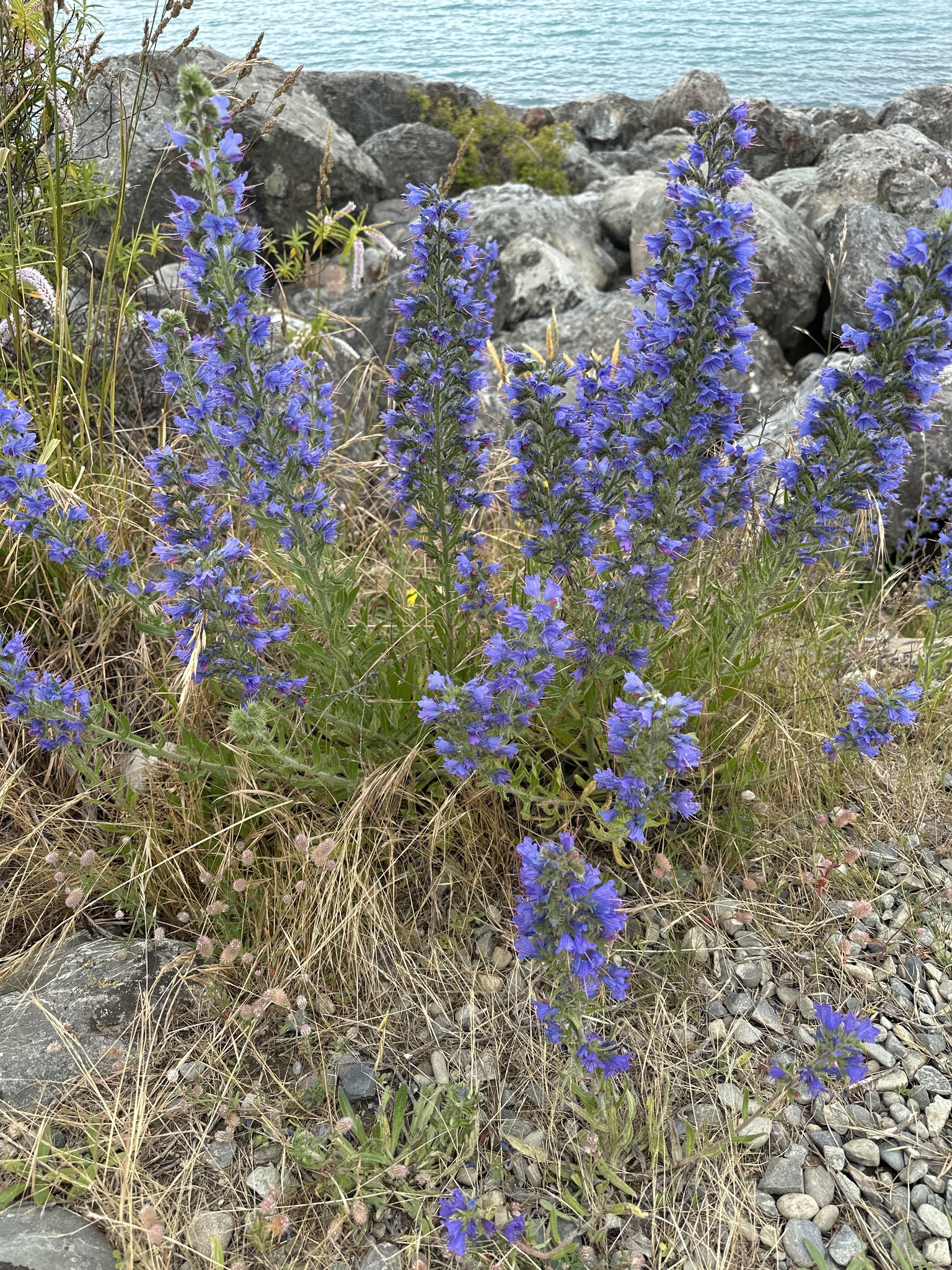
Commonly known as Viper's Bugloss, 'Echium vulgare' is a biennial or short-lived perennial herbaceous plant native to Europe and Asia. It forms a basal rosette of leaves in its first year, then in the second year, it produces erect flower stalks up to one meter tall, adorned with spikes of flowers that change from pink to bright blue as they mature. It's an excellent choice for pollinator gardens, rockeries, and naturalized meadows, adding color and attracting bees and other beneficial insects.
Native range
Europe and temperate Asia
Care tips
It thrives in full sun for abundant flowering, though it can tolerate some partial shade. It is very drought-tolerant once established, so watering should be moderate, allowing the substrate to dry out completely between waterings. It adapts to poor, well-drained soils, including calcareous ones, and does not require fertilization. Avoid excessive soil moisture, as it can lead to root rot.
How to save a dying Viper's bugloss
- Warning signs
- Wilted, yellowing, or dry leaves. Lack of flowering or dropped flowers. Stunted growth.
- First aid
- Move to full sun. Ensure good drainage; water only when soil is dry to touch. Prune damaged leaves and flowers.
- What kills it
- Overwatering and prolonged shade. Does not tolerate waterlogging or heavy soils. Lack of direct sun.
- Can it be saved?
- Yes, if roots are not rotted. It is very drought and sun tolerant, but not waterlogging tolerant.