Tuberous comfrey (Symphytum tuberosum)
Care, watering, light and tips for Tuberous comfrey on Floravia.
Quick facts
- Family: Boraginaceae
- Difficulty: Easy to care for
- Watering: every 7 days
- Light: Partial shade
- Temperature: 10–30 °C
- Toxicity: Toxic to pets
About Tuberous comfrey
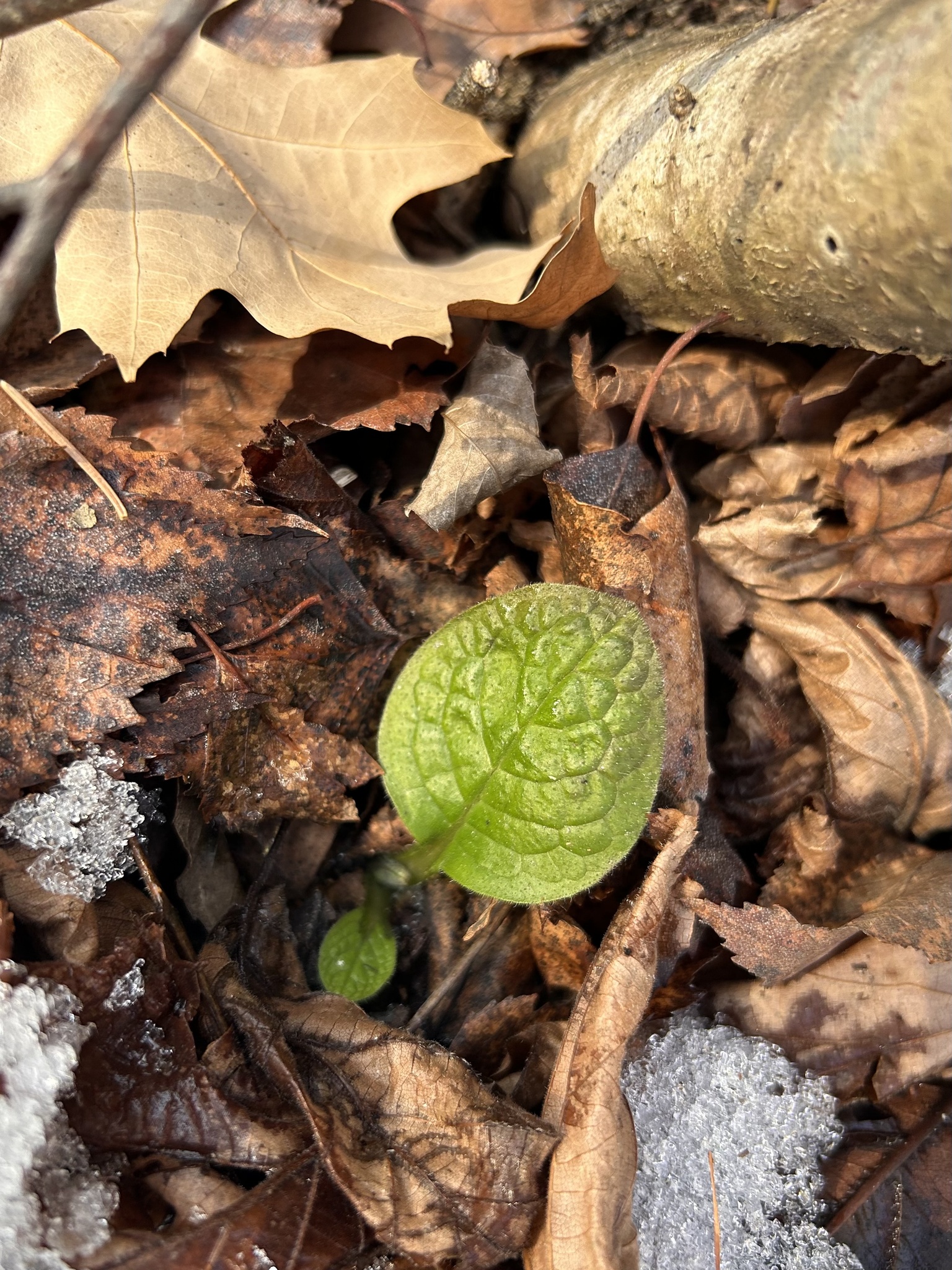
Symphytum tuberosum, commonly known as Tuberous Comfrey or Knoten-Beinwell, is a herbaceous perennial from the Boraginaceae family, prized for its hardiness and delicate pale yellow, tubular flowers. It forms dense clumps of green foliage and can be an excellent addition to partial shade gardens, woodland borders, or as ground cover in areas where other plants struggle. Its compact nature and early spring bloom make it attractive for adding interest during that season.
Native range
Central and Southern Europe, from Spain to Russia, and the Caucasus
Care tips
It prefers partial to full shade, though it can tolerate some morning sun in cooler climates. It requires moist but well-drained soil, rich in organic matter; avoid dry soils. Watering should be regular, especially during dry spells, to maintain soil moisture. A common mistake is planting it in full sun in warm climates, which can lead to leaf scorch and poor growth.
How to save a dying Tuberous comfrey
- Warning signs
- Yellow, soft leaves, drooping stems. Brown, dry leaf edges. Stunted growth.
- First aid
- Check watering: if dry, water thoroughly; if waterlogged, drain and aerate. Protect from intense direct sun. Repot if pot is too small.
- What kills it
- Excessive moisture and constant waterlogging in the substrate. Also prolonged drought and strong direct sun in summer.
- Can it be saved?
- Yes, it's quite resilient. Act quickly by correcting watering and exposure. Check roots, prune damaged parts.