Black walnut (Juglans nigra)
Care, watering, light and tips for Black walnut on Floravia.
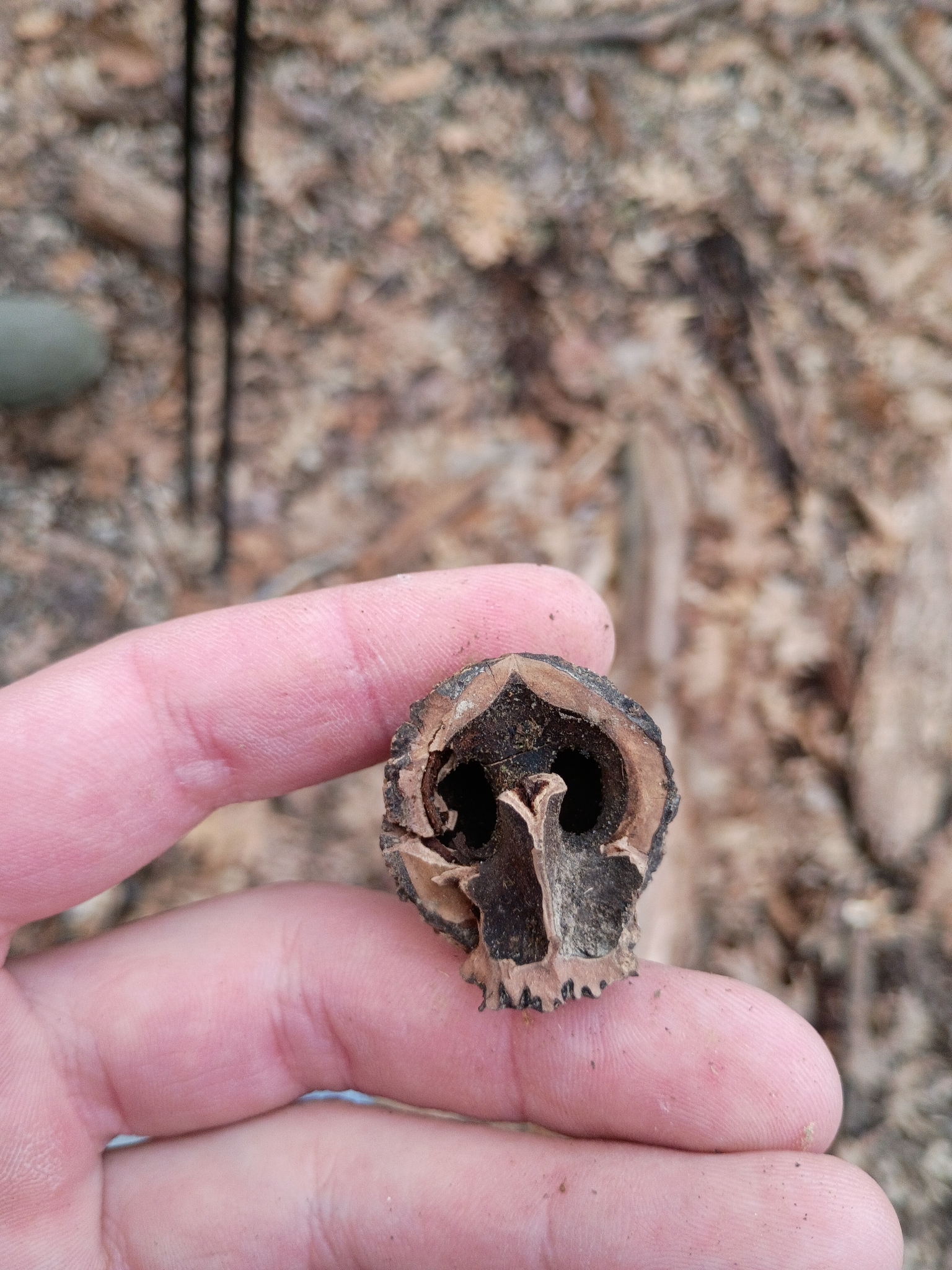
Quick facts
- Family: Juglandaceae
- Difficulty: Demanding
- Watering: every 7 days
- Light: Partial shade
- Temperature: 10–30 °C
- Toxicity: Toxic to pets
About Black walnut
Black Walnut (Juglans nigra) is a majestic deciduous tree native to North America, prized for its dark, valuable timber and edible nuts. It grows to considerable heights, developing a broad, rounded canopy, making it an excellent shade tree for large gardens, parks, or estates. Its dark green foliage turns a golden yellow in autumn, adding seasonal appeal to the landscape.
Native range
Eastern North America
Care tips
Black Walnut requires full sun for optimal growth and good nut production. It prefers deep, fertile, well-drained soils with a neutral to slightly alkaline pH; avoid heavy clay soils or those with poor drainage. Watering should be regular during the first few years and in dry periods, but once established, it is quite drought-tolerant. A common mistake is planting it near juglone-sensitive plants (a chemical it releases that is toxic to many species), so research compatibility before choosing its location.
How to save a dying Black walnut
- Warning signs
- Yellow or brown, wilted leaves, premature drop. Dry, brittle branches.
- First aid
- Check soil drainage and moisture. Prune dead branches. Ensure good air circulation.
- What kills it
- Excessive moisture and poor drainage lead to root fungal diseases. Also prolonged water stress.
- Can it be saved?
- Yes, if acted upon quickly. Key is correcting drainage, moisture, and pruning affected parts.