Japanese walnut (Juglans ailantifolia)
Care, watering, light and tips for Japanese walnut on Floravia.
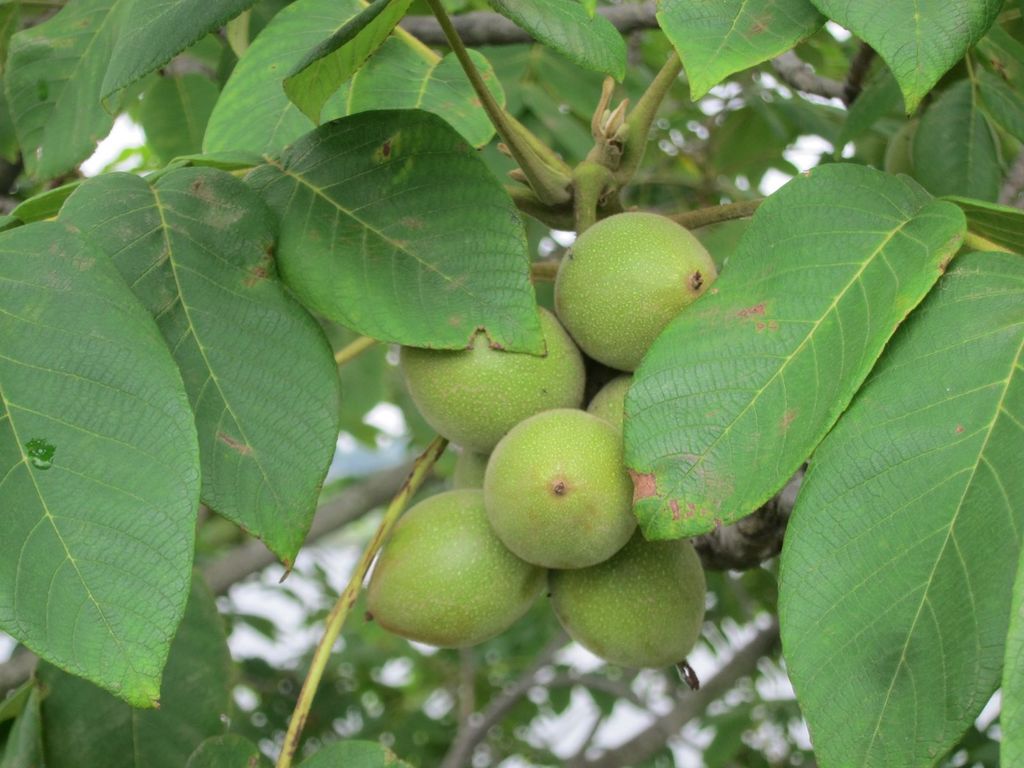
Quick facts
- Family: Juglandaceae
- Difficulty: Easy to care for
- Watering: every 7 days
- Light: Partial shade
- Temperature: 10–30 °C
- Toxicity: Toxic to pets
About Japanese walnut
Juglans ailantifolia, commonly known as Japanese walnut, is a medium to large deciduous tree prized for its rapid growth and dense, bright green foliage. It produces edible, thin-shelled nuts. This tree is an excellent ornamental choice for large parks and gardens, providing ample shade and seasonal interest with its leaves turning yellow in autumn.
Native range
Japan and Sakhalin Island (Russia)
Care tips
It thrives in full sun exposure for optimal growth and fruit production. It requires deep, fertile, well-drained, and consistently moist soil, but not waterlogged; watering should be regular during dry periods, especially for young specimens. Avoid highly compacted or poorly drained soils, as this can lead to root problems. A common mistake is planting it in confined spaces, as its large size requires ample room to develop.
How to save a dying Japanese walnut
- Warning signs
- Wilted, yellowing or spotted leaves, premature fruit drop, dry or cankered branches.
- First aid
- Check soil drainage and moisture. Remove dead or diseased branches. Protect from late frosts. Ensure good ventilation.
- What kills it
- Constant waterlogging, leading to root rot and fungal diseases. Also severe frosts.
- Can it be saved?
- Yes, if roots aren't completely rotten and main trunk is undamaged. Act quickly.