Southern highbush blueberry (Vaccinium caesariense)
Care, watering, light and tips for Southern highbush blueberry on Floravia.
Quick facts
- Family: Ericaceae
- Difficulty: Demanding
- Watering: every 3 days
- Light: Partial shade
- Temperature: 10–30 °C
About Southern highbush blueberry
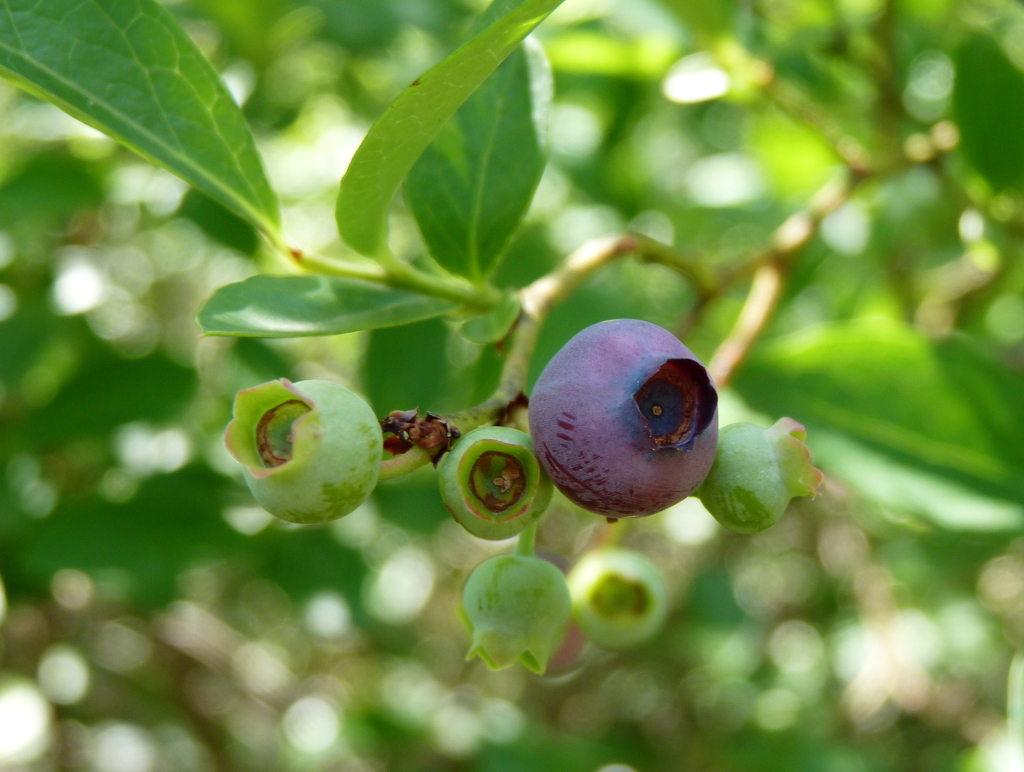
Vaccinium caesariense, commonly known as the New Jersey highbush blueberry, is a medium-sized deciduous shrub prized for its sweet fruits and attractive autumn foliage. It produces dark blue berries in summer and its leaves turn brilliant red in fall, making it ideal for edible hedges, borders, or as an ornamental plant in gardens. It brings seasonal beauty and delicious harvests to any sunny outdoor space.
Native range
Eastern North America
Care tips
This plant requires full sun for optimal fruit production and an acidic (pH 4.5-5.5), well-drained soil rich in organic matter. Keep the substrate consistently moist, especially during flowering and fruiting, using rainwater or acidified water if your tap water is alkaline. Avoid fertilizers with ammonium nitrates, as blueberries are sensitive to them; opt for specific acid-loving plant fertilizers. A common mistake is planting it in alkaline or heavy soils, which will lead to chlorosis and poor development.
How to save a dying Southern highbush blueberry
- Warning signs
- Yellow or reddish leaves, stunted growth, small or no berries. Highly alkaline soil is key.
- First aid
- Repot in acidic substrate (pH 4.5-5.5) or apply acidifier. Water with rainwater.
- What kills it
- Limestone in soil or hard tap water, blocking nutrient absorption. Over-fertilization.
- Can it be saved?
- Yes, if soil pH is quickly corrected and an acidic environment is consistently provided.