Cranberry (Vaccinium macrocarpon)
Care, watering, light and tips for Cranberry on Floravia.
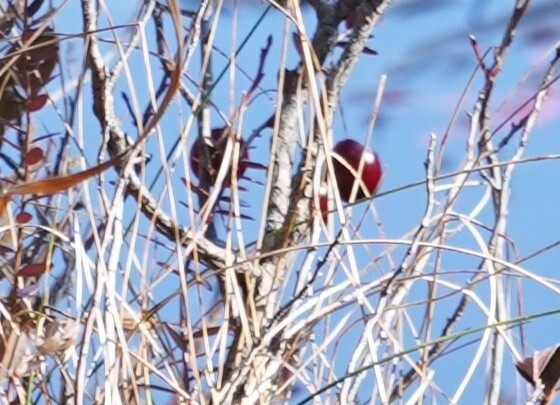
Quick facts
- Family: Ericaceae
- Difficulty: Demanding
- Watering: every 3 days
- Light: Partial shade
- Temperature: 10–30 °C
About Cranberry
Vaccinium macrocarpon, commonly known as the American cranberry, is a low-growing evergreen shrub prized for its tart fruits and bright green foliage. It's ideal for ground cover in acidic soils, rockeries, or even for cultivation in hanging baskets, adding a touch of color and utility to the garden. Its small pink flowers in spring and red fruits in autumn make it attractive for much of the year.
Native range
North America (Canada and United States)
Care tips
It prefers full sun to partial shade and requires very acidic soil (pH 4.0-5.5), well-drained and rich in organic matter. Keep the substrate consistently moist, especially during flowering and fruiting, but avoid waterlogging. A common mistake is planting it in alkaline or neutral soil; lack of acidity is fatal for its development. Apply a specific fertilizer for acid-loving plants in spring.
How to save a dying Cranberry
- Warning signs
- Yellow or reddish leaves, dry tips. Slow or no growth. Small or absent fruits.
- First aid
- Check soil pH (ideal 4.5-5.5). If high, add elemental sulfur or acidic peat. Ensure constant moisture without waterlogging. Place in partial shade if very hot.
- What kills it
- Alkaline or insufficiently acidic soil. Lack of consistent water or, conversely, waterlogging rotting roots. Too much direct sun in hot climates.
- Can it be saved?
- Yes! If roots aren't completely rotted, a quick pH adjustment and proper watering usually revive it. Act promptly.