Lowbush blueberry (Vaccinium angustifolium)
Care, watering, light and tips for Lowbush blueberry on Floravia.
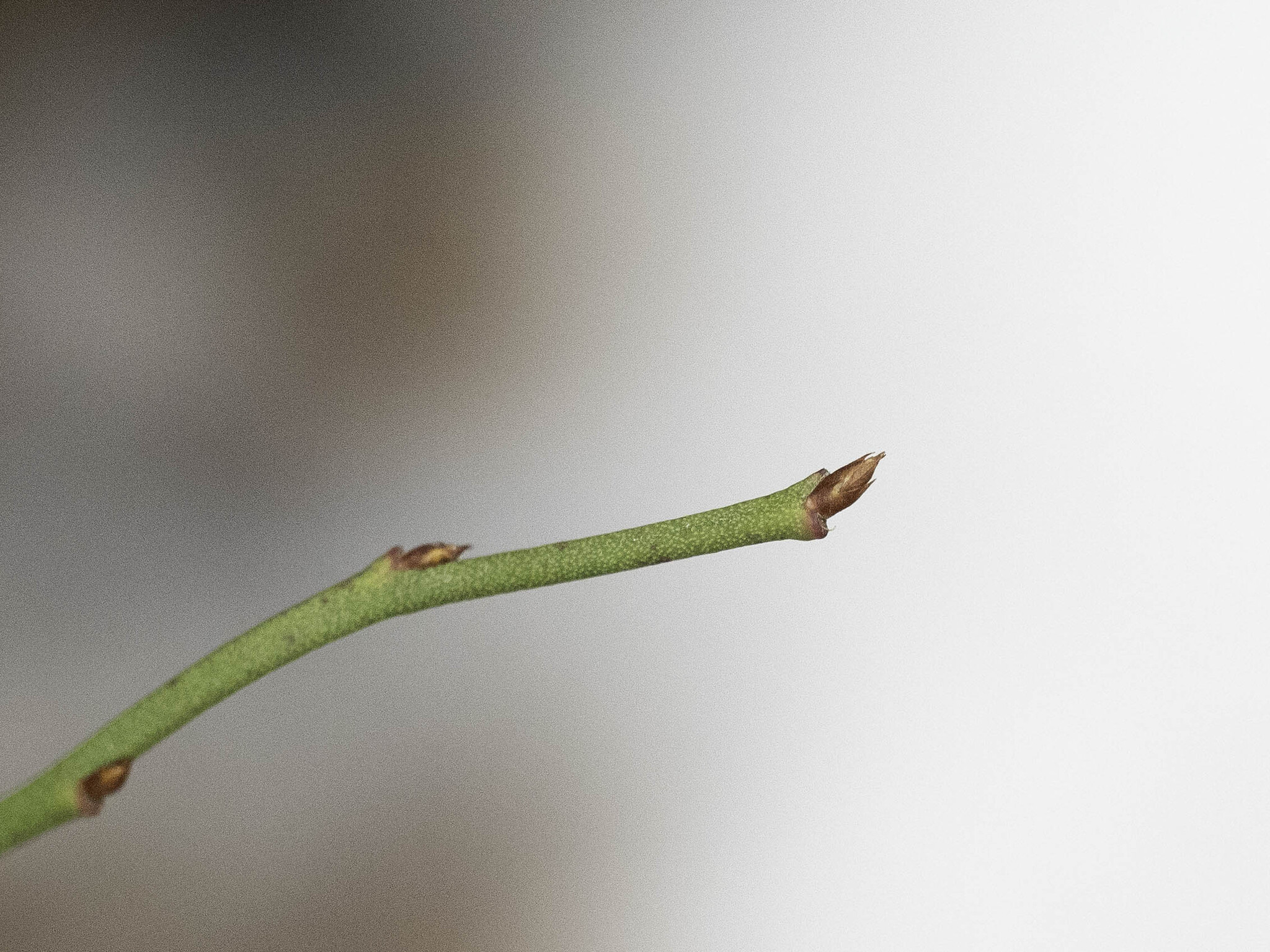
Quick facts
- Family: Ericaceae
- Difficulty: Demanding
- Watering: every 3 days
- Light: Partial shade
- Temperature: 10–30 °C
About Lowbush blueberry
Vaccinium angustifolium, commonly known as Upland Lowbush Blueberry, is a small to medium-sized deciduous shrub, valued for its abundant and sweet blue berries. It forms an attractive groundcover in rock gardens, along paths, or as an understory plant, providing color and food for wildlife. Its leaves turn beautiful reddish hues in autumn, adding seasonal interest.
Native range
Northeastern North America (primarily eastern Canada and the northeastern United States)
Care tips
It requires full sun for optimal fruiting and an acidic (pH 4.5-5.5), well-drained soil rich in organic matter; adding peat moss or pine compost is beneficial. Watering should be regular, keeping the substrate consistently moist but not waterlogged, especially during flowering and fruit development. Avoid lime in irrigation water, as it can raise soil pH and cause chlorosis. A common mistake is planting it in alkaline or heavy soils, which prevents proper nutrient absorption.
How to save a dying Lowbush blueberry
- Warning signs
- Reddish, yellowish leaves or dry, burnt edges. Stunted growth, leaf drop.
- First aid
- Check soil pH (ideal 4.5-5.5). Water with acidic water (rain, distilled) if alkaline. Protect from intense sun.
- What kills it
- Alkaline or poorly drained soil. Excessive fertilizers or chlorinated water. Lack of consistent moisture.
- Can it be saved?
- Yes, if you act quickly. Proper soil and consistent watering are key to its recovery. Don't give up!