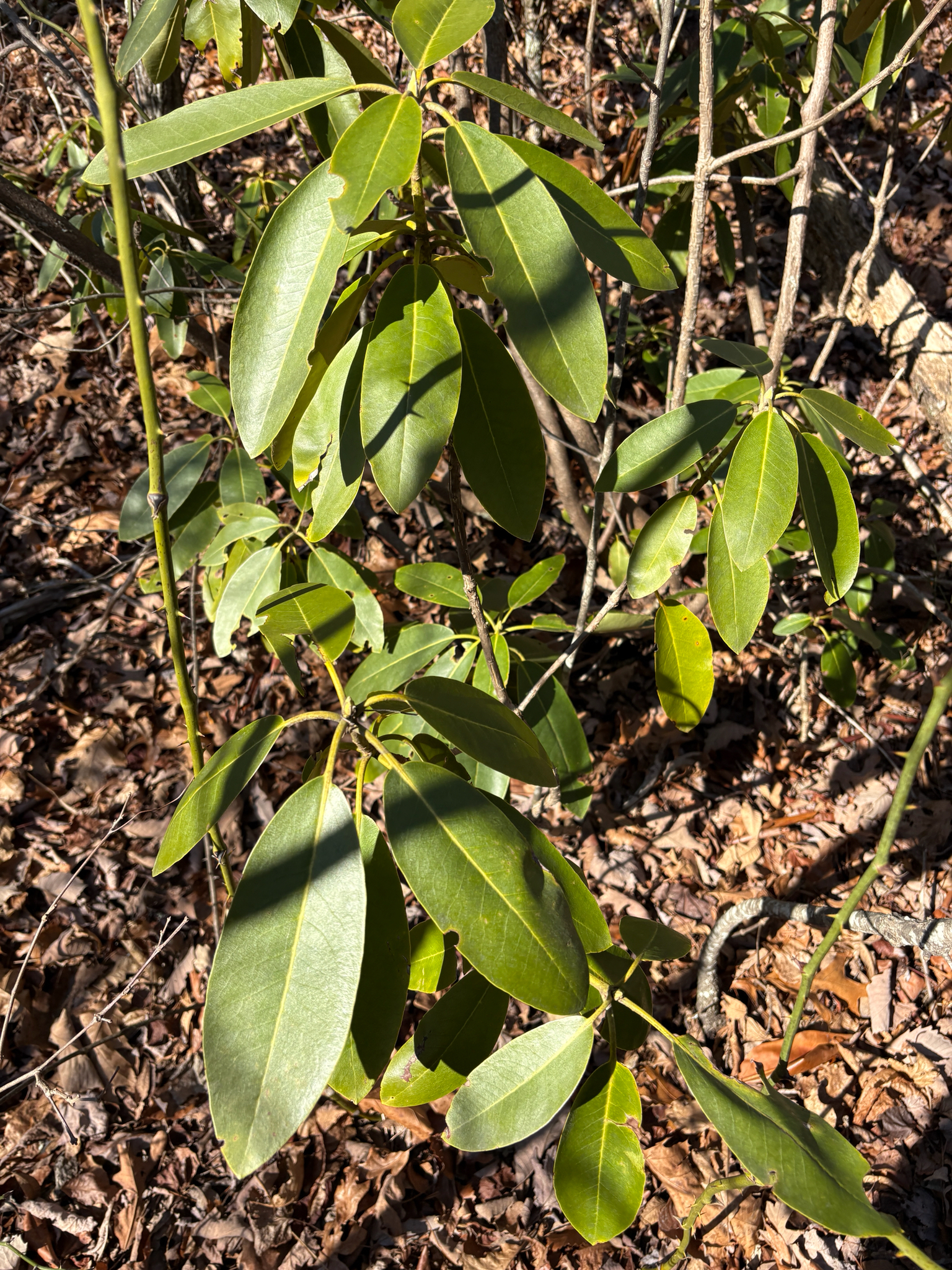
Catawba rosebay (Rhododendron catawbiense)
Care, watering, light and tips for Catawba rosebay on Floravia.
Quick facts
- Family: Ericaceae
- Difficulty: Demanding
- Watering: every 4 days
- Light: Partial shade
- Temperature: 10–30 °C
- Toxicity: Toxic to pets
About Catawba rosebay
Rhododendron catawbiense, also known as Catawba rhododendron or parkrhododendron, is a robust, broadleaf evergreen shrub native to the southeastern United States. It is renowned for its large, showy, bell-shaped flowers that appear in spring in shades of lilac, purple, pink, or white, forming dense trusses. It is ideal for creating a visual impact in woodland gardens, border plantings, or as an ornamental plant in parks, adding both color and structure.
Native range
Appalachian Mountains, southeastern United States
Care tips
This plant thrives in partial shade or filtered light; direct afternoon sun can scorch its leaves. It requires an acidic (pH 4.5-5.5), well-drained soil rich in organic matter, so avoiding alkaline soils is crucial. Watering should be regular, keeping the substrate moist but not waterlogged, especially during dry periods and before flowering. A common mistake is planting it in heavy or alkaline soil, which can lead to chlorosis and poor growth.
How to save a dying Catawba rosebay
- Warning signs
- Yellowish or brown leaves, wilting despite moist soil, buds failing to open or dropping.
- First aid
- Check soil pH (must be acidic). Water with lime-free water. Protect from intense direct sun and wind.
- What kills it
- Alkaline soil, too much lime in water, waterlogging or extreme drought, strong direct sun, late frosts.
- Can it be saved?
- Yes, if roots are not completely rotted or dry. Act quickly by correcting pH and watering.