Cornish heath (Erica vagans)
Care, watering, light and tips for Cornish heath on Floravia.
Quick facts
- Family: Ericaceae
- Difficulty: Moderate care
- Watering: every 3 days
- Light: Partial shade
- Temperature: 10–30 °C
About Cornish heath
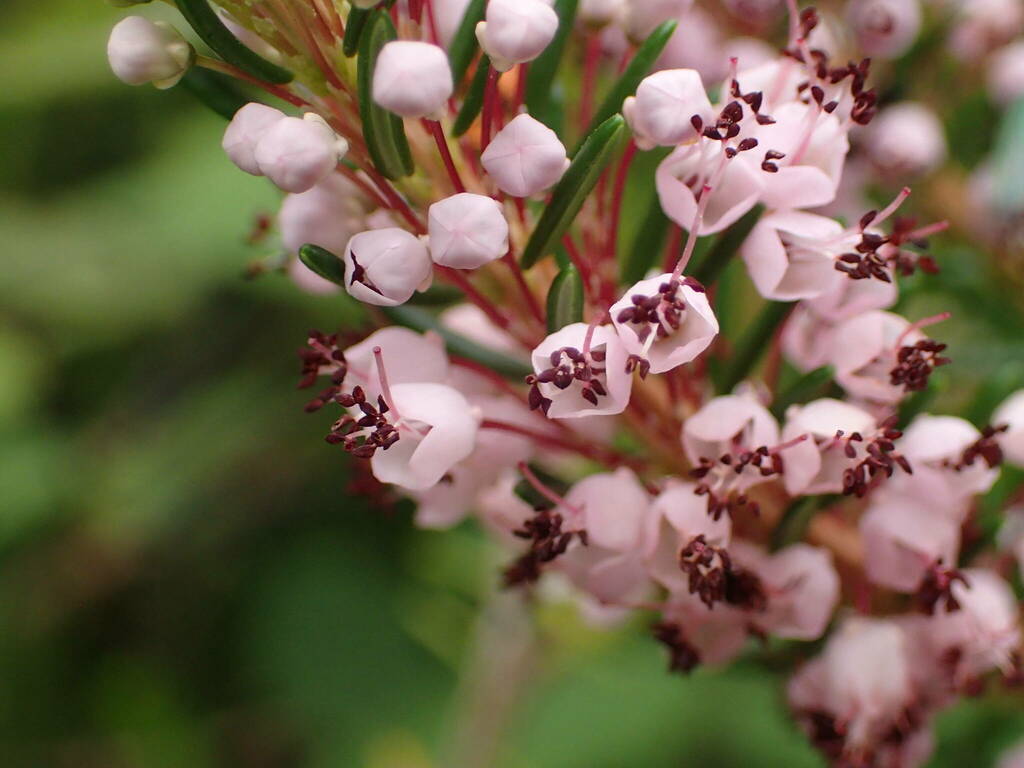
Erica vagans, commonly known as Cornish Heath, is a low-growing evergreen shrub that forms dense mounds. Its small, needle-like leaves and abundant clusters of flowers, ranging from white to pinkish-purple, make it ideal for rock gardens, borders, or as ground cover in coastal landscapes. Its extended blooming period, from late summer into autumn, provides welcome color when other plants are fading.
Native range
Western Europe, specifically on the Atlantic coasts from southwestern Great Britain to northwestern Spain and Portugal.
Care tips
It thrives in full sun for optimal flowering, though it tolerates some partial shade. It requires acidic, well-drained soil with good organic content; avoid alkaline soils at all costs, as it is very sensitive to them. Water regularly during dry spells, especially in its first year, but allow the substrate to dry out slightly between waterings to prevent waterlogging. A common mistake is planting it in calcareous soils, which will lead to chlorosis and poor growth.
How to save a dying Cornish heath
- Warning signs
- Yellowish or brown leaves, general wilting, leaf drop.
- First aid
- Check pH (must be acidic). Repot into acidic substrate if needed. Ensure good drainage and constant moisture without waterlogging.
- What kills it
- Alkaline or compacted soil, over/underwatering, nutrient-poor soils for acid-lovers.
- Can it be saved?
- Yes, if soil pH is corrected and watering/drainage are adjusted promptly.