Bell heather (Erica cinerea)
Care, watering, light and tips for Bell heather on Floravia.
Quick facts
- Family: Ericaceae
- Difficulty: Moderate care
- Watering: every 3 days
- Light: Partial shade
- Temperature: 10–30 °C
- Toxicity: Toxic to pets
About Bell heather
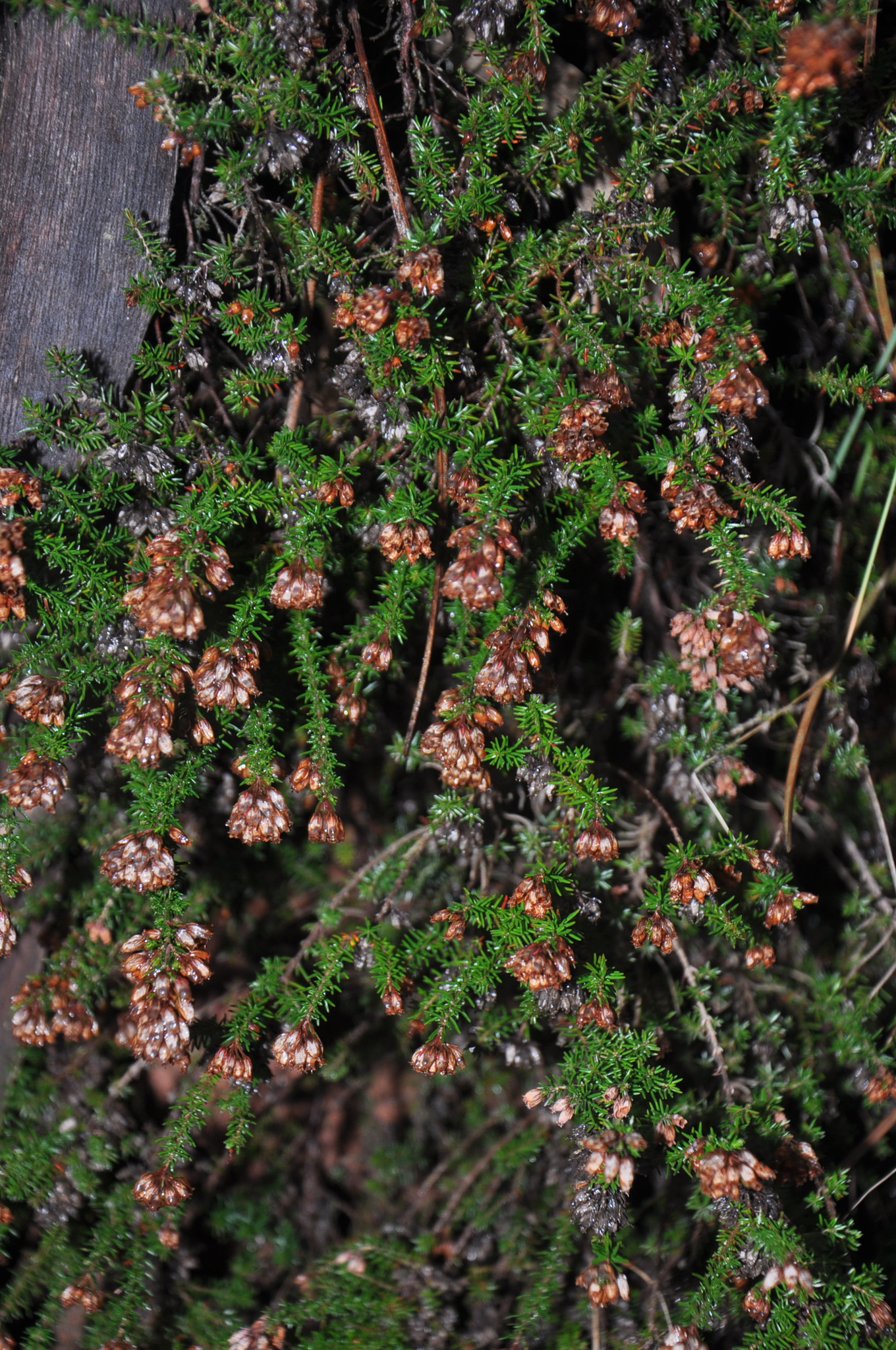
Erica cinerea, commonly known as Bell Heather or Grau-Heide, is a low-growing perennial shrub native to western Europe. It is notable for its dense spikes of bell-shaped, purple-pink to white flowers that bloom profusely in summer. It is ideal for rockeries, heather gardens, and as ground cover in acidic soils.
Native range
Western Europe, from Norway to Spain and Portugal
Care tips
It requires full sun or light partial shade for optimal flowering. Watering should be moderate, keeping the substrate moist but not waterlogged, especially during dry periods. It needs acidic, well-drained soil rich in organic matter, avoiding alkaline substrates which can be lethal. A common mistake is planting it in high pH soils, which causes chlorosis and decline.
How to save a dying Bell heather
- Warning signs
- Wilting, browning, and dropping leaves, usually starting from the base. The plant looks limp and lacks vigor.
- First aid
- Check drainage and substrate moisture. If dry, water deeply. If waterlogged, repot into fresh, well-draining substrate. Place in semi-shade, protected from direct sun.
- What kills it
- Excessive lime in water or alkaline substrate, insufficient watering, or conversely, constant waterlogging that rots the roots. Lack of light or intense direct sun.
- Can it be saved?
- Yes, if the roots are not completely rotted or dry. Act quickly by correcting substrate pH and watering regime.