Korean rhododendron (Rhododendron yedoense)
Care, watering, light and tips for Korean rhododendron on Floravia.
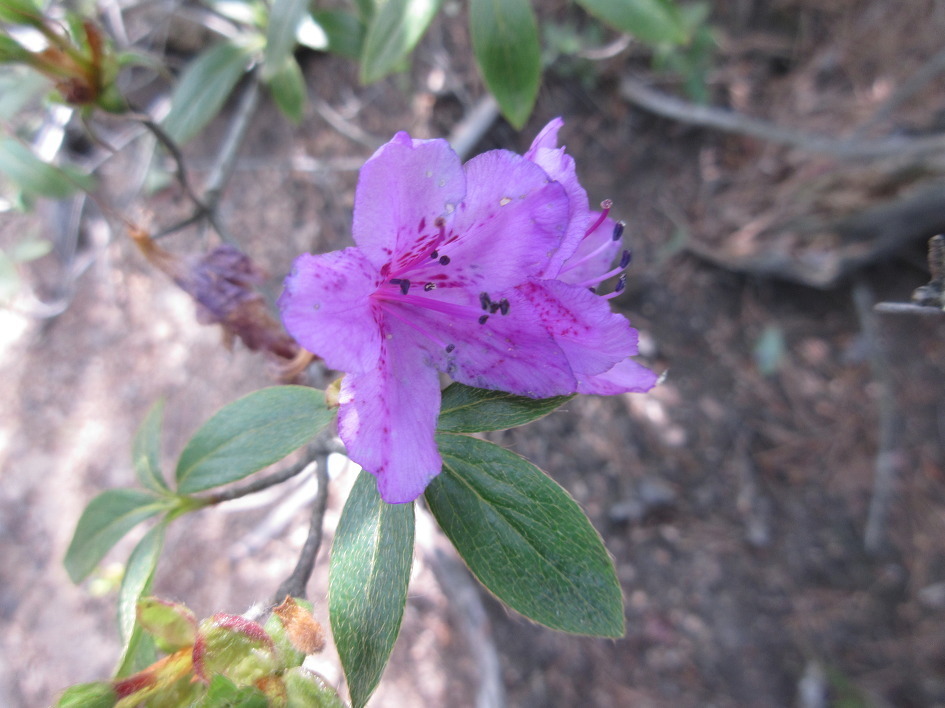
Quick facts
- Family: Ericaceae
- Difficulty: Demanding
- Watering: every 5 days
- Light: Partial shade
- Temperature: 10–30 °C
- Toxicity: Toxic to pets
About Korean rhododendron
Rhododendron yedoense, commonly known as the Edo Rhododendron, is a medium-sized deciduous shrub renowned for its spectacular spring blooms. It produces large clusters of flowers in shades ranging from pale pink to deep lavender, often with distinctive flecks. It's ideal for partial shade gardens, woodland borders, or as a striking specimen plant in large containers, bringing a vibrant burst of color.
Native range
Korean Peninsula and some Japanese islands
Care tips
It thrives in partial shade or filtered light, avoiding direct midday sun which can scorch its leaves. This rhododendron requires acidic, well-drained soil rich in organic matter; it's crucial to keep it consistently moist, but not waterlogged, especially during flowering and growth periods. Avoid planting in alkaline or heavy soils, as this is a common mistake leading to chlorosis and poor development. Protect from strong winds and late frosts.
How to save a dying Korean rhododendron
- Warning signs
- Yellow or pale leaves with green veins (chlorosis), soft or wilted shoots, bud drop.
- First aid
- Check soil pH (ideal 4.5-5.5); if high, add sulfur. Ensure good drainage and water with lime-free water.
- What kills it
- Alkaline or compacted soil, too much lime in water, waterlogging or extreme drought.
- Can it be saved?
- Yes, if you act quickly to correct pH and watering. Repot into acidic substrate if soil is beyond repair.