Mediterranean heath (Erica multiflora)
Care, watering, light and tips for Mediterranean heath on Floravia.
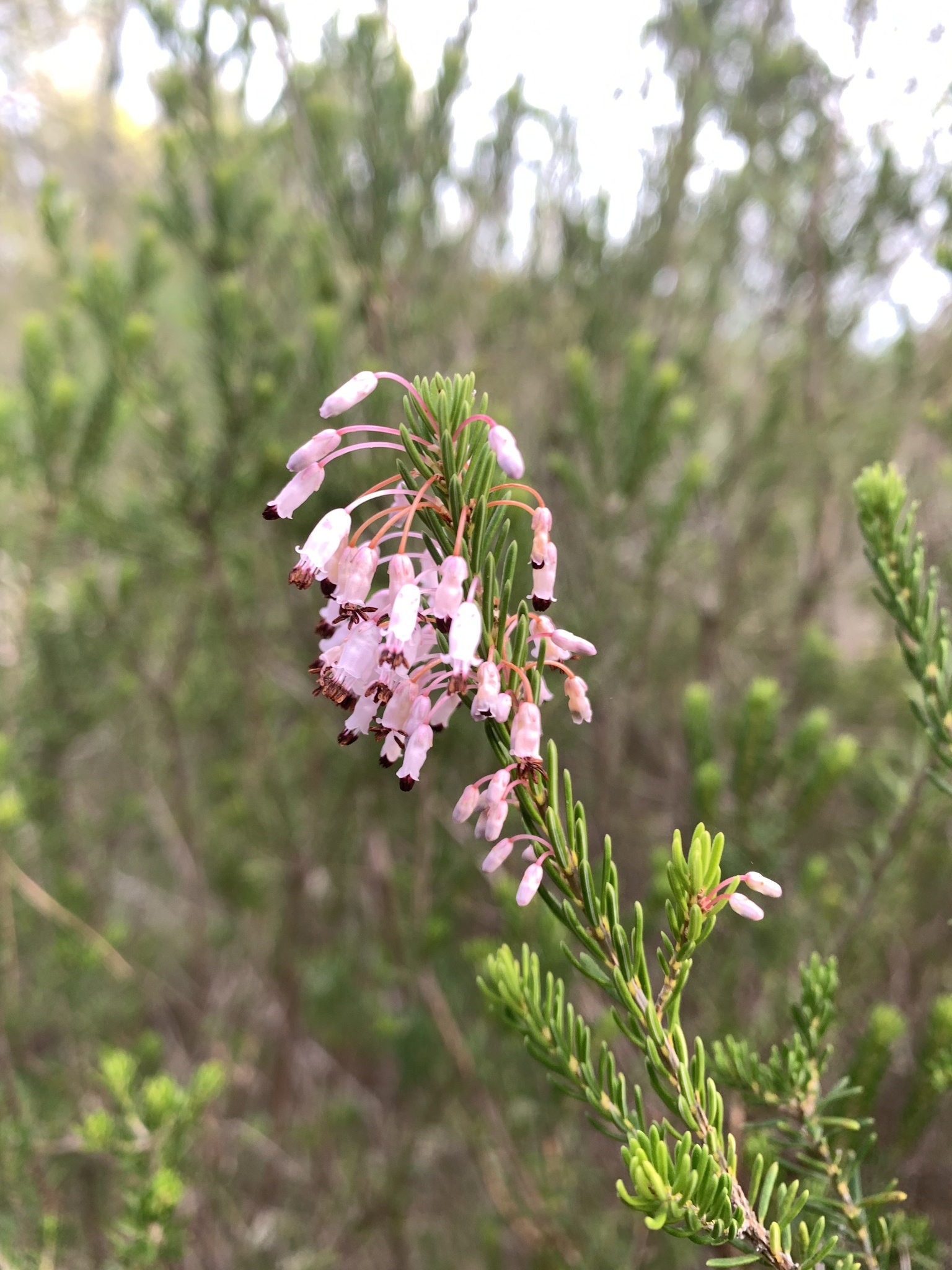
Quick facts
- Family: Ericaceae
- Difficulty: Moderate care
- Watering: every 7 days
- Light: Partial shade
- Temperature: 10–30 °C
About Mediterranean heath
Erica multiflora, commonly known as Many-flowered Heath, is an evergreen shrub from the Ericaceae family, valued for its profuse winter blooming. Its small pink or purple flowers, clustered in dense racemes, cover the plant, creating a vibrant display of color in the garden when most other plants are dormant. It is ideal for rockeries, path edges, or as part of a low-maintenance garden with a Mediterranean flair.
Native range
Mediterranean region (Southern Europe and Northern Africa)
Care tips
This plant thrives in full sun for optimal flowering and requires an acidic, well-drained substrate, such as those formulated for ericaceous plants or azaleas. Watering should be moderate, allowing the topsoil to dry out between waterings, and more frequent in summer. Absolutely avoid calcareous soils and waterlogging, as these are the primary causes of its decline.
How to save a dying Mediterranean heath
- Warning signs
- Yellowing and dropping leaves, dry shoots, no blooms. May indicate alkaline soil or iron deficiency.
- First aid
- Repot in acidic soil (pH 4.5-6.0), rich in organic matter. Apply iron chelate. Ensure good drainage.
- What kills it
- Calcareous or alkaline soil, waterlogging, lack of direct sunlight. Does not tolerate prolonged drought.
- Can it be saved?
- Yes, if you act quickly to correct soil pH and ensure its basic light and watering needs.