Carnation (Dianthus caryophyllus)
Care, watering, light and tips for Carnation on Floravia.
Quick facts
- Family: Caryophyllaceae
- Difficulty: Moderate care
- Watering: every 7 days
- Light: Partial shade
- Temperature: 10–30 °C
- Toxicity: Toxic to pets
About Carnation
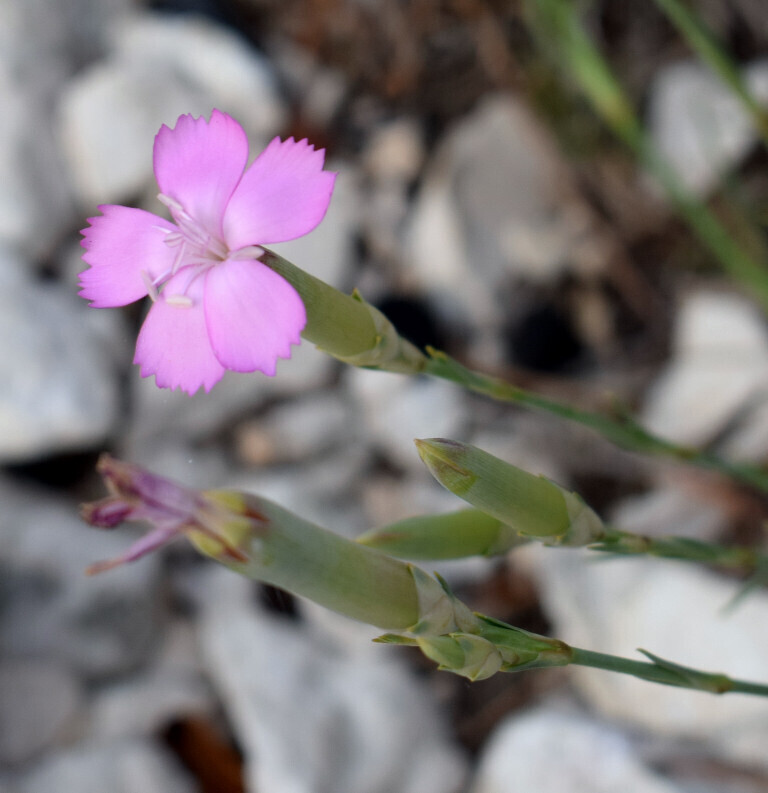
Dianthus caryophyllus, commonly known as the Carnation, is a perennial flower highly valued for its showy and fragrant blooms. Its petals are often ruffled or serrated, forming a dense flower head that comes in a wide range of colors, from pure white to intense reds, pinks, and variegated patterns. It is ideal for beautifying gardens, borders, and especially as a cut flower, adding a classic and elegant touch.
Native range
Mediterranean region
Care tips
Carnations require full sun for abundant flowering, at least 6 hours daily. Water regularly, allowing the substrate to dry slightly between waterings, avoiding waterlogging which can rot the roots. Use a well-draining, preferably alkaline substrate. A common mistake is not deadheading spent blooms, which reduces the production of new flowers.
How to save a dying Carnation
- Warning signs
- Yellowing or browning leaves, wilting or soft, unopened or rotting flowers. Poor blooming.
- First aid
- Check watering (moist but not soggy soil), prune faded flowers. Ensure good ventilation and direct light.
- What kills it
- Overwatering (root rot), lack of direct sunlight, poor or badly drained soil. It hates waterlogging!
- Can it be saved?
- Yes, if roots aren't completely rotted and green stems remain. Act fast.