Carnation (Dianthus polymorphus)
Care, watering, light and tips for Carnation on Floravia.
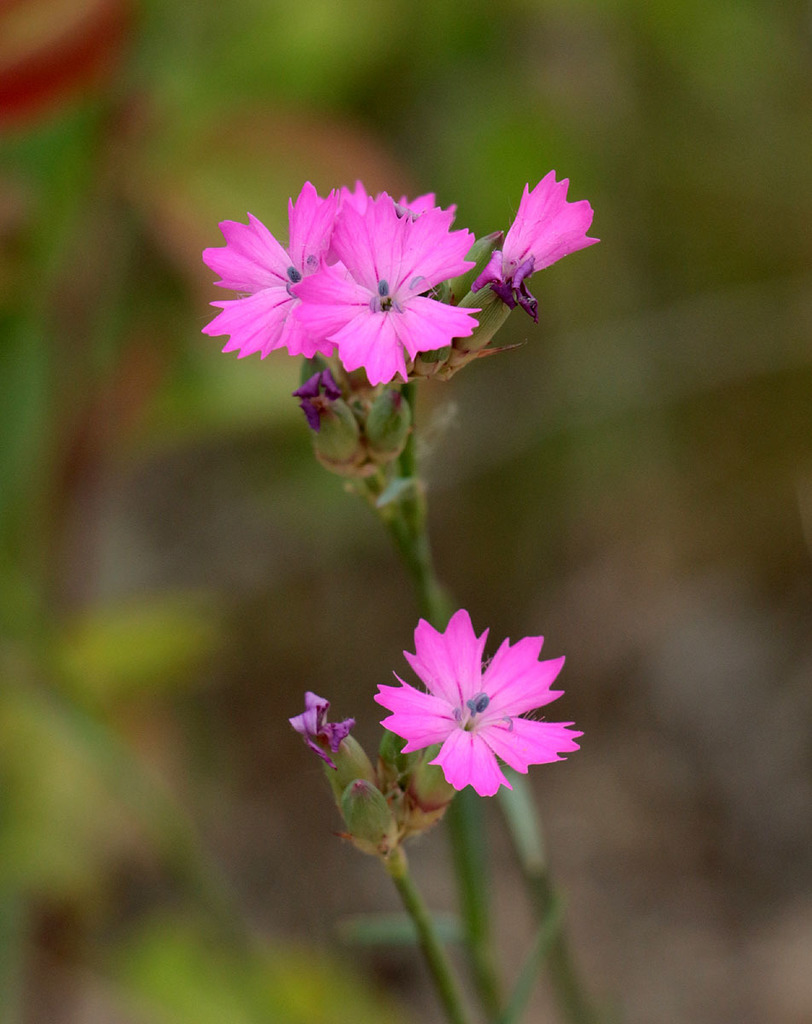
Quick facts
- Family: Caryophyllaceae
- Difficulty: Easy to care for
- Watering: every 7 days
- Light: Partial shade
- Temperature: 10–30 °C
- Toxicity: Toxic to pets
About Carnation
Dianthus polymorphus, commonly known as polymorphic pink or wild carnation, is a perennial plant from the Caryophyllaceae family, noted for its fragrant and delicate flowers. Its petals are typically pink to lilac, often with a darker center, forming a dense and attractive bloom. It is ideal for rock gardens, garden borders, or pots, adding a wild and charming touch.
Native range
Europe, especially in the south and center of the continent
Care tips
It prefers full sun exposure for abundant flowering, though it tolerates light partial shade. It requires moderate watering, allowing the substrate to dry out between waterings to prevent waterlogging, which is its main enemy. Use a well-drained, slightly alkaline or neutral substrate. Avoid over-fertilization, as it can promote foliage growth at the expense of flowering.
How to save a dying Carnation
- Warning signs
- Yellowish or brown, wilting leaves; soft or rotting stems at base; no flowering.
- First aid
- Check drainage and soil moisture. Prune damaged stems. Move to a brighter spot.
- What kills it
- Overwatering (root rot) or lack of light. Does not tolerate waterlogging or deep shade.
- Can it be saved?
- Yes, if roots aren't completely rotted. Act fast with proper watering and light.