Maltese cross (Silene chalcedonica)
Care, watering, light and tips for Maltese cross on Floravia.
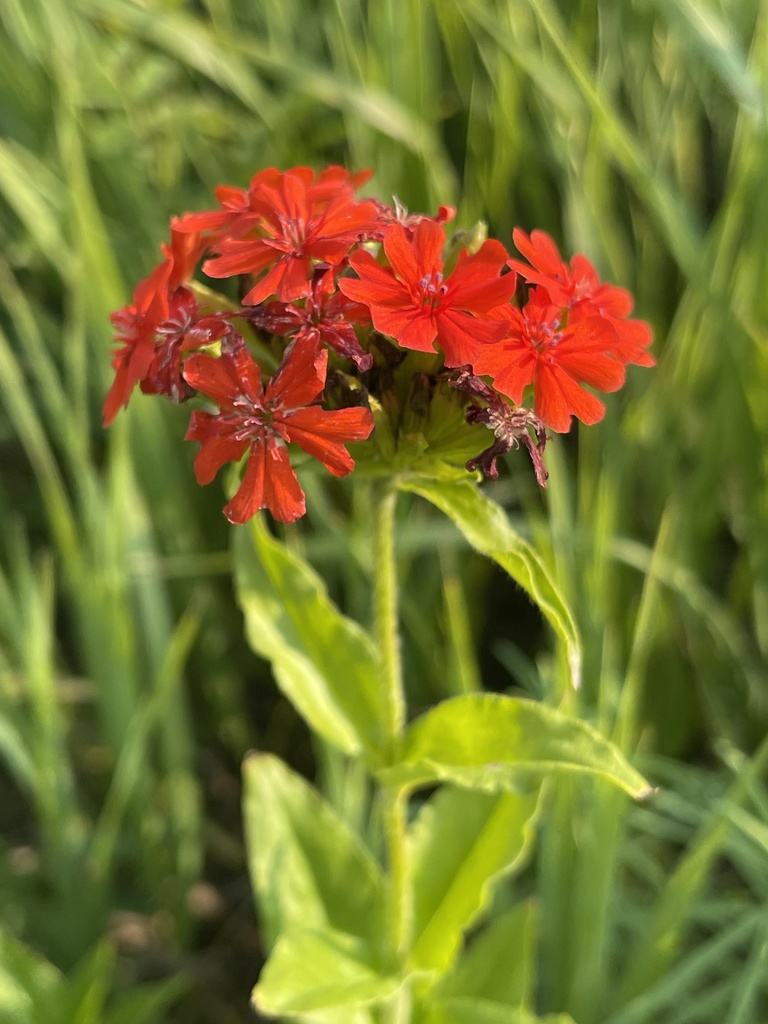
Quick facts
- Family: Caryophyllaceae
- Difficulty: Easy to care for
- Watering: every 7 days
- Light: Partial shade
- Temperature: 10–30 °C
- Toxicity: Toxic to pets
About Maltese cross
Silene chalcedonica, also known as Maltese Cross or Scarlet Lychnis, is a perennial herbaceous plant from the Caryophyllaceae family, native to Eastern Europe. Its striking, intense scarlet-red flowers, clustered in dense terminal cymes, make it a spectacular choice for garden borders, rockeries, or as a cut flower, providing a vibrant splash of color during summer.
Native range
European Russia and Southwest Asia
Care tips
This species thrives in full sun for abundant flowering, although it tolerates some partial shade in very hot climates. It requires regular watering, keeping the substrate moist but not waterlogged, especially during its blooming period. The ideal substrate is well-drained and moderately fertile. A common mistake to avoid is overwatering, which can lead to root rot.
How to save a dying Maltese cross
- Warning signs
- Wilted or yellowing leaves, soft or drooping stems, lack of flowering or wilting flowers.
- First aid
- Check drainage and soil moisture. If dry, water deeply. If waterlogged, repot into dry soil. Protect from intense direct sun if exposed.
- What kills it
- Waterlogging is its worst enemy, quickly rotting the roots. Also, too much direct sun in very hot climates can burn it.
- Can it be saved?
- Yes, if the roots are not completely rotted and the cause is corrected in time. Recovery can be slow, but it is possible.