Gypsophila (Gypsophila robusta)
Care, watering, light and tips for Gypsophila on Floravia.
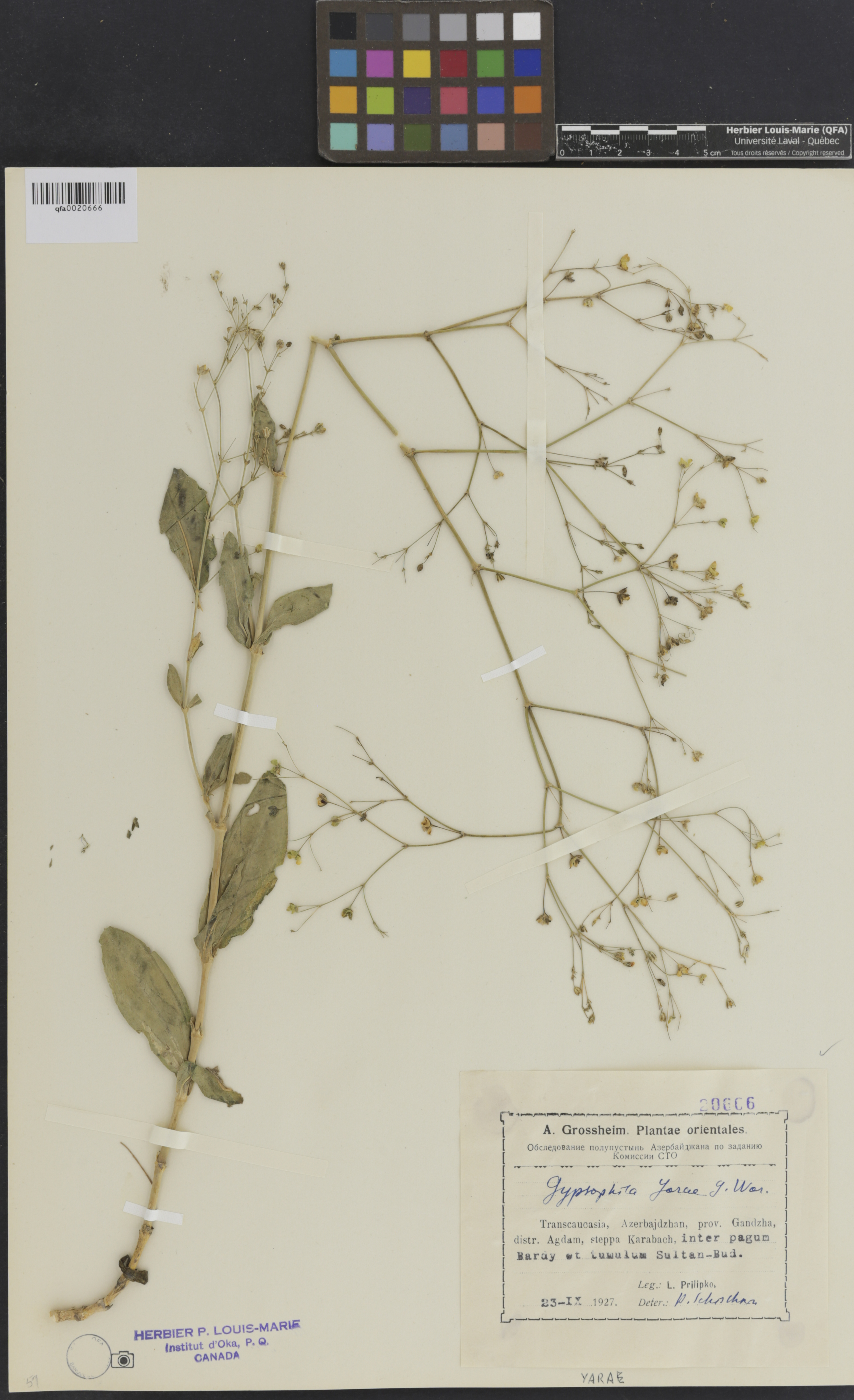
Quick facts
- Family: Caryophyllaceae
- Difficulty: Easy to care for
- Watering: every 7 days
- Light: Partial shade
- Temperature: 10–30 °C
- Toxicity: Toxic to pets
About Gypsophila
Gypsophila robusta, known as 'Robust Chalk Plant', is a perennial plant from the Caryophyllaceae family, prized for its abundant bloom of small white flowers. It forms a dense, rounded mound, ideal for rockeries, garden borders, or as a filler in floral arrangements, adding an ethereal and delicate touch. Its name 'robusta' refers to its size and vigor compared to other gypsophilas, creating a 'cloud' of flowers effect.
Native range
Spain and Portugal
Care tips
It requires full sun exposure for optimal flowering, although it tolerates light partial shade in very hot climates. Watering should be moderate, allowing the substrate to dry out between waterings to prevent waterlogging, to which it is very sensitive. It prefers well-drained, calcareous or neutral soils, and does not need much fertilization. A common mistake is overwatering or planting it in heavy, clayey soils, which can lead to root rot.
How to save a dying Gypsophila
- Warning signs
- Yellowing or browning leaves, general wilting, soft and blackened stems from the base.
- First aid
- Remove plant from pot, inspect roots (if soft or black, prune). Replace with well-draining substrate; don't water until topsoil is dry.
- What kills it
- Overwatering is its main enemy, causing root rot. Also lack of direct light or heavy soil.
- Can it be saved?
- Yes, if rot isn't too advanced and some root system is healthy. Act quickly.