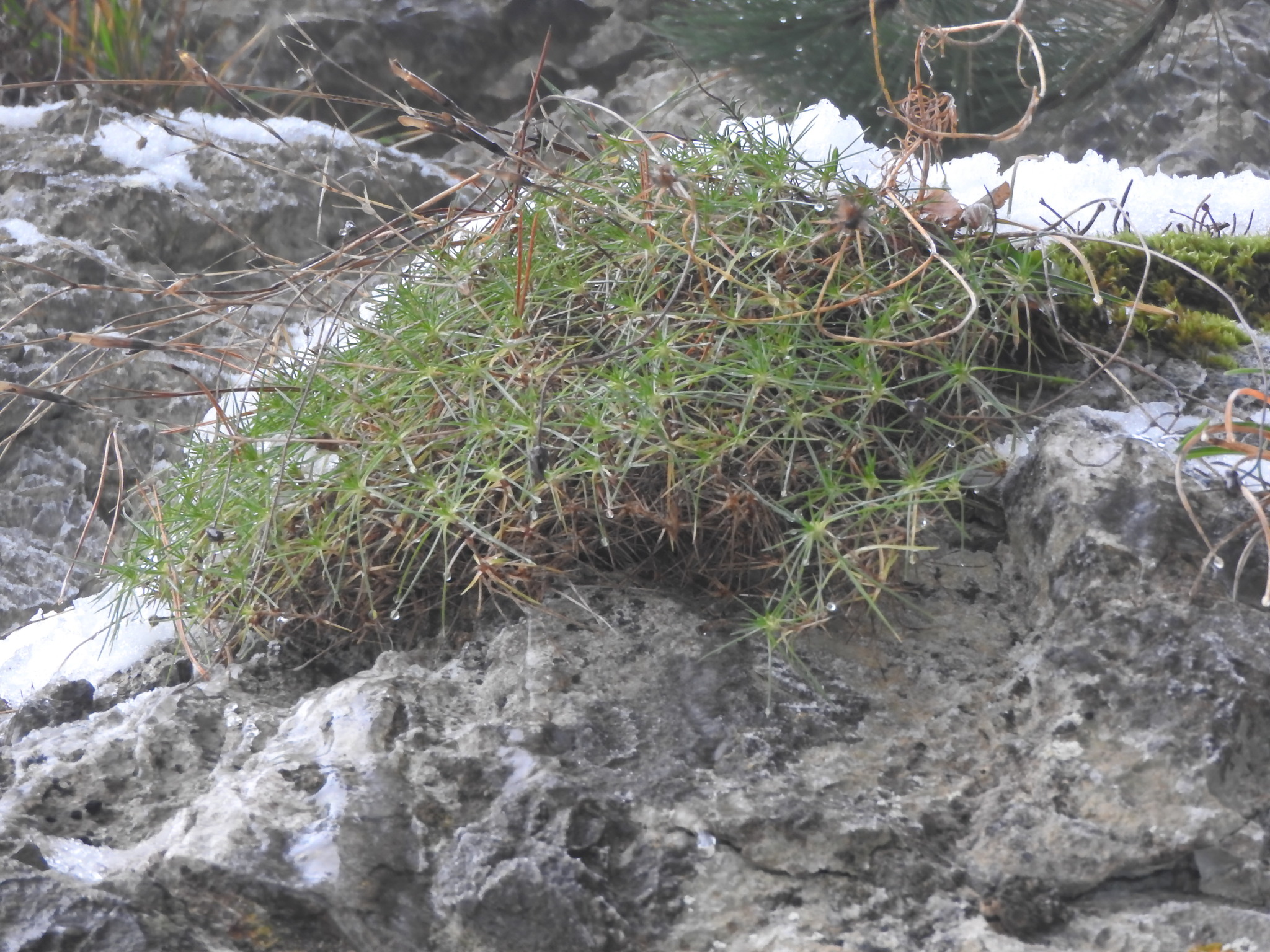
Cheddar pink (Dianthus praecox)
Care, watering, light and tips for Cheddar pink on Floravia.
Quick facts
- Family: Caryophyllaceae
- Difficulty: Easy to care for
- Watering: every 7 days
- Light: Partial shade
- Temperature: 10–30 °C
- Toxicity: Toxic to pets
About Cheddar pink
Dianthus praecox, commonly known as early pink, is a low-growing perennial herb that forms dense mats of blue-green foliage. Its small, often fragrant flowers appear in a profusion of colors ranging from white to deep pink, blooming abundantly in early spring. It is ideal for rock gardens, path edges, or as ground cover in sunny gardens, adding a vibrant splash of color.
Native range
Central and Eastern Europe
Care tips
It requires full sun for optimal flowering and prefers well-drained, slightly alkaline soils. Watering should be moderate, allowing the substrate to dry out between waterings to avoid waterlogging, to which it is very sensitive. A common mistake is overwatering, which can lead to root rot. Deadhead spent blooms to encourage continuous flowering.
How to save a dying Cheddar pink
- Warning signs
- Yellowish or brown, wilted, listless leaves. Lack of flowering or premature wilting. Stem base rot.
- First aid
- Remove dead flowers and leaves. Check drainage. If rotting, cut affected parts and repot in fresh, well-draining soil. Water sparingly.
- What kills it
- Overwatering and poor drainage cause root rot. Lack of direct sunlight and planting in heavy, clayey soils are also fatal.
- Can it be saved?
- Yes, if you act quickly. Good drainage and proper watering are key. Ensure direct sun and prune damaged parts to encourage new growth.