Organ pipe cactus (Stenocereus thurberi)
Care, watering, light and tips for Organ pipe cactus on Floravia.
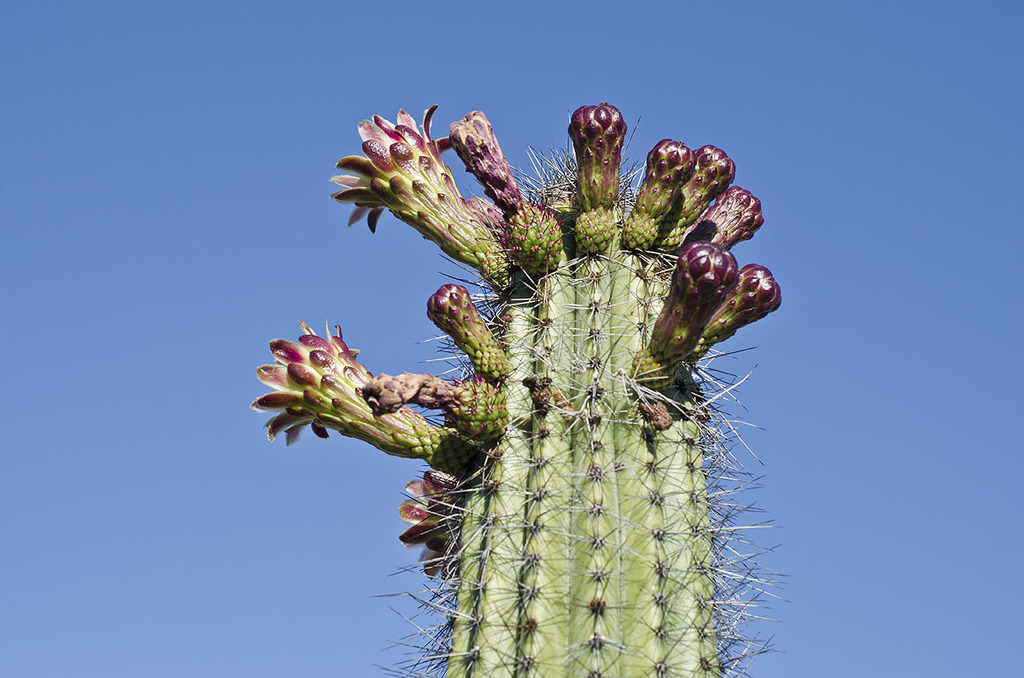
Quick facts
- Family: Cactaceae
- Difficulty: Easy to care for
- Watering: every 21 days
- Light: Full sun
- Temperature: 10–40 °C
About Organ pipe cactus
Stenocereus thurberi, commonly known as the Organ Pipe Cactus, is an impressive branching columnar cactus that forms multiple upright stems, resembling organ pipes. Its blue-green stems, with prominent ribs, can reach considerable heights, creating a majestic silhouette. It is ideal for desert gardens, xeriscaping, and as a focal point in arid landscapes, adding a sculptural and dramatic presence.
Native range
Southwestern United States (Arizona) and northwestern Mexico (Sonora and Baja California)
Care tips
It requires full sun for optimal growth and abundant flowering; partial shade can result in etiolated stems. Watering should be infrequent, allowing the substrate to dry out completely between waterings, especially in winter to prevent root rot. Use a very well-draining substrate, specific for cacti and succulents. A common mistake is overwatering, which is the leading cause of death for this drought-tolerant cactus.
How to save a dying Organ pipe cactus
- Warning signs
- Soft, discolored (yellow/dark brown) stems, rotting base, moist black spots. Soft or absent roots.
- First aid
- Stop watering. Remove from substrate. Inspect roots and stem, cut rotten parts with sterilized tool until healthy tissue. Air dry for 1-2 weeks to callus.
- What kills it
- Overwatering, especially in winter or with water-retentive soil. Organ pipe cactus is highly susceptible to root rot.
- Can it be saved?
- Yes, if rot hasn't reached most of the main stem. The key is acting fast to stop its spread.