Pilosocereus brasiliensis
Care, watering, light and tips for Pilosocereus brasiliensis on Floravia.
Quick facts
- Family: Cactaceae
- Difficulty: Easy to care for
- Watering: every 15 days
- Light: Full sun
- Temperature: 10–40 °C
About Pilosocereus brasiliensis
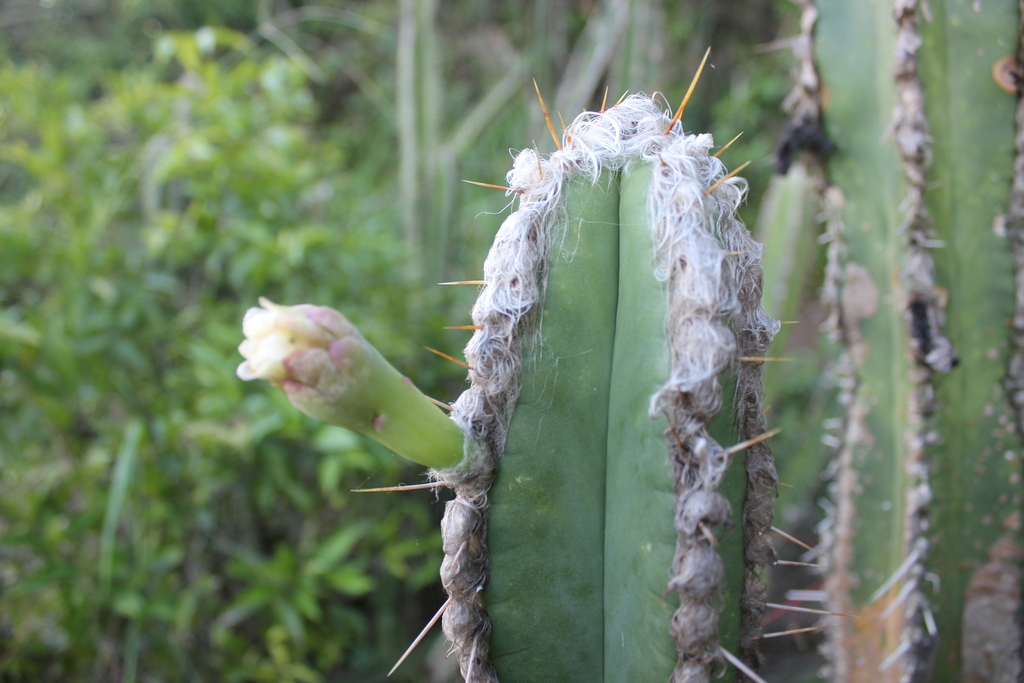
Pilosocereus brasiliensis, also known as Jamacaru-verde-de-pelos-brancos, is an imposing columnar cactus native to Brazil, capable of reaching significant heights. It is distinguished by its bluish-green stems covered with short spines and, in the areoles of the fertile areas (cephalium), by a dense mass of white, silky hairs. This plant is ideal for cactus gardens, xeriscaping, or as a focal point in arid and subtropical landscapes.
Native range
Northeastern Brazil
Care tips
It requires full sun for optimal growth and abundant flowering, although it toler tolerates some partial shade in very hot climates. Watering should be moderate during the growing season (spring-summer), allowing the substrate to dry out completely between waterings, and almost none in winter to prevent rot. Use a very well-draining substrate, specific for cacti and succulents, with a good proportion of coarse sand and inert materials. By all means, avoid excess moisture and waterlogging, as it is the most common cause of problems and death in this species.
How to save a dying Pilosocereus brasiliensis
- Warning signs
- Soft, dark base (rot), dehydrated, wrinkled stem (extreme underwatering), dry brown spots (sunburn).
- First aid
- If rot, cut affected part with clean knife. Repot in well-draining substrate and water moderately.
- What kills it
- Overwatering is fatal for mandacarú, especially in winter. Also extreme cold and poor soil.
- Can it be saved?
- Yes, if rot is not too advanced or dehydration hasn't affected the entire stem. Act quickly.