Moonflower (Selenicereus monacanthus)
Care, watering, light and tips for Moonflower on Floravia.
Quick facts
- Family: Cactaceae
- Difficulty: Moderate care
- Watering: every 10 days
- Light: Full sun
- Temperature: 10–40 °C
About Moonflower
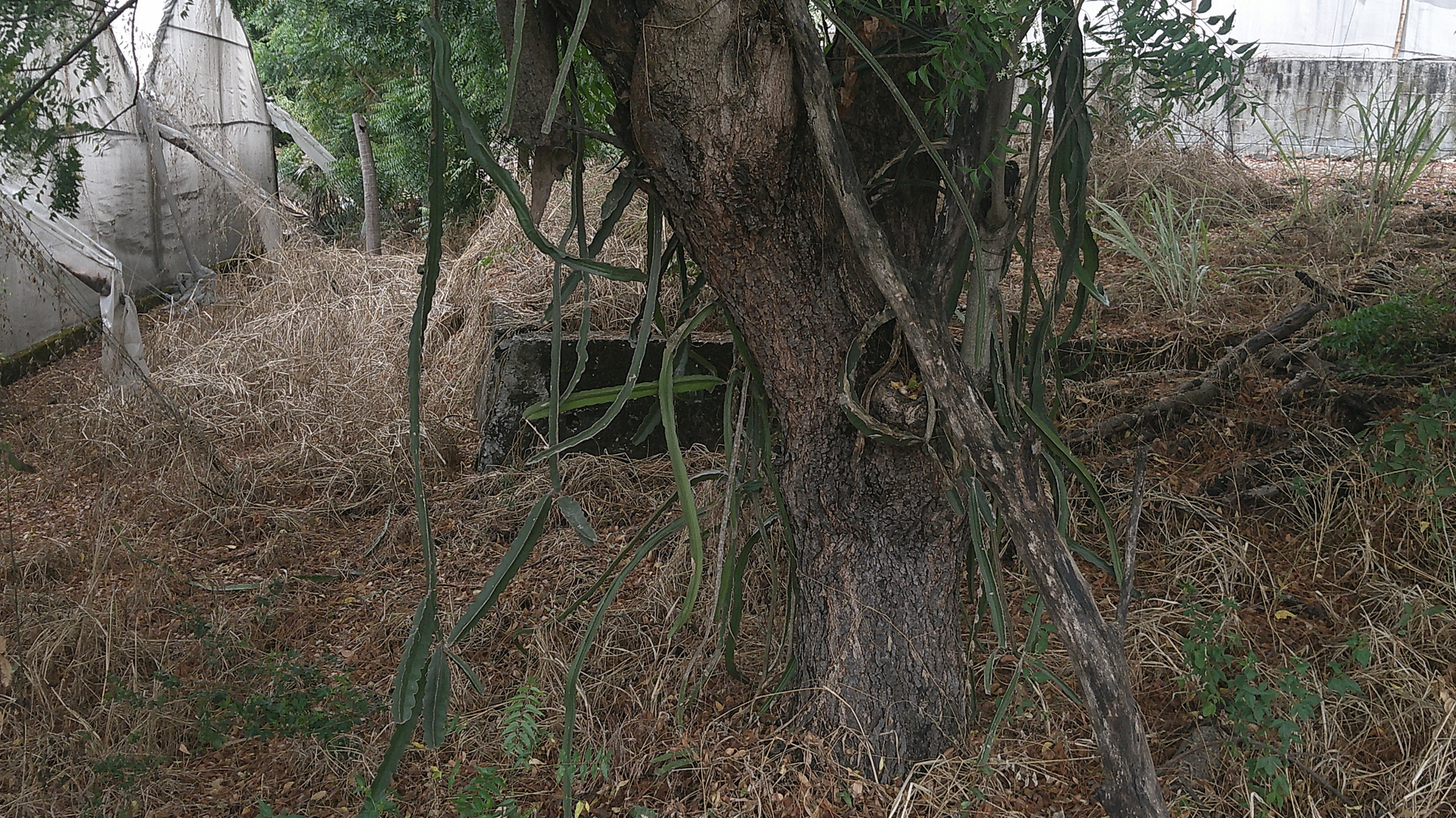
Selenicereus monacanthus, commonly known as Nightblooming Cereus, is an epiphytic or lithophytic cactus with long, segmented, trailing stems. Its impressive, fragrant white flowers open only at night, attracting nocturnal pollinators. It's an excellent choice for hanging baskets or as a climbing plant over structures in warm climates, bringing an exotic and mysterious touch to gardens and patios.
Native range
South America, including Brazil, Paraguay, Uruguay and Argentina.
Care tips
It requires bright, indirect light, avoiding direct midday sun exposure which can scorch its stems. Water thoroughly when the substrate is dry to the touch, reducing watering in winter; it is crucial to avoid waterlogging to prevent root rot. Use a well-draining substrate, specific for cacti or an orchid mix with perlite and bark. A common mistake is not providing adequate support for it to climb or trail, which limits its natural growth and flowering.
How to save a dying Moonflower
- Warning signs
- Soft, yellowing or black stems at base; excessive wrinkling not recovering with watering.
- First aid
- Remove plant, inspect roots. Cut soft/black parts with sterile tool. Let dry 2-3 days before repotting in new, dry substrate.
- What kills it
- Overwatering, especially in winter. Substrate retaining too much moisture is lethal.
- Can it be saved?
- Yes, if rot hasn't affected the entire base. Act quickly by cutting damaged parts.