Chenopodium vulvaria
Care, watering, light and tips for Chenopodium vulvaria on Floravia.
Quick facts
- Family: Amaranthaceae
- Difficulty: Easy to care for
- Watering: every 7 days
- Light: Partial shade
- Temperature: 10–30 °C
- Toxicity: Toxic to pets
About Chenopodium vulvaria
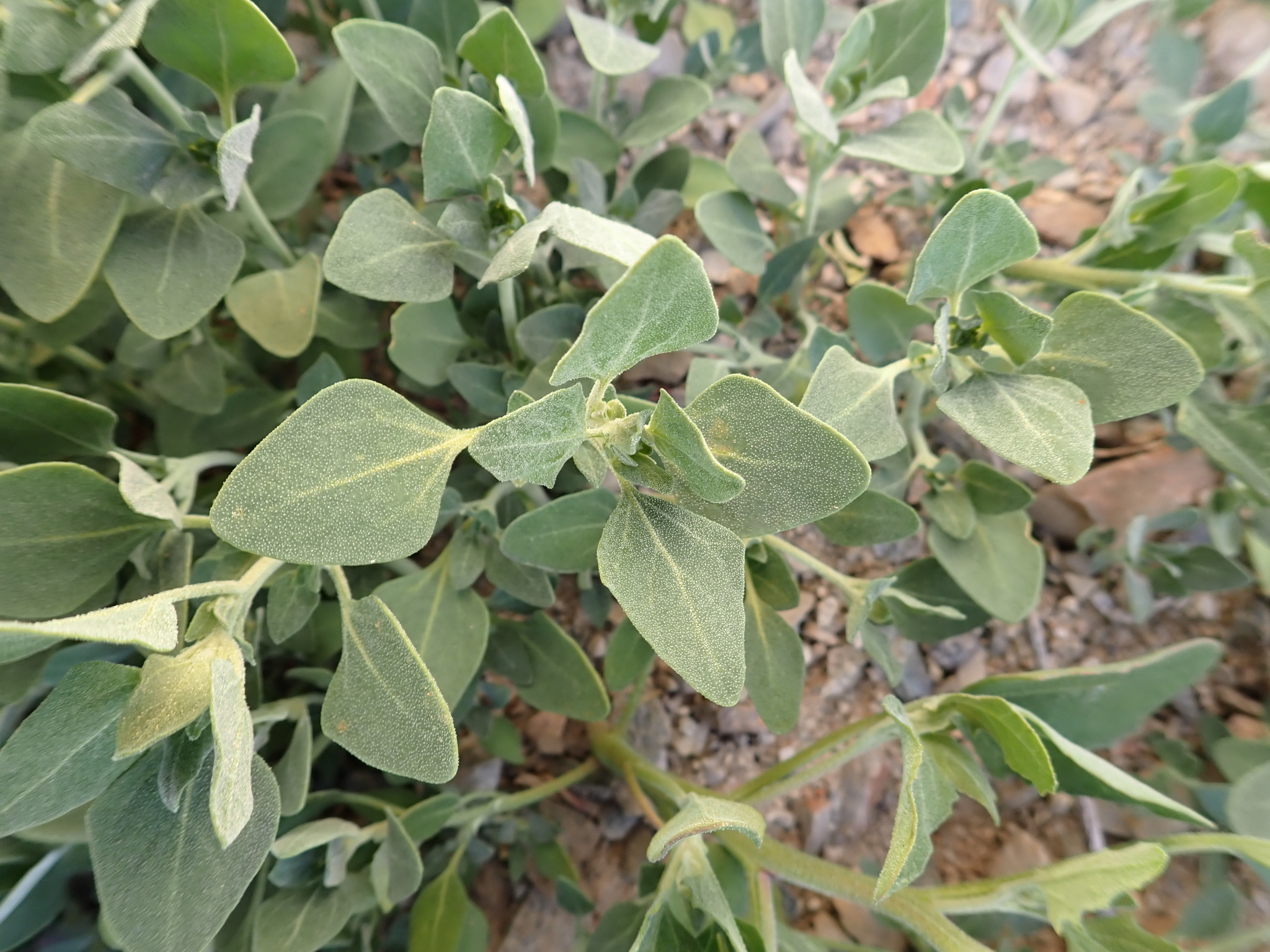
Chenopodium vulvaria, commonly known as stinking goosefoot, is an annual herbaceous plant belonging to the Amaranthaceae family, notable for its distinctive and strong fishy odor, especially when crushed. Its leaves are rhombic to ovate, grayish-green, and its small greenish flowers are arranged in compact spikes. Although its aroma makes it unsuitable for ornamental gardens, it is an interesting species for botanical studies or medicinal plant collections if its peculiar fragrance can be tolerated.
Native range
Europe and temperate Asia
Care tips
This plant is undemanding and thrives in a wide range of conditions. It prefers full sun to partial shade and well-drained soils, even poor or disturbed ones. Watering should be moderate, allowing the substrate to dry out between waterings, as it is drought-tolerant. Avoid excessive moisture, which could rot its roots, and be mindful of its strong odor when choosing its location.
How to save a dying Chenopodium vulvaria
- Warning signs
- Wilted, yellowing, or spotted leaves, stronger foul odor than usual.
- First aid
- Move to a well-ventilated spot with filtered sun. Check soil moisture, water if dry. Remove severely damaged parts.
- What kills it
- Excessive moisture or deep shade. Does not tolerate waterlogging or lack of light.
- Can it be saved?
- Yes, it's a resilient plant. Act fast if you see wilting or rot at the base.