Quinoa (Chenopodium quinoa)
Care, watering, light and tips for Quinoa on Floravia.
Quick facts
- Family: Amaranthaceae
- Difficulty: Moderate care
- Watering: every 3 days
- Light: Partial shade
- Temperature: 10–30 °C
About Quinoa
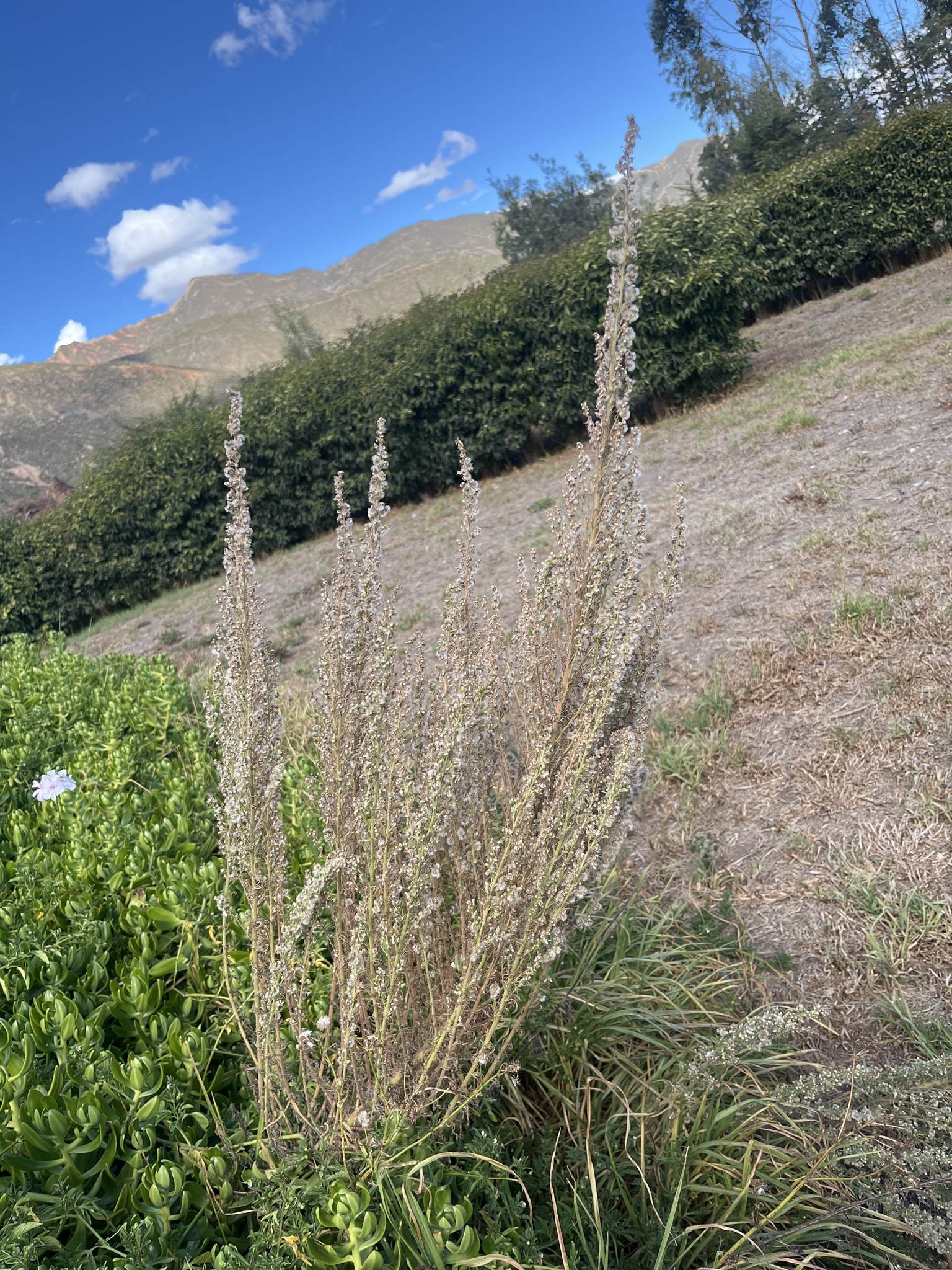
Chenopodium quinoa, commonly known as quinoa, is an Andean pseudocereal prized for its nutritious seeds. It is an annual herbaceous plant that can reach heights of 1 to 2 meters, featuring lobed leaves and flower panicles that produce the characteristic seeds. Ideal for vegetable gardens, edible landscapes, or even as an attractive backdrop in sunny gardens, adding textural interest and a touch of color with its seed heads that can vary in hues.
Native range
Andean region of South America, including countries like Peru, Bolivia, Ecuador, and Colombia.
Care tips
Quinoa thrives in full sun (at least 6 hours daily) and prefers temperate to cool climates, although it can tolerate light frosts. It requires regular and moderate watering, especially during flowering and seed development, avoiding waterlogging. The ideal substrate is well-drained, slightly acidic to neutral, with good organic matter. A common mistake is planting too late in warm climates, which can cause the plant to flower prematurely and produce few seeds.
How to save a dying Quinoa
- Warning signs
- Yellowish or reddish leaves, general wilting, stunted growth, stem base rot.
- First aid
- Check drainage, reduce watering if waterlogged, or increase if very dry. Place in full sun, protect from frost.
- What kills it
- Overwatering causing root rot; lack of sun; compacted or nutrient-poor soils.
- Can it be saved?
- Yes, if you act fast. Adjust watering and sun exposure. Improve soil with organic matter.