Palmer's celosia (Celosia palmeri)
Care, watering, light and tips for Palmer's celosia on Floravia.
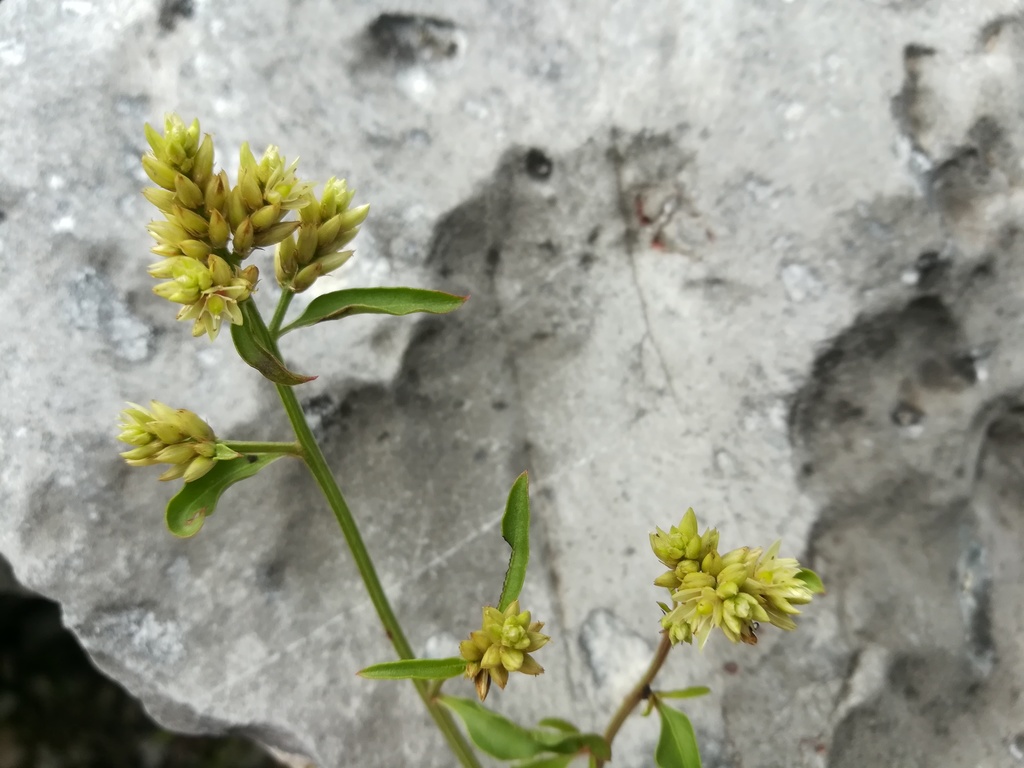
Quick facts
- Family: Amaranthaceae
- Difficulty: Easy to care for
- Watering: every 3 days
- Light: Partial shade
- Temperature: 10–30 °C
- Toxicity: Toxic to pets
About Palmer's celosia
Celosia palmeri, also known as Palmer's cockscomb, is an annual plant native to Mexico, valued for its vibrant, velvety inflorescences resembling a rooster's comb. Its flowers, which can be red, orange, or yellow, make it an excellent choice for borders, pots, and as a cut flower in arrangements, adding an exotic and colorful touch to any garden or interior.
Native range
Mexico
Care tips
It requires full sun for abundant flowering and well-drained soil, preferably sandy or with good organic matter content. Watering should be regular, keeping the substrate moist but not waterlogged, especially during flowering periods. Avoid excessive nitrogen fertilization, as it can promote foliage growth at the expense of flowers. A common mistake is not deadheading spent blooms, which can reduce the production of new flowers.
How to save a dying Palmer's celosia
- Warning signs
- Wilting or yellowing leaves, flowers losing vibrant color and drying prematurely. Plant appears limp and lacks vigor.
- First aid
- Check soil moisture. If very dry, water thoroughly. If waterlogged, stop watering and improve drainage. Move to bright, indirect light.
- What kills it
- Extreme over or under-watering. Also, frost exposure or intense, prolonged direct sun that burns its delicate leaves.
- Can it be saved?
- Yes, if roots aren't rotted or completely dry. Act quickly by correcting watering and sun exposure.