Red amaranth (Amaranthus cruentus)
Care, watering, light and tips for Red amaranth on Floravia.
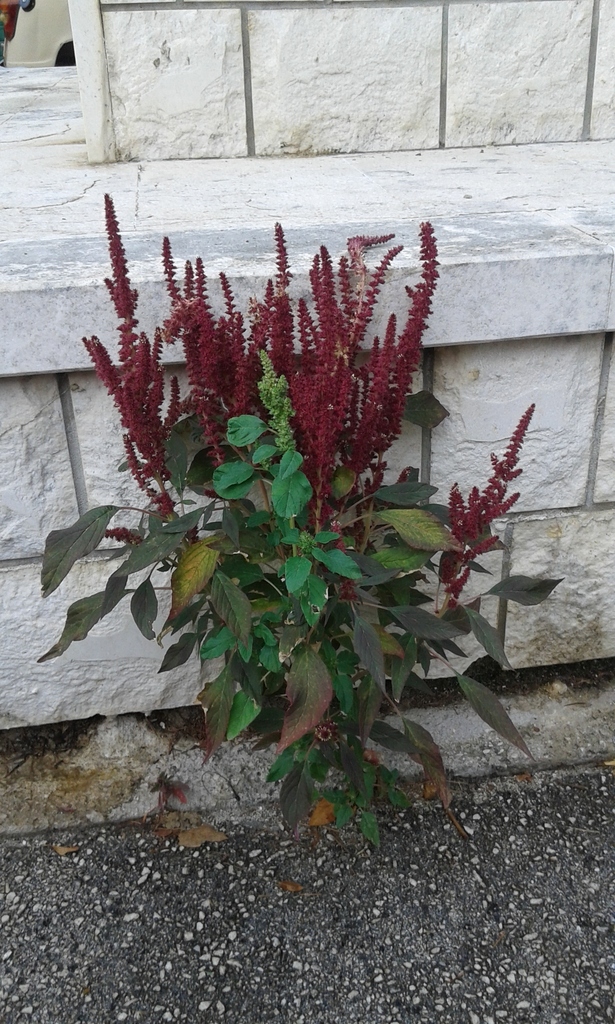
Quick facts
- Family: Amaranthaceae
- Difficulty: Easy to care for
- Watering: every 5 days
- Light: Partial shade
- Temperature: 10–30 °C
About Red amaranth
Amaranthus cruentus, commonly known as Red Amaranth or 'Wild Amaranth', is a striking annual plant from the Amaranthaceae family, valued for its vibrant deep red or purple inflorescences and edible foliage. Its tall, branched flower spikes, which can reach up to 2 meters in height, add a spectacular vertical and colorful touch to cottage gardens, mixed borders, or as part of dried flower arrangements. It's an excellent choice for attracting pollinators and for ornamental vegetable gardens.
Native range
Central and South America
Care tips
Red Amaranth thrives in full sun, requiring at least 6 hours daily for vigorous growth and abundant flowering. It prefers well-drained, fertile soils rich in organic matter, although it is quite tolerant of different soil types. Watering should be regular, keeping the substrate moist but not waterlogged, especially during dry periods. A common mistake is planting it in partial shade, which results in leggy growth and poor flowering.
How to save a dying Red amaranth
- Warning signs
- Drooping, wilting leaves, generalized yellowing, stunted growth. Brown spots may appear with water stress.
- First aid
- Check soil moisture. If dry, water deeply. If waterlogged, aerate soil and reduce watering. Ensure good indirect light.
- What kills it
- Overwatering (root rot) or prolonged drought (dies quickly). Lack of adequate light also weakens it.
- Can it be saved?
- Yes, if acted upon promptly. It's resilient. Check roots for rot; prune damaged parts and repot.