Redroot pigweed (Amaranthus retroflexus)
Care, watering, light and tips for Redroot pigweed on Floravia.
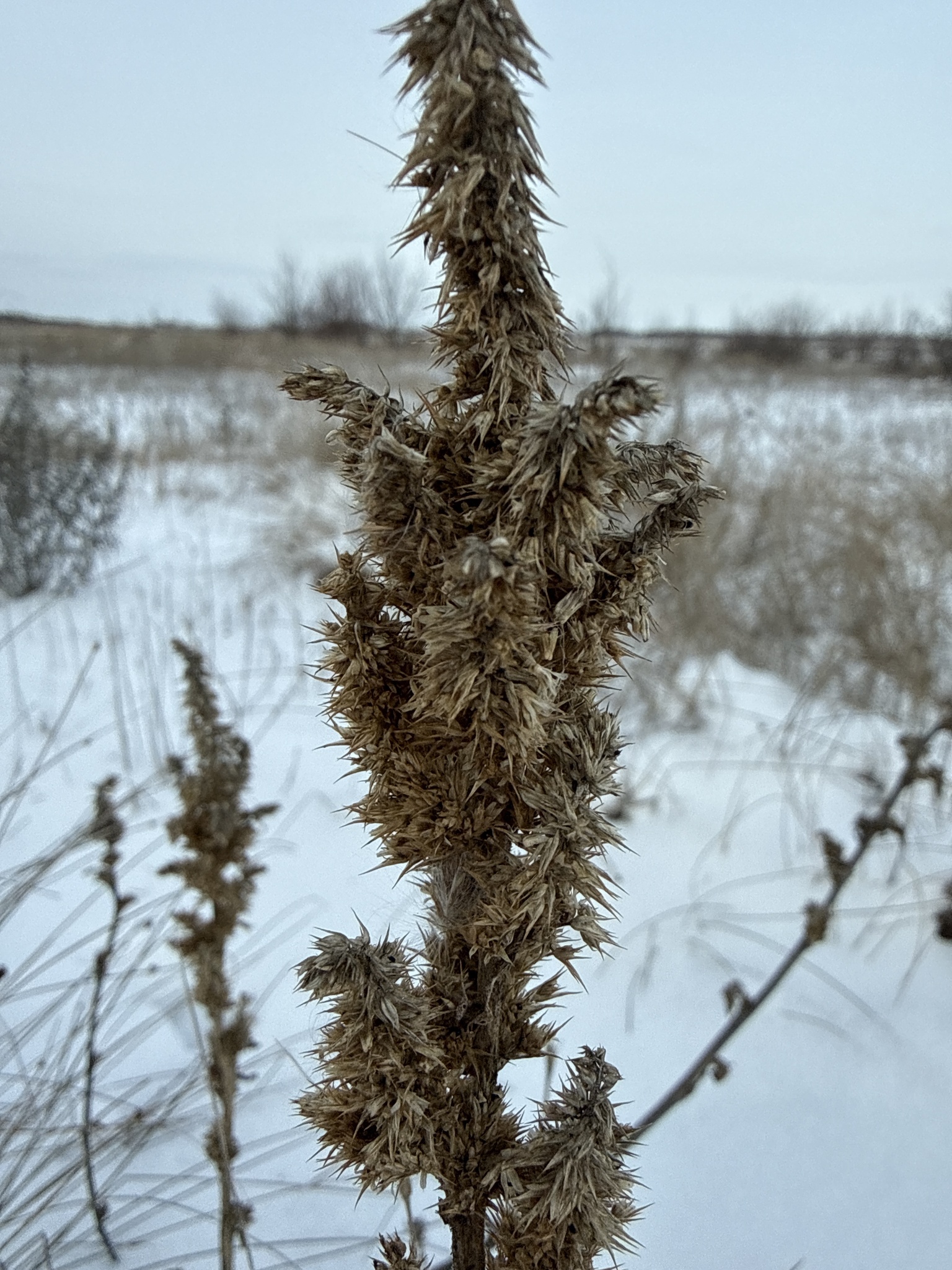
Quick facts
- Family: Amaranthaceae
- Difficulty: Easy to care for
- Watering: every 4 days
- Light: Partial shade
- Temperature: 10–30 °C
- Toxicity: Toxic to pets
About Redroot pigweed
Amaranthus retroflexus, commonly known as redroot pigweed or common amaranth, is a robust annual herbaceous plant, native to North America but now cosmopolitan. It is characterized by its reddish stems, oval green leaves, and dense, green or reddish terminal flower spikes, giving it a wild and rustic appearance. Although often considered a 'weed', its young leaves are edible and it can be an interesting addition to naturalistic or permaculture gardens.
Native range
Temperate North America
Care tips
It prefers full sun exposure for optimal growth and good seed production. This plant is not very demanding regarding watering, tolerating periods of drought once established, but appreciates moderate watering in very dry climates. It adapts to a wide range of soils, although it prefers well-drained and fertile ones. The most common mistake is treating it as a delicate plant; its rustic nature means it tolerates adverse conditions and can become invasive if allowed to self-seed freely.
How to save a dying Redroot pigweed
- Warning signs
- Wilted and limp leaves, generalized yellowing, stunted growth.
- First aid
- Replant to a better-draining spot, ensure regular watering without waterlogging.
- What kills it
- Excess humidity and waterlogging that rots the roots.
- Can it be saved?
- Yes, if quick action is taken to remove excess water and improve soil.