Amaranthus sclerantoides
Care, watering, light and tips for Amaranthus sclerantoides on Floravia.
Quick facts
- Family: Amaranthaceae
- Difficulty: Easy to care for
- Watering: every 7 days
- Light: Partial shade
- Temperature: 10–30 °C
- Toxicity: Toxic to pets
About Amaranthus sclerantoides
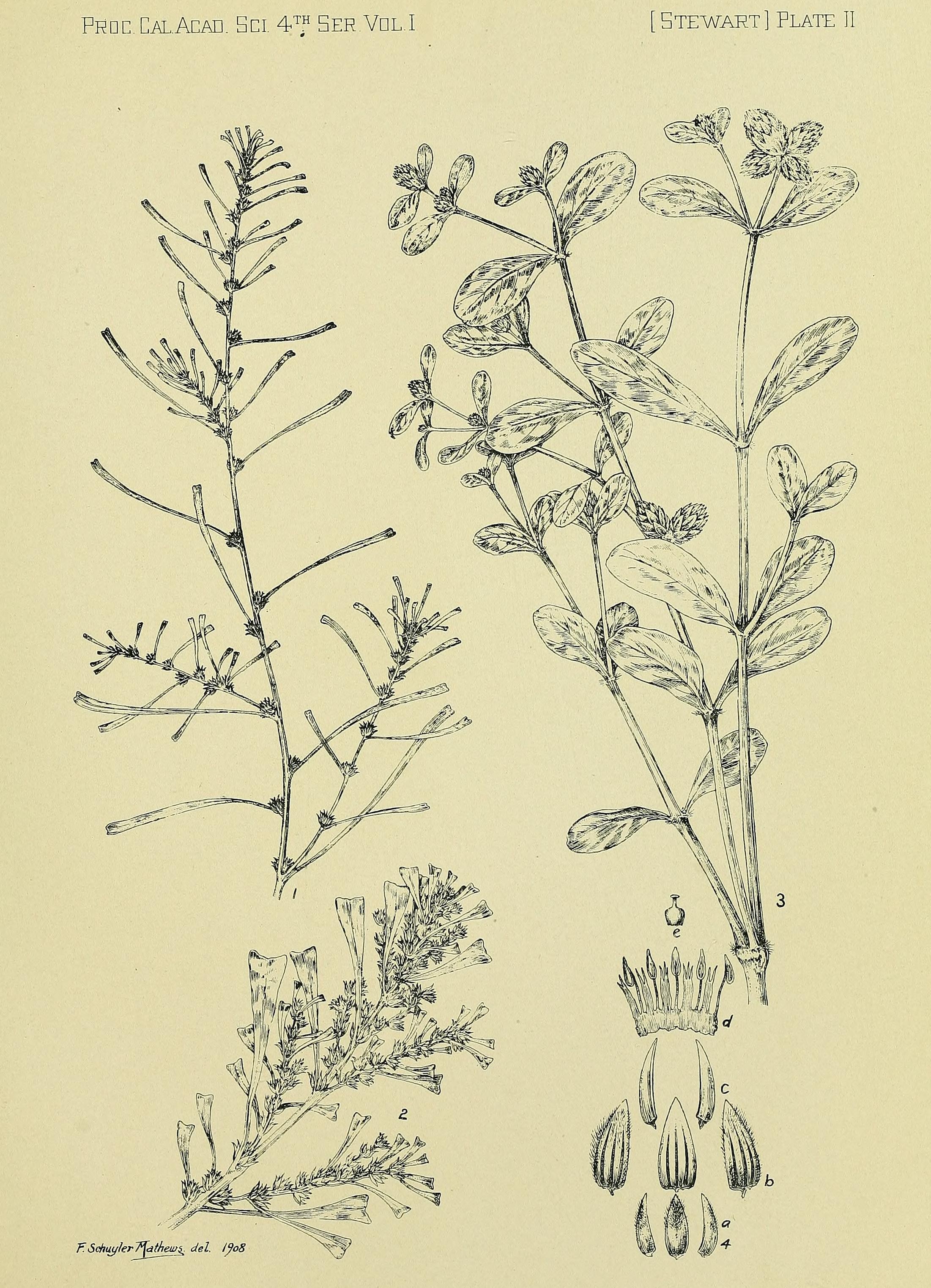
Amaranthus sclerantoides is a species of amaranth native to the Galápagos Islands, known for its dense foliage and prostrate or creeping growth habit, forming clumps that can reach up to 30 cm in height. Its small, greenish flowers are grouped in discreet inflorescences, and its leaves are lanceolate and bright green. It is an ideal plant for rock gardens, borders, or as ground cover in warm and dry climates, adding a touch of resilience and natural beauty.
Native range
Western Australia
Care tips
This species prefers full sun exposure for optimal growth, although it can tolerate some partial shade in very hot climates. It is a very drought-tolerant plant, so watering should be sparse, allowing the substrate to dry out completely between waterings to prevent waterlogging and root rot. It adapts well to poor, sandy, or stony soils, as long as they have excellent drainage. A common mistake is overwatering, which can be fatal for this species accustomed to arid conditions.
How to save a dying Amaranthus sclerantoides
- Warning signs
- Drooping leaves, soft stems, or general yellowing. If soil is wet, it's overwatering; if dry, underwatering.
- First aid
- Check soil moisture. If waterlogged, aerate and reduce watering. If dry, water thoroughly. Move away from drafts.
- What kills it
- Extreme over or under-watering. Also intense cold or insufficient light. It's sensitive to sudden changes.
- Can it be saved?
- Yes, if you act fast. Observe the main stem; if still firm, there's hope. Remove heavily damaged leaves.