Chenopodium petiolare
Care, watering, light and tips for Chenopodium petiolare on Floravia.
Quick facts
- Family: Amaranthaceae
- Difficulty: Easy to care for
- Watering: every 7 days
- Light: Partial shade
- Temperature: 10–30 °C
- Toxicity: Toxic to pets
About Chenopodium petiolare
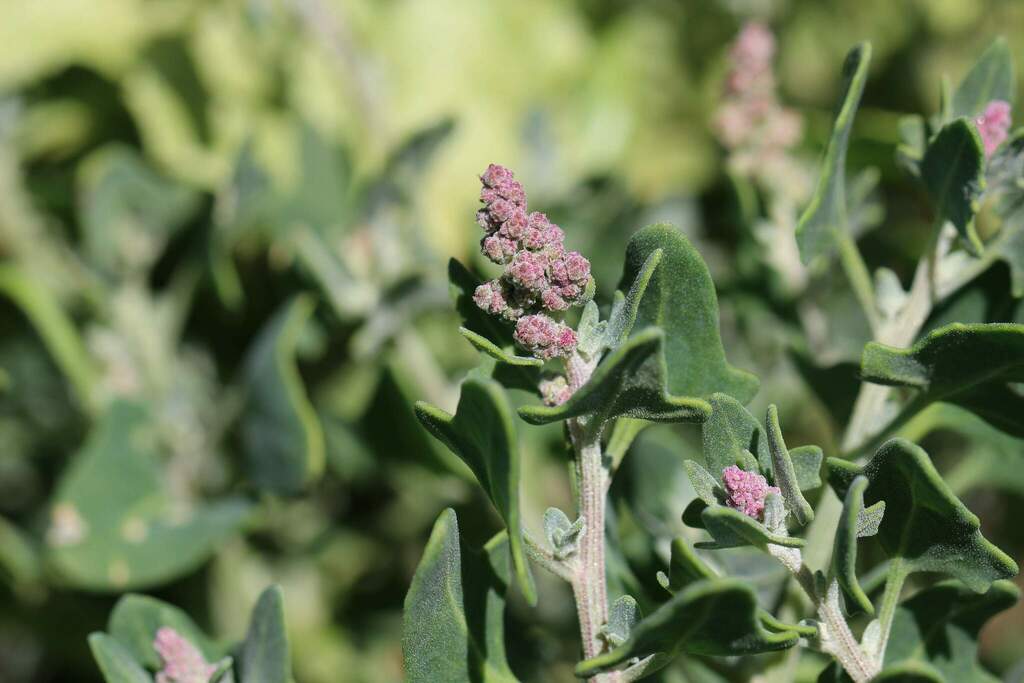
Chenopodium petiolare, commonly known as Black Quinoa, is an annual herbaceous plant from the Amaranthaceae family, valued for its nutritious seeds and ornamental foliage. It features upright stems and dark green, lobed leaves, sometimes with reddish or purplish hues, making it attractive in low-maintenance vegetable gardens or landscapes. It's an excellent choice for Andean grain cultivation or as a border plant in permaculture designs.
Native range
Andes of South America (mainly Peru, Bolivia, Ecuador, and Colombia)
Care tips
It thrives in full sun for optimal growth and good seed production, though it tolerates light partial shade. It requires moderate watering, allowing the substrate to dry slightly between waterings; it is susceptible to waterlogging, which can lead to root rot. The ideal soil is well-drained, sandy or loamy, with a neutral to slightly alkaline pH. Avoid excessive nitrogen fertilization, as it may promote foliar growth at the expense of seed production.
How to save a dying Chenopodium petiolare
- Warning signs
- Yellowish or reddish, wilted leaves, slow or no growth, soft stems.
- First aid
- Check soil moisture. If dry, water thoroughly. If waterlogged, aerate and reduce watering. Ensure good indirect sunlight.
- What kills it
- Overwatering (causes root rot) or extreme lack of light. Also intense cold.
- Can it be saved?
- Yes, if roots are not completely rotted and stem remains firm. Act quickly.