Nettle-leaved goosefoot (Chenopodiastrum murale)
Care, watering, light and tips for Nettle-leaved goosefoot on Floravia.
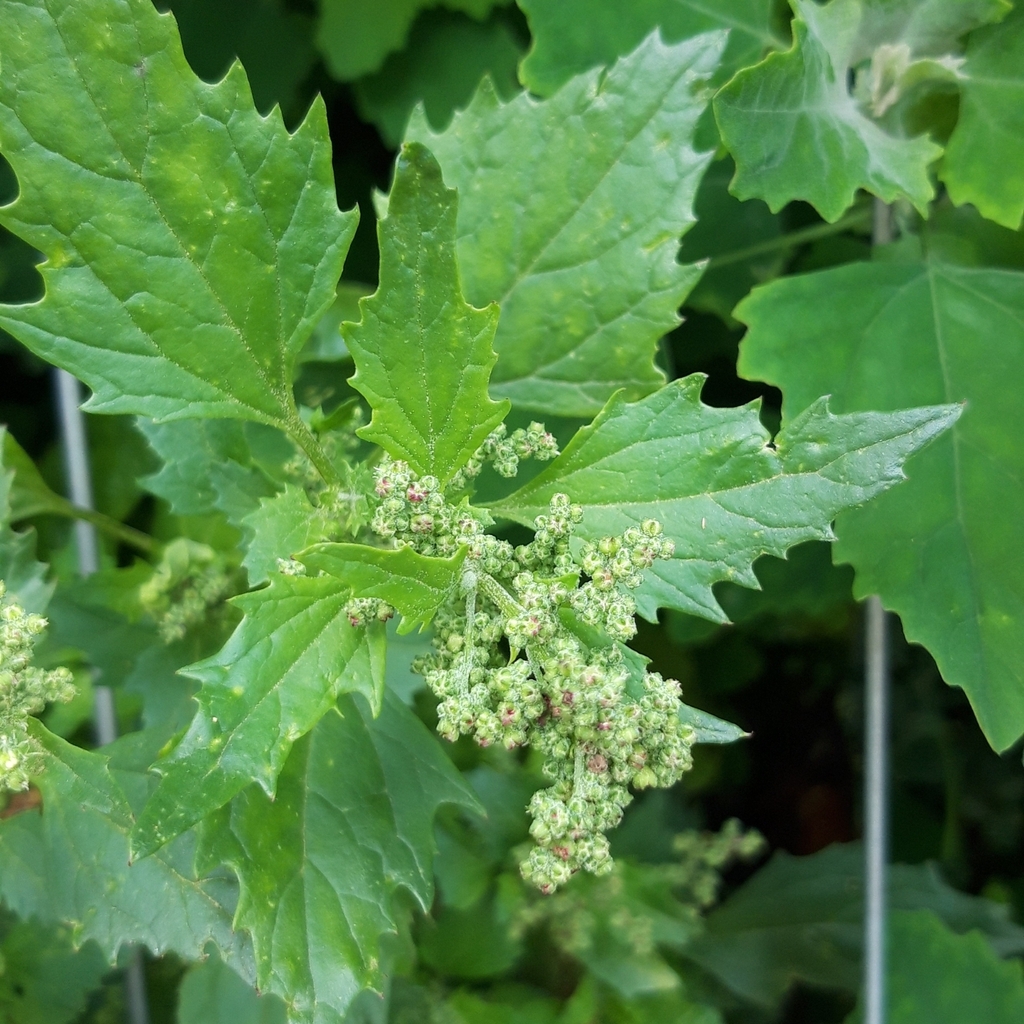
Quick facts
- Family: Amaranthaceae
- Difficulty: Easy to care for
- Watering: every 7 days
- Light: Partial shade
- Temperature: 10–30 °C
- Toxicity: Toxic to pets
About Nettle-leaved goosefoot
Chenopodiastrum murale, commonly known as nettle-leaved goosefoot or wall goosefoot, is an annual plant belonging to the Amaranthaceae family, characterized by its triangular-rhomboid leaves with toothed margins. Its herbaceous and often branched habit makes it suitable for wild gardens or as ground cover in undemanding areas. Although often considered a 'weed', its resilience and adaptability make it interesting for low-maintenance landscapes or to add a rustic touch.
Native range
Europe, North Africa, and Western Asia.
Care tips
This species thrives in full sun or partial shade, adapting to a wide range of light conditions. It prefers well-drained soils, although it is quite tolerant of different substrate types, even poor or compacted ones. Watering should be moderate, allowing the substrate to dry out slightly between waterings, as it is quite drought-tolerant once established. A common mistake is overwatering, which can lead to root rot in poorly drained soils.
How to save a dying Nettle-leaved goosefoot
- Warning signs
- Wilted, yellowing, or spotted leaves, stunted growth, weak stems.
- First aid
- Check soil moisture; if dry, water deeply. If waterlogged, repot to well-draining soil.
- What kills it
- Overwatering causing root rot, or prolonged drought. Also, poor competition with other plants.
- Can it be saved?
- Yes, if roots aren't completely rotted or dried. Act fast to adjust watering and improve drainage.