Purple amaranth (Amaranthus blitum)
Care, watering, light and tips for Purple amaranth on Floravia.
Quick facts
- Family: Amaranthaceae
- Difficulty: Easy to care for
- Watering: every 3 days
- Light: Partial shade
- Temperature: 10–30 °C
- Toxicity: Toxic to pets
About Purple amaranth
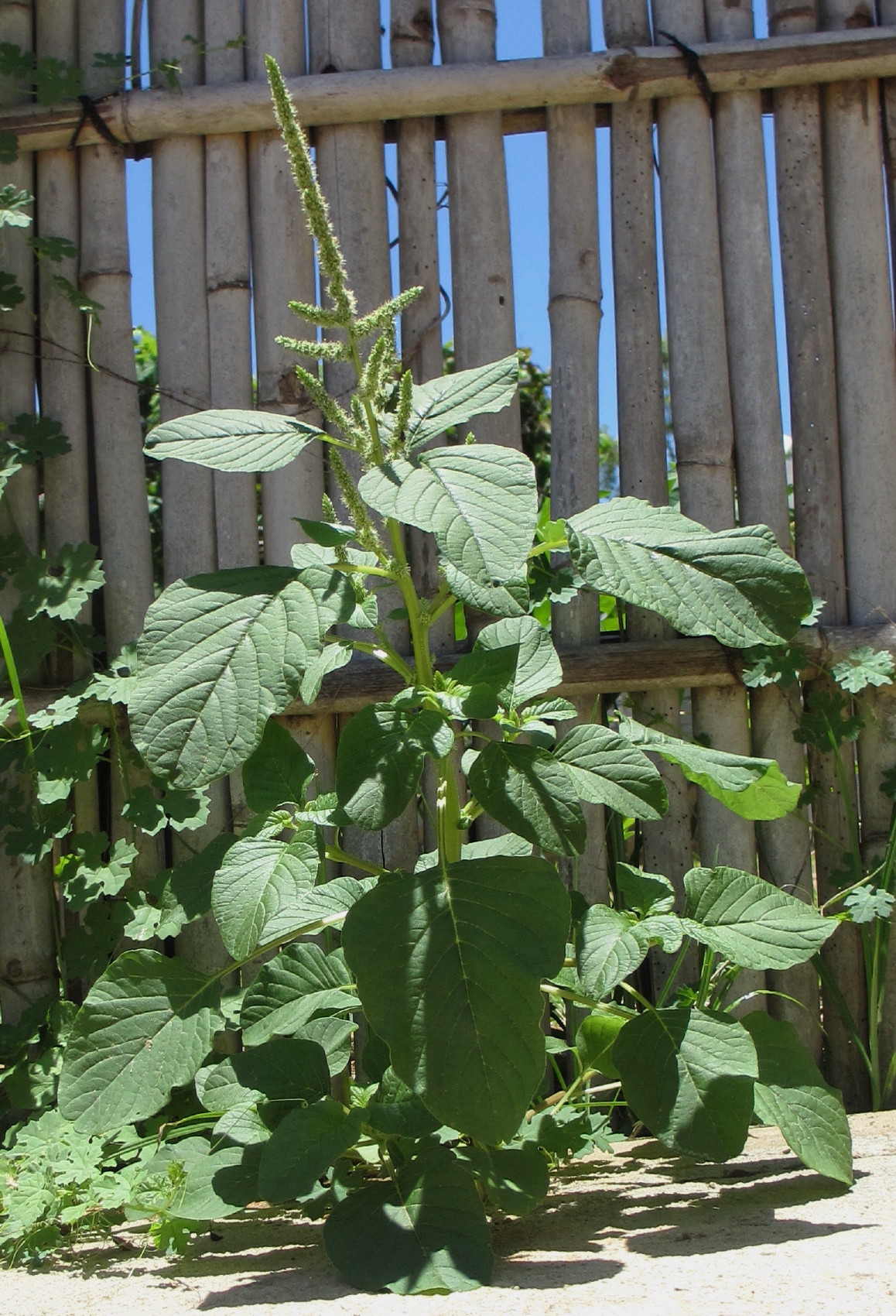
Amaranthus blitum, commonly known as blite or leafy amaranth, is a fast-growing annual plant, prized for its edible leaves and resilience. It features oval to lance-shaped leaves, often bright green, and can reach a height of up to 60 cm. It is ideal for urban gardens, pots, and as a ground cover in edible landscapes, adding a touch of vibrant greenery and a nutritious harvest.
Native range
Europe, Africa and Asia
Care tips
It requires full sun for optimal growth and good leaf production, although it tolerates light partial shade. Watering should be regular, keeping the substrate moist but not waterlogged, especially during dry periods. It prefers well-drained soils, rich in organic matter, and with a slightly acidic to neutral pH. A common mistake is not harvesting the leaves regularly, which can slow down growth and production; frequent harvesting stimulates the emergence of new leaves.
How to save a dying Purple amaranth
- Warning signs
- Drooping, yellowing or spotted leaves, stunted growth, soft stems.
- First aid
- Check drainage and soil moisture; if waterlogged, repot into dry soil. If dry, water deeply.
- What kills it
- Overwatering causing root rot or extreme lack of water during hot, dry spells.
- Can it be saved?
- Yes, it often recovers if watering issues are corrected promptly and it gets adequate light.