Chard (Beta vulgaris)
Care, watering, light and tips for Chard on Floravia.
Quick facts
- Family: Amaranthaceae
- Difficulty: Easy to care for
- Watering: every 3 days
- Light: Partial shade
- Temperature: 10–30 °C
About Chard
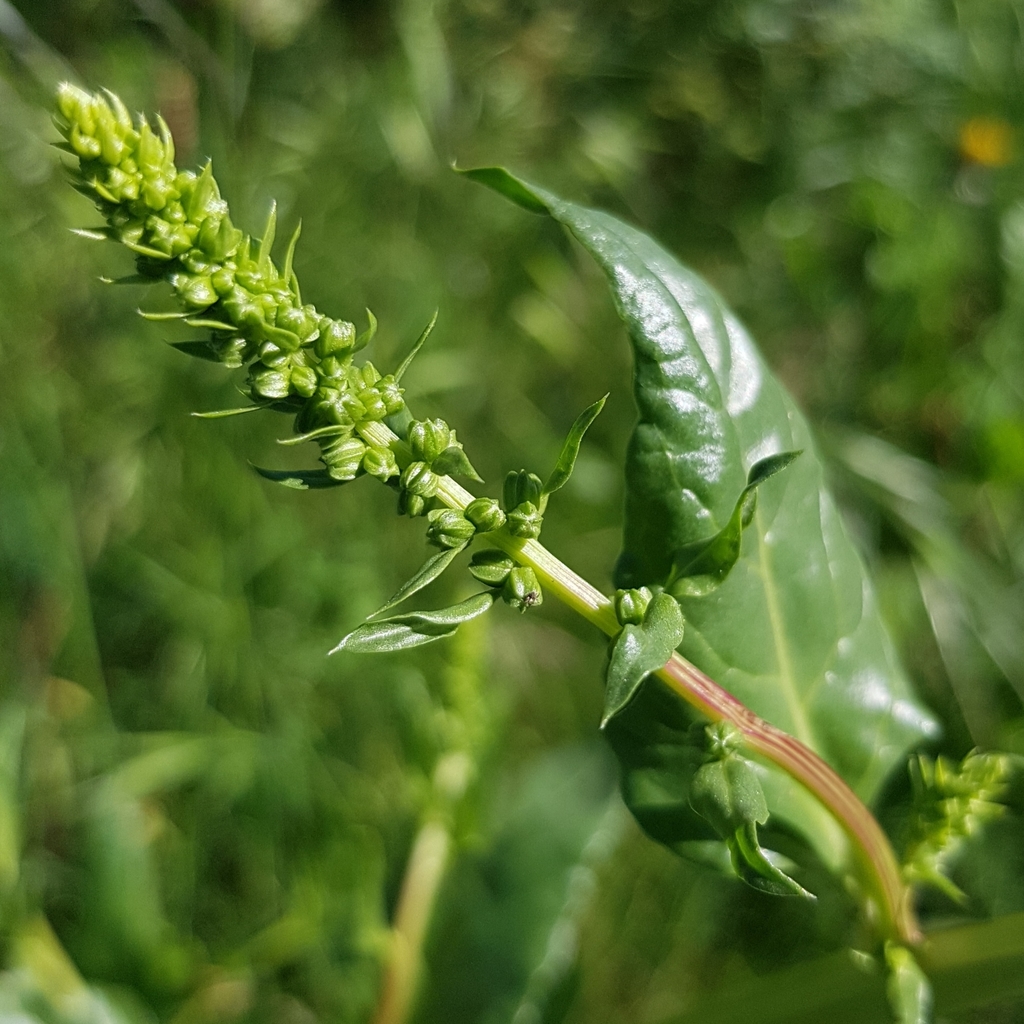
Beta vulgaris, commonly known as beetroot or garden beet, is a biennial herbaceous plant cultivated for its edible taproot and leaves. It features large, fleshy leaves emerging from a deep red, purple, or even golden bulbous root, offering a vibrant contrast in any vegetable garden or edible landscape. It's ideal for home gardens, vegetable beds, or even large pots due to its ornamental and culinary value.
Native range
Mediterranean region of Europe and North Africa
Care tips
Beetroot prefers full sun to partial shade and deep, fertile, well-draining soil. Keep the substrate consistently moist, especially during root formation, avoiding waterlogging which can cause rot. Sow seeds directly into the ground in early spring or autumn, and avoid transplanting seedlings as this can affect root development. A common mistake is not thinning the seedlings, resulting in small, crowded roots.
How to save a dying Chard
- Warning signs
- Yellowish or pale leaves, slow or stunted growth, general wilting.
- First aid
- Check soil moisture; if dry, water deeply. If potted, consider repotting to a larger one.
- What kills it
- Inconsistent watering (over/under), poor soil lacking nutrients, insufficient direct sunlight.
- Can it be saved?
- Yes, it often recovers well with prompt adjustments to watering, nutrition, and sun exposure.