Spiny cocklebur (Xanthium spinosum)
Care, watering, light and tips for Spiny cocklebur on Floravia.
Quick facts
- Family: Asteraceae
- Difficulty: Easy to care for
- Watering: every 3 days
- Light: Full sun
- Temperature: 0–35 °C
- Toxicity: Toxic to pets
About Spiny cocklebur
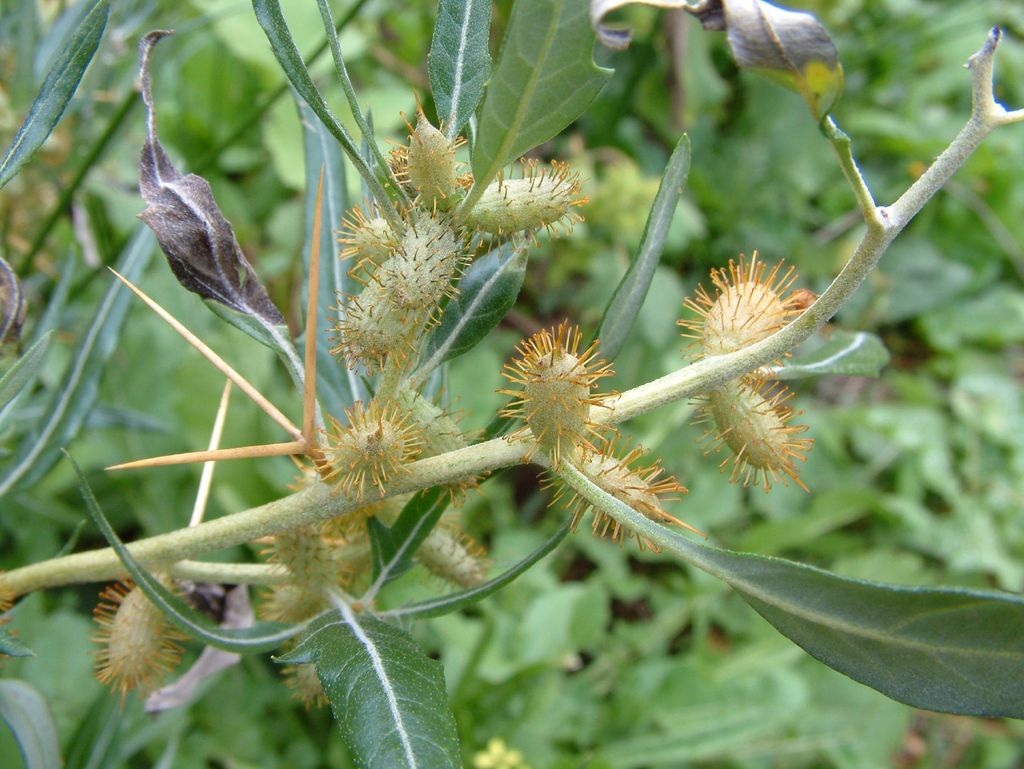
Xanthium spinosum, commonly known as spiny cocklebur, is an annual herbaceous plant belonging to the Asteraceae family, characterized by its spiny stems and hooked fruits. While often considered a weed in agricultural settings, its hardiness and unique morphology can add a rustic, wild touch to low-maintenance gardens or ecological restoration projects. It is distinguished by its small, greenish flowers and lobed leaves, often featuring a yellow spine at the base of each leaf.
Native range
North and South America
Care tips
This plant thrives in full sun and is highly drought-tolerant once established, so watering should be minimal or absent in humid climates. It adapts to a wide range of soils, including poor and disturbed ones, as long as they have good drainage. A common mistake is attempting to grow it in small pots or indoors, as it tends to grow sprawlingly and requires space. Caution should be exercised due to its spines when handling.
How to save a dying Spiny cocklebur
- Warning signs
- Wilting, yellowing, or dark-spotted leaves. Stunted or weak growth. Soft stems.
- First aid
- Replant in better-draining or looser soil. Remove competing weeds. If potted, check roots.
- What kills it
- Excessive moisture or compacted soil suffocating roots. Lack of direct sunlight.
- Can it be saved?
- Yes, if you act quickly. It's a tough plant, but waterlogging is its biggest enemy.