Marsh thistle (Cirsium palustre)
Care, watering, light and tips for Marsh thistle on Floravia.
Quick facts
- Family: Asteraceae
- Difficulty: Moderate care
- Watering: every 3 days
- Light: Full sun
- Temperature: 0–35 °C
About Marsh thistle
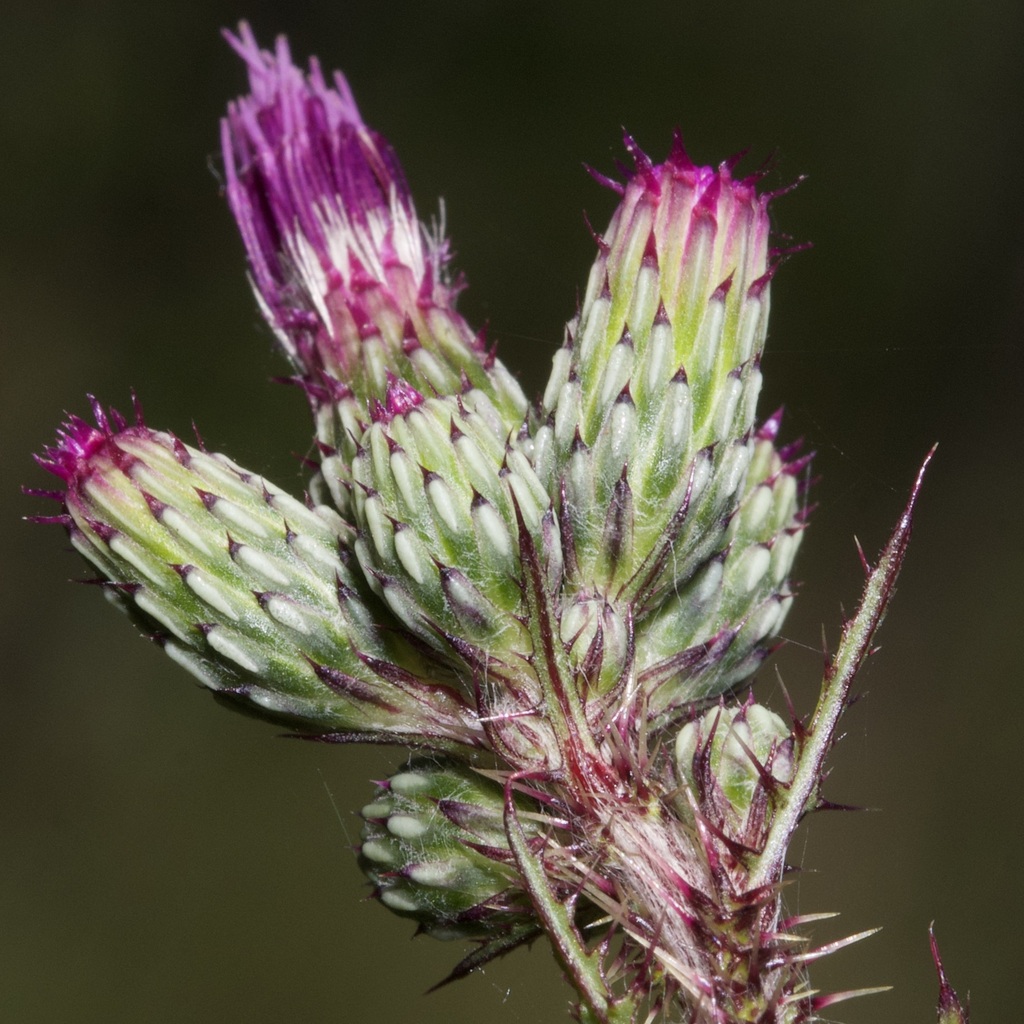
Cirsium palustre, commonly known as marsh thistle, is a biennial or perennial herbaceous plant belonging to the Asteraceae family, native to Europe and North Africa. It is characterized by its spiny stems and deep purple inflorescences, forming dense flower heads at the stem tips. While often considered a weed, it can be an interesting addition to naturalistic gardens or along water margins, where its upright structure and flowers can attract pollinators.
Native range
Europe and Western Asia
Care tips
This plant thrives in full sun exposure and consistently moist to wet soils, as its name suggests its preference for marshy areas. Watering should be constant to keep the substrate always damp, especially during dry periods. It grows well in organic-rich soils with good drainage, though it toler tolerates a wide range of soil conditions. A common mistake to avoid is planting it in dry or poor soils, which will limit its growth and flowering.
How to save a dying Marsh thistle
- Warning signs
- Yellowing or wilting leaves from the base, soft stems, waterlogging.
- First aid
- Remove plant, check roots (cut if soft). Replant in well-draining soil.
- What kills it
- Overwatering and heavy, undrained soils; it does not tolerate prolonged drought.
- Can it be saved?
- Yes, if roots aren't too rotten and drainage/watering are corrected.