Jerusalem artichoke (Helianthus tuberosus)
Care, watering, light and tips for Jerusalem artichoke on Floravia.
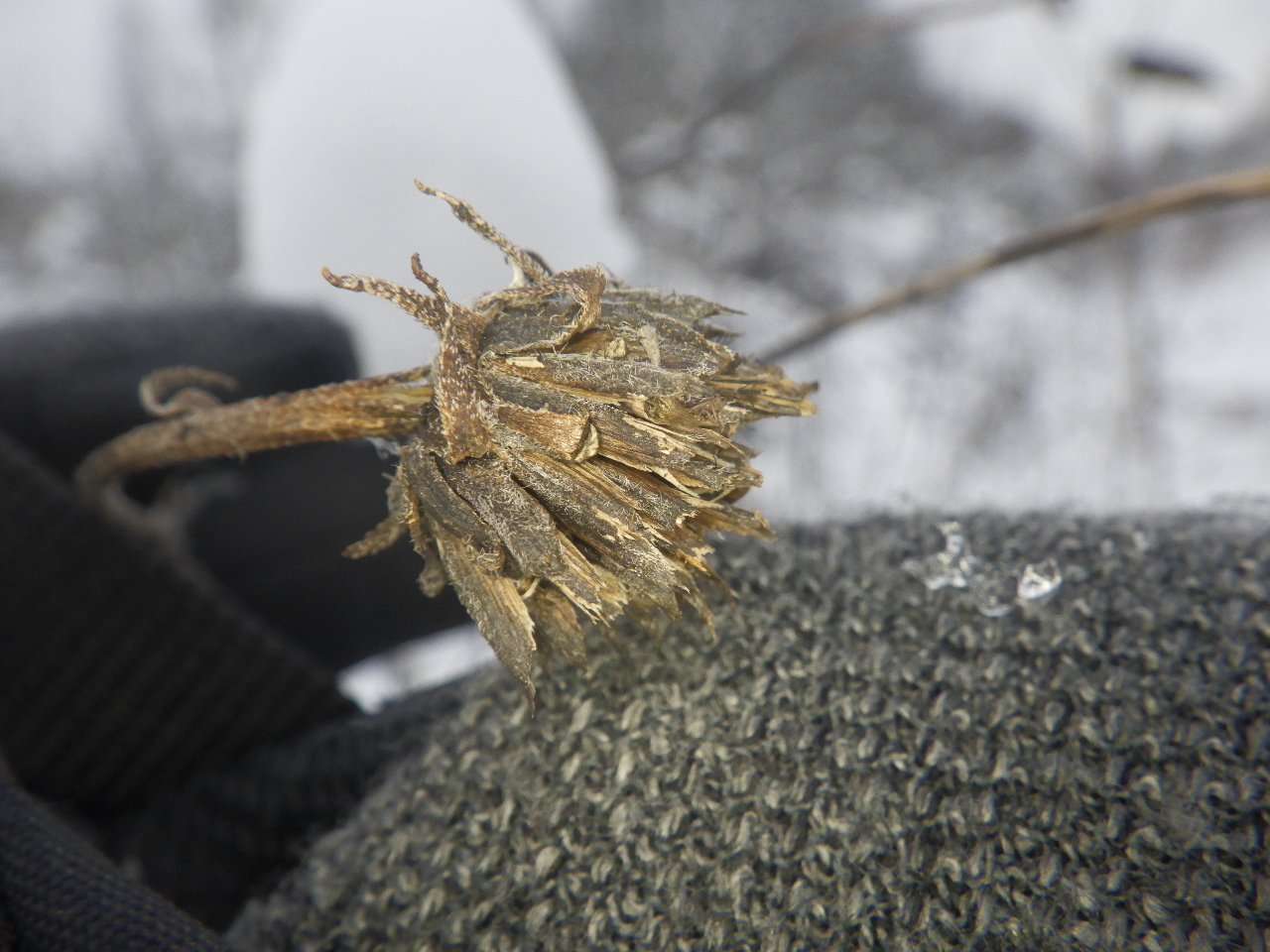
Quick facts
- Family: Asteraceae
- Difficulty: Easy to care for
- Watering: every 3 days
- Light: Full sun
- Temperature: 0–35 °C
About Jerusalem artichoke
Helianthus tuberosus, commonly known as Jerusalem artichoke or sunchoke, is a robust perennial plant belonging to the Asteraceae family, valued for both its sunflower-like yellow blooms and its edible tubers. Its tall, branching stems can reach up to 3 meters in height, forming dense foliage that makes it ideal for creating natural screens or as a backdrop in garden borders. It's an excellent choice for edible gardens or for adding a rustic, wild touch to the landscape.
Native range
North America (United States and Canada)
Care tips
It thrives in full sun for abundant flowering and good tuber development, although it toler tolerates partial shade. The ideal soil is well-drained and fertile, but it is remarkably adaptable to various soil types, even poorer ones. Regular watering is needed during dry spells, especially when tubers are forming, but avoid waterlogging. A common mistake is not controlling its spread; it's a very vigorous plant that can become invasive if not managed, so it's recommended to plant it in an area where its expansion won't be an issue or use underground barriers.
How to save a dying Jerusalem artichoke
- Warning signs
- Yellowing or wilting leaves (lack of water), soft stems (excess water).
- First aid
- Check soil moisture. If dry, water deeply. If waterlogged, aerate soil or repot. Protect from strong winds.
- What kills it
- Prolonged drought or constant waterlogging. They don't tolerate heavy, compacted soils. Need good drainage.
- Can it be saved?
- Yes, if you act quickly. They are resilient but need water and well-drained soil.